Returning from Guatemala was more like a layover than a return home. Thirteen hours after landing in Dallas, I was on a plane to Sacramento. Before Guatemala, I had already made a list of my North California birding targets and researched the locations that I would need to hit.
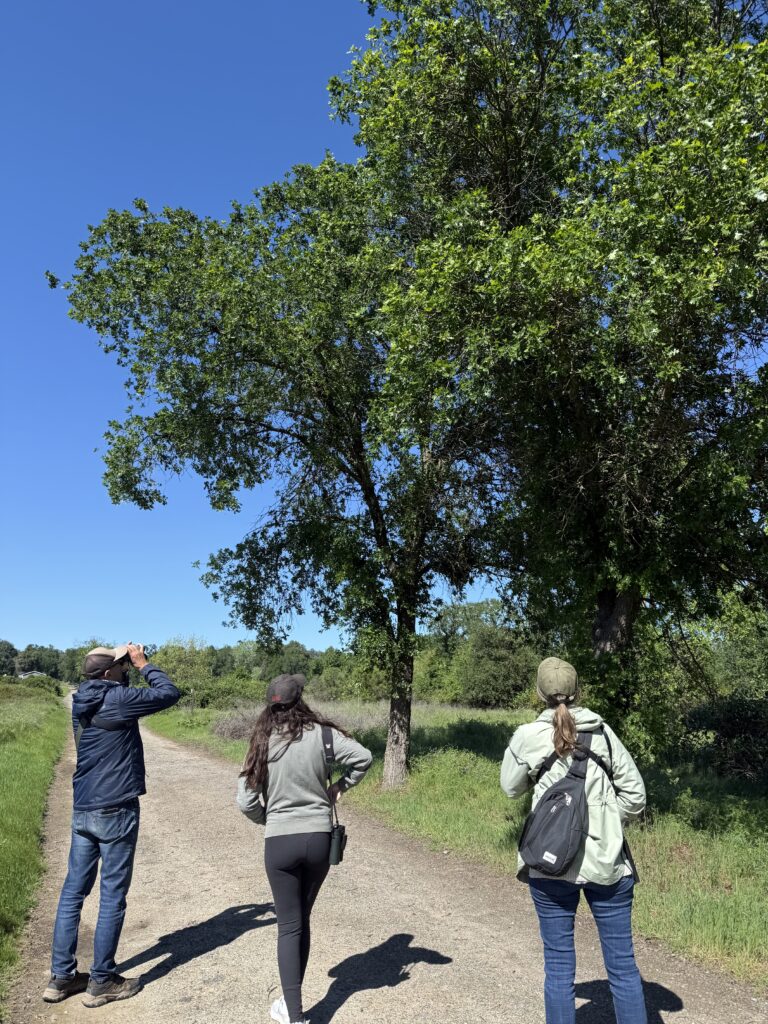
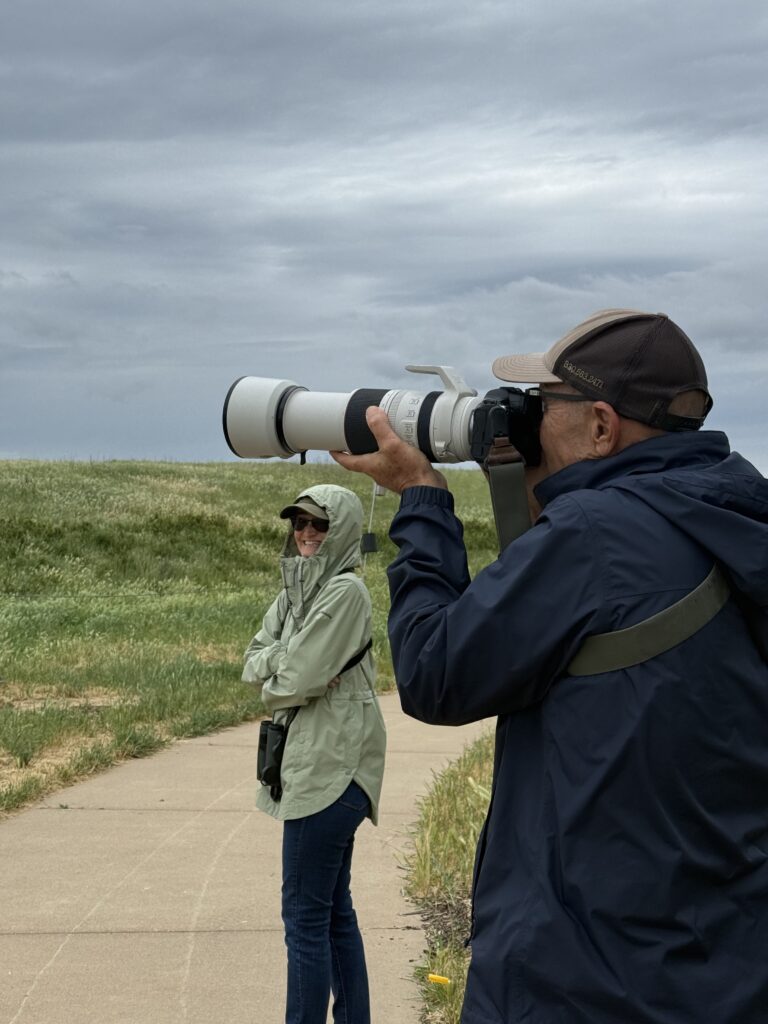
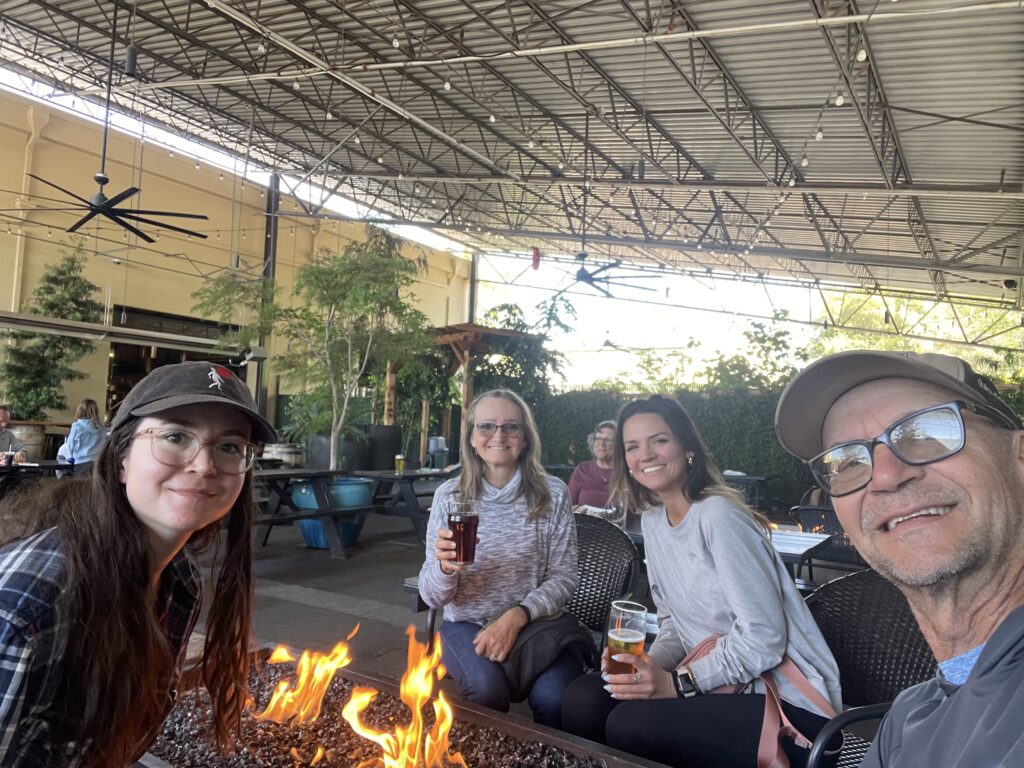
I would be joined by my wife, Mirka, and 50% of my daughters. Angelique and Aleeza would make the trip. Mirka is quickly becoming a more serious and enthusiastic birder. Aleeza is an animal lover but not interested in the listing aspect of birding. Angelique is outdoorsy and an enthusiastic helper in finding the birds and finding the breweries.
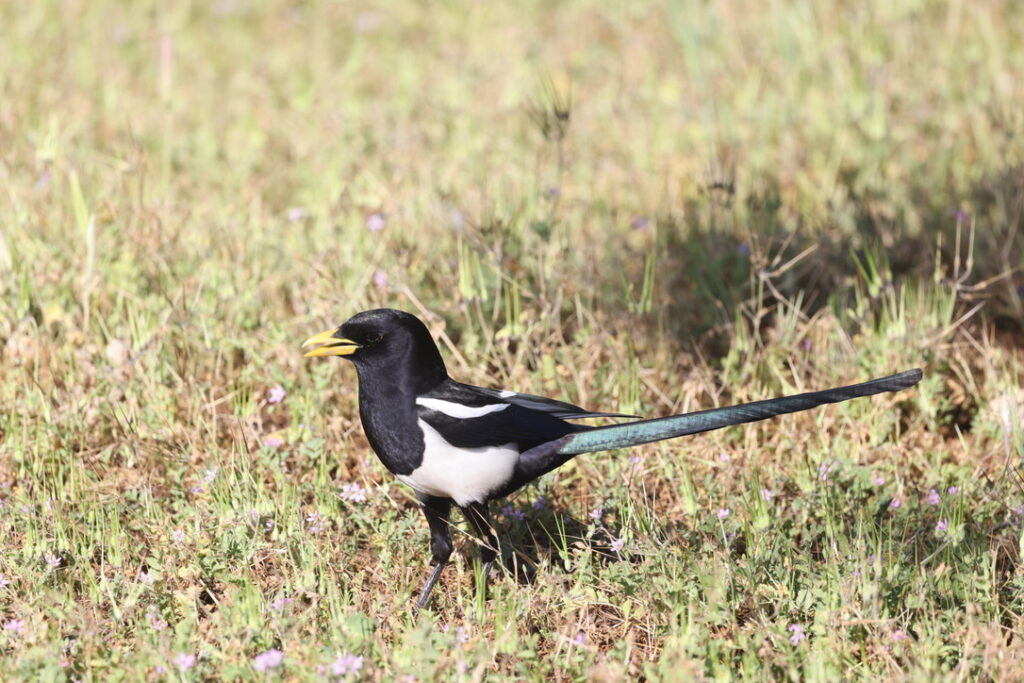
Yellow-billed Magpie
Unsurprisingly the Yellow-billed Magpie differs only in bill and eye-ring color from its close and more widespread relative the Black-billed Magpie. The bird is a true California endemic. It is unique amongst American corvids (crows and jays) in that it builds a large domed nest from sticks that it remodels and reuses every year.
Also, like many corvids it acclimates to humans quite easily, even recognizing individuals.
To get an idea of how magpies can recognize and interact with individuals check out the movie Penguin Bloom. It is sure to leave you in tears.
Yellow-billed Magpie
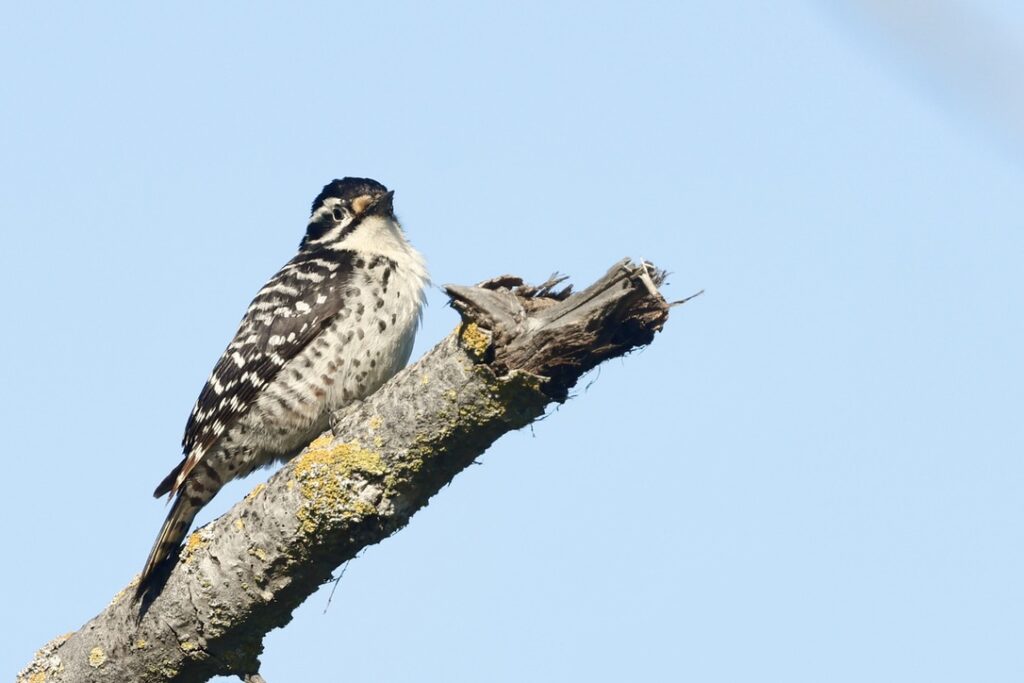
Nuttall's Woodpecker
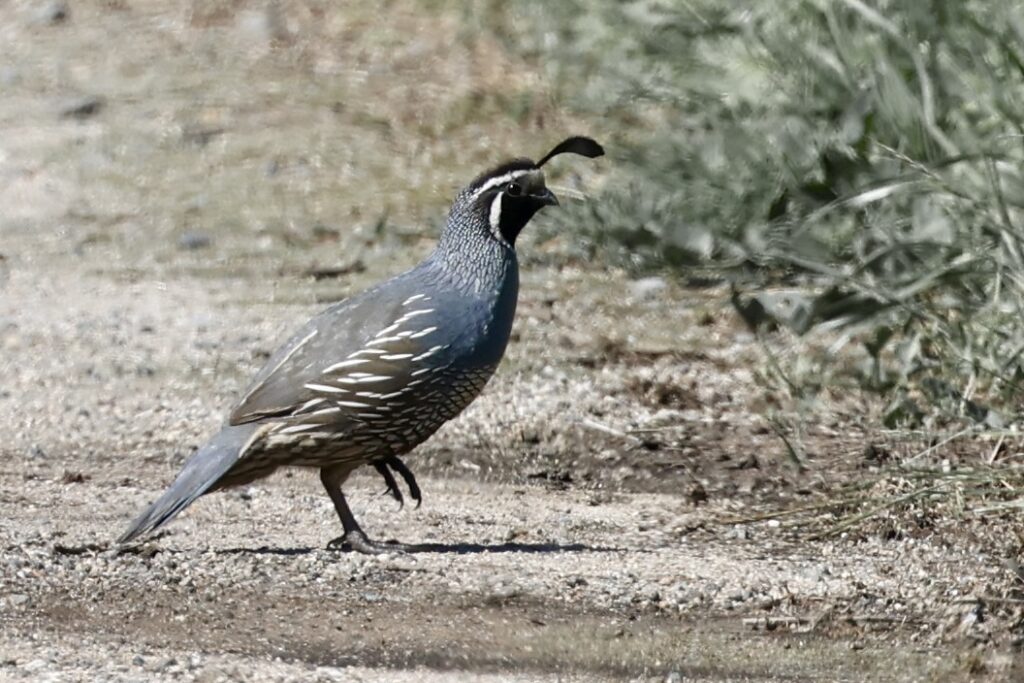
California Quail
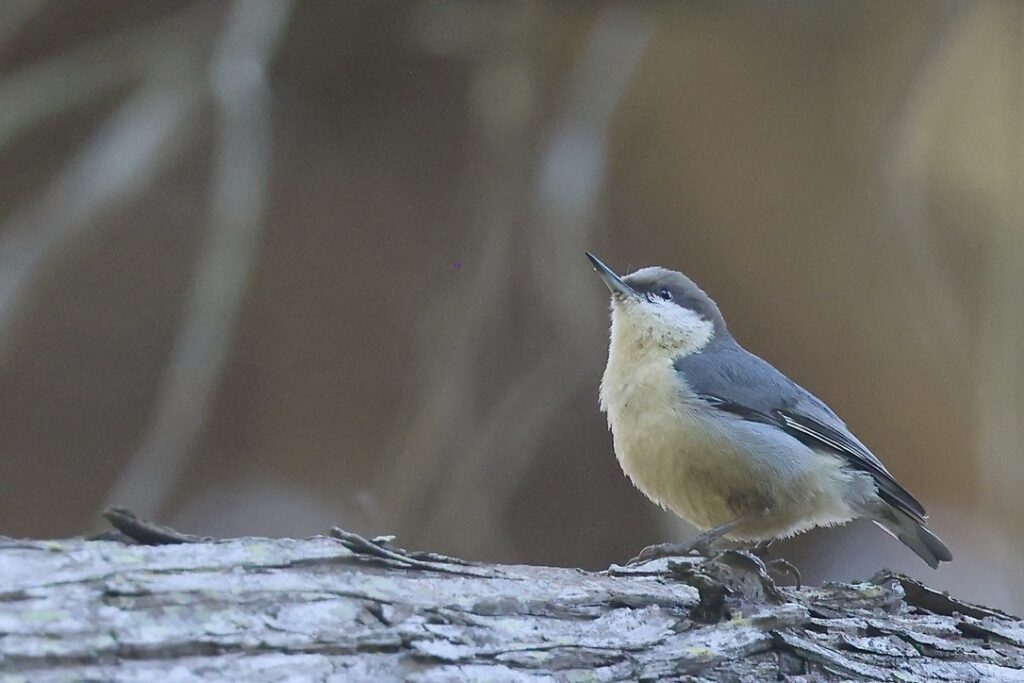
Pygmy Nuthatch
I first saw this bird while driving down a dirt road near Davis after failing on another one of my targets. I would get a much better look a day later at the Gibson Ranch County Park.
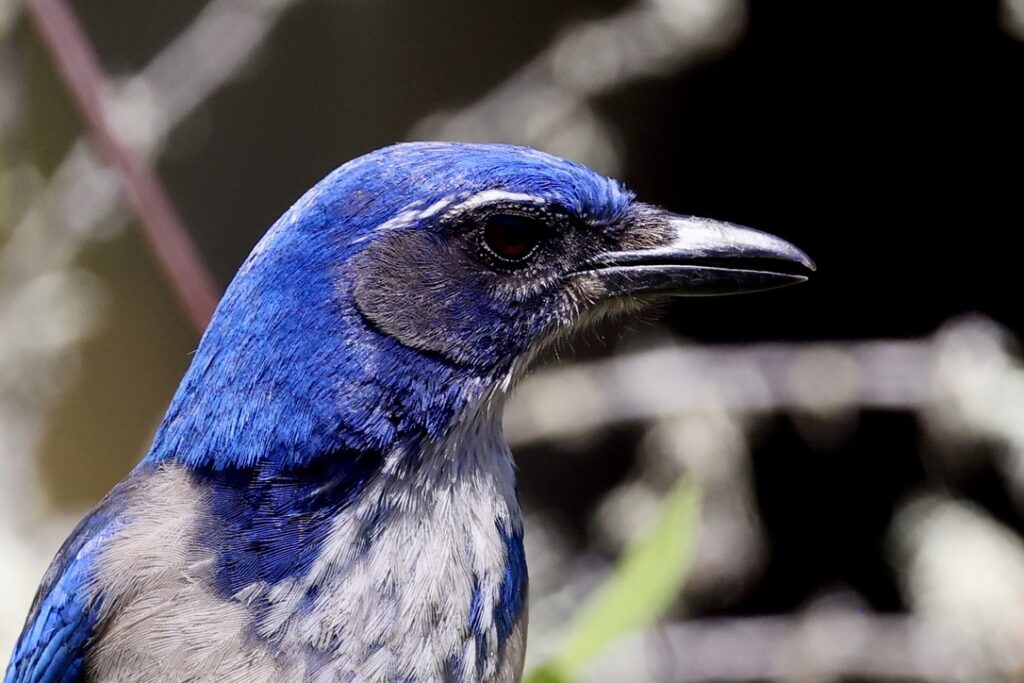
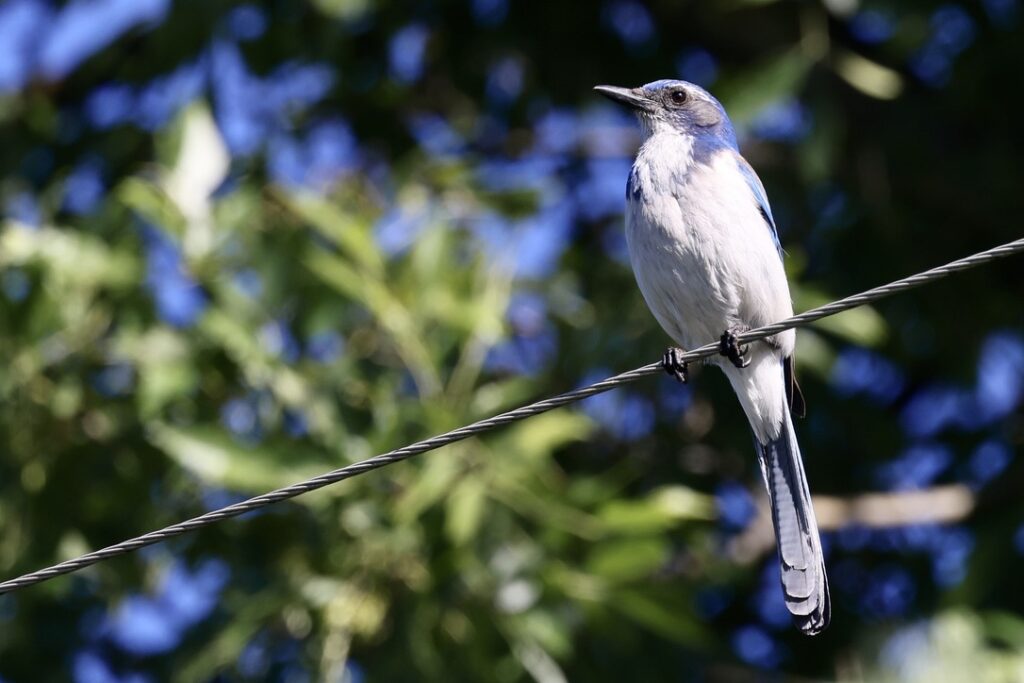
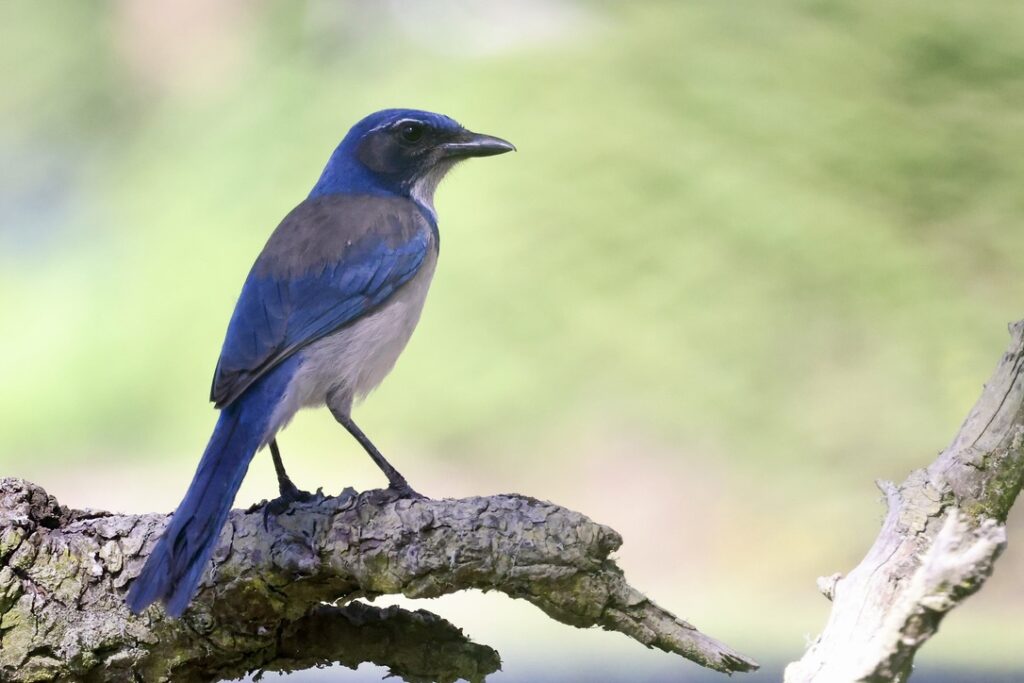
California Scrub-jay
Another corvid. In fact, the California Scrub-jay is one of 5 species in its genus that is resident in the United States: Island, Woodhouse’s, Florida Scrub-jay and Mexican Jay are the others. Not a California endemic, this bird ranges from Vancouver to Cabo San Lucas along the Pacific coast. Its close relative, the Island Scrub-jay, is a California endemic and its entire population can be found on Santa Cruz Island off Ventura. There are less than 2000 individuals. My initial sighting of this bird was also not great, but I would get much better looks a couple of days later in San Francisco.
California Scrub-jay
California Scrub-jay
California Scrub-jay
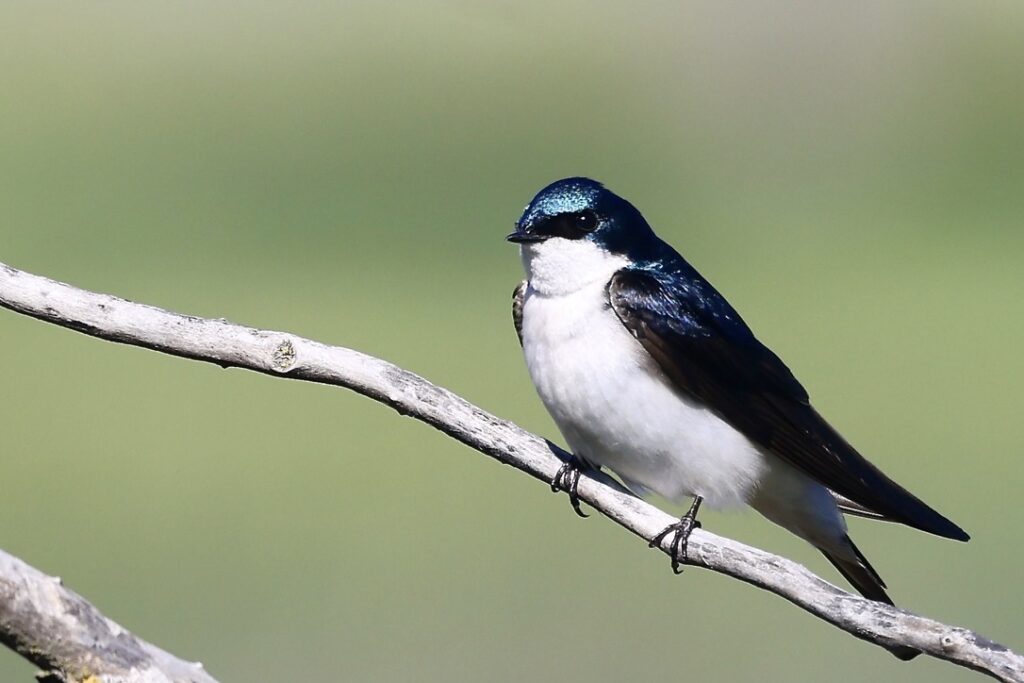
Tree Swallow
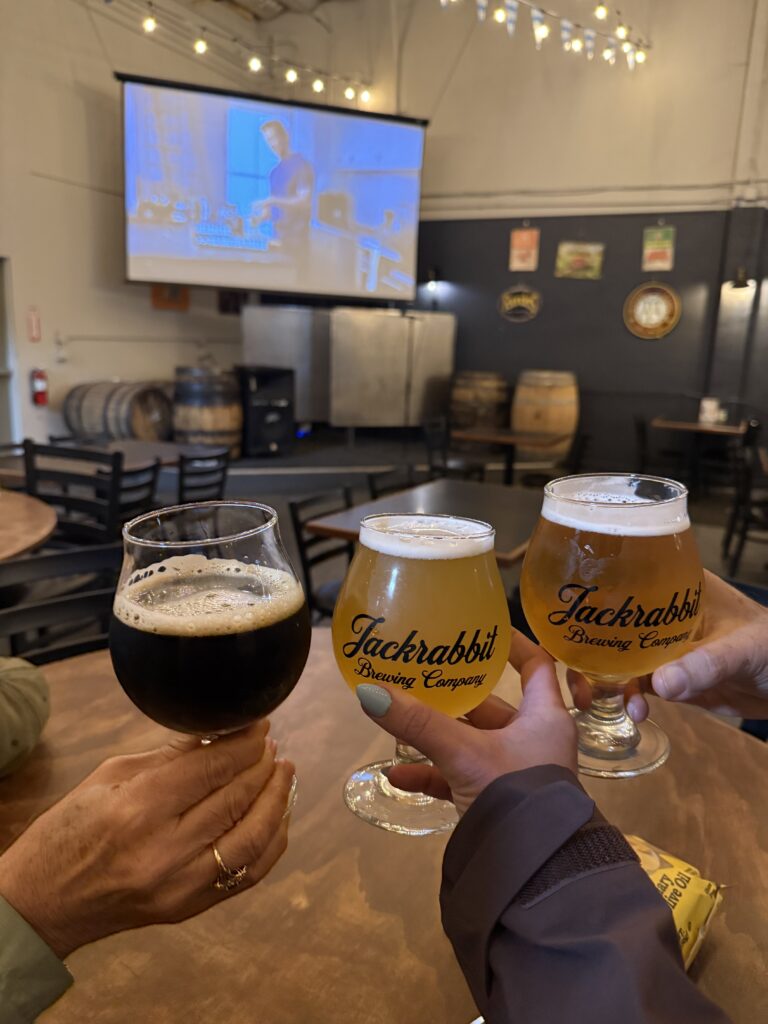
Jackrabbit Brewing - Sacramento
Not sure if this brewery stop was a celebration or trying to forget a ho hum day of birding. Yes, I did have a fly-over Yellow-billed Magpie and a crappy look at California Scrub-jay but this was not satisfying. The Tricolored Blackbird search was a complete failure as we ran around like rabbits to several potential locations for this one.
As I enjoyed my “Catch of the Day” Kolsch, I decided to dive deeper into the eBird checklists to maximize my chances of locating the Tricolored Blackbird. I found a spot where the counts were 100+ and the sightings frequent. It was not an eBird designated hot spot.
Tricolored Blackbird
The Tricolored Blackbird is quite similar to the Red-winged Blackbird. To understand Tricolored Blackbird (which is a near California endemic) you must understand the far more common Red-winged Blackbird.
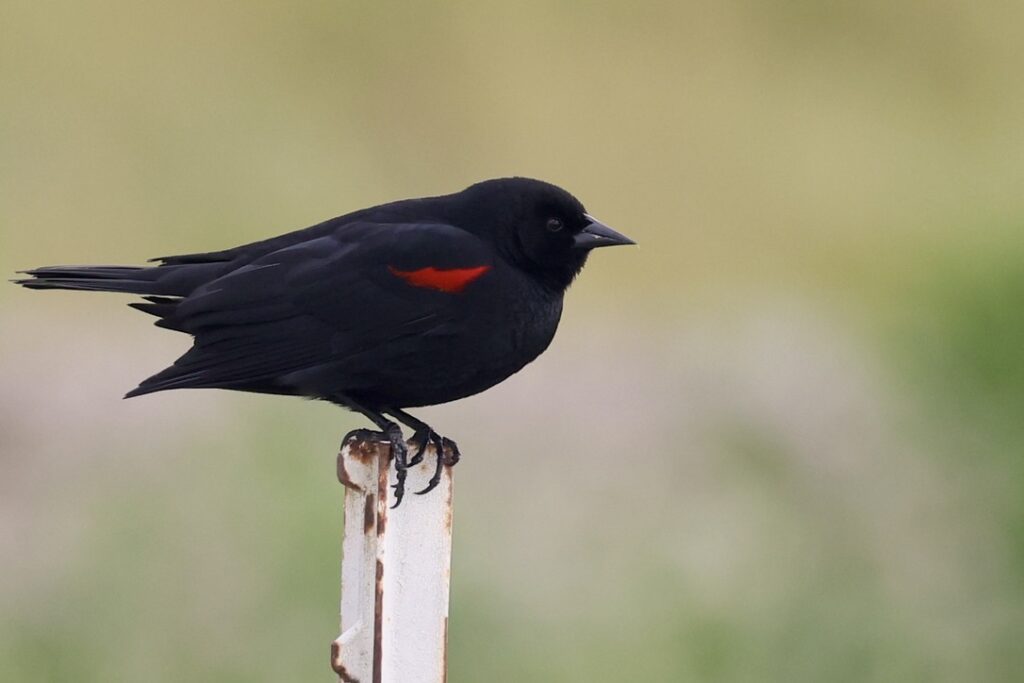
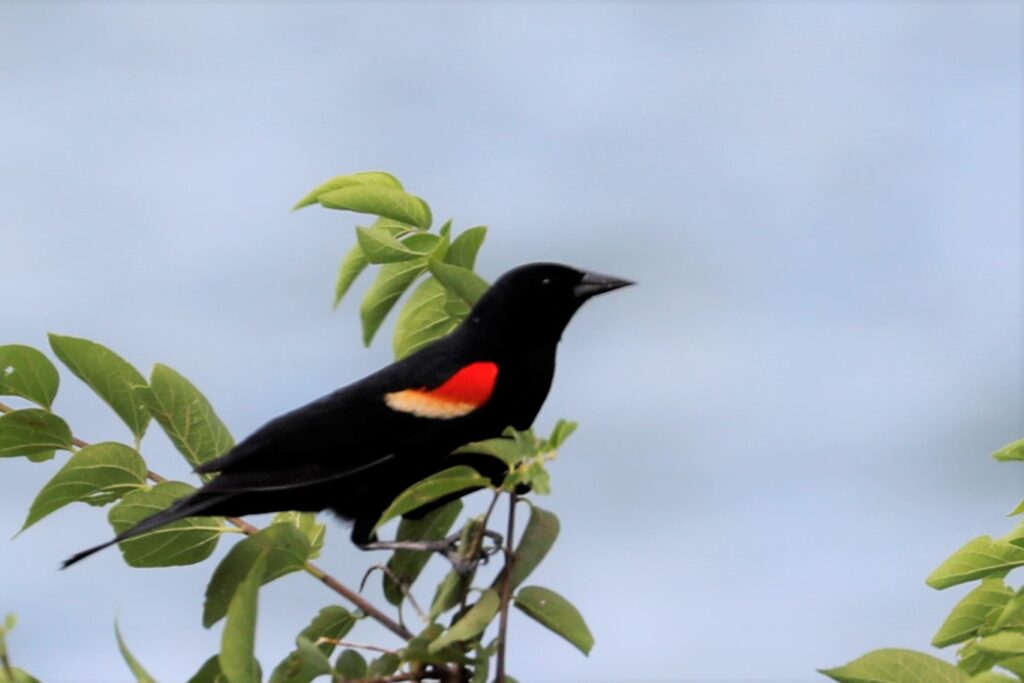
There are multiple subspecies of Red-winged Blackbirds. They can be divided into two groups, the Red-winged Group which has a large red wing patch with a lower border of yellow to orange and the Bicolored Group which does not have a border under the red wing patch. In California there are both bicolored group birds and red-winged group birds. The sub-species of red-winged group birds tend to have a border that is closer to the orange color.
Red-winged Blackbird (bicolored group)
Red-winged Blackbird (Red-winged Group)
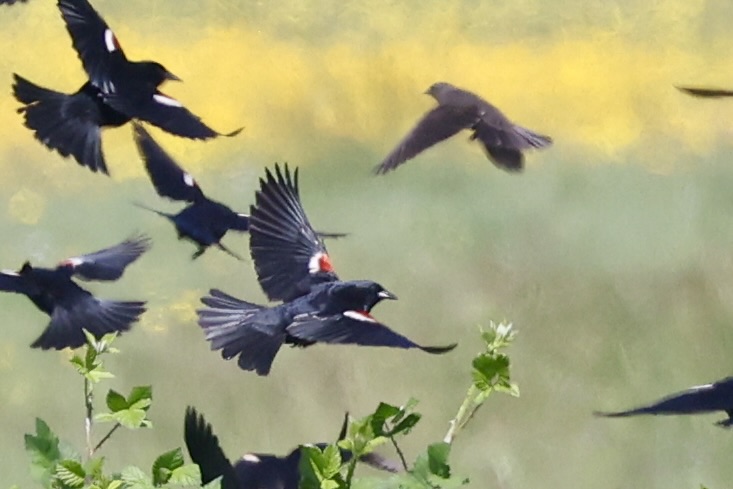
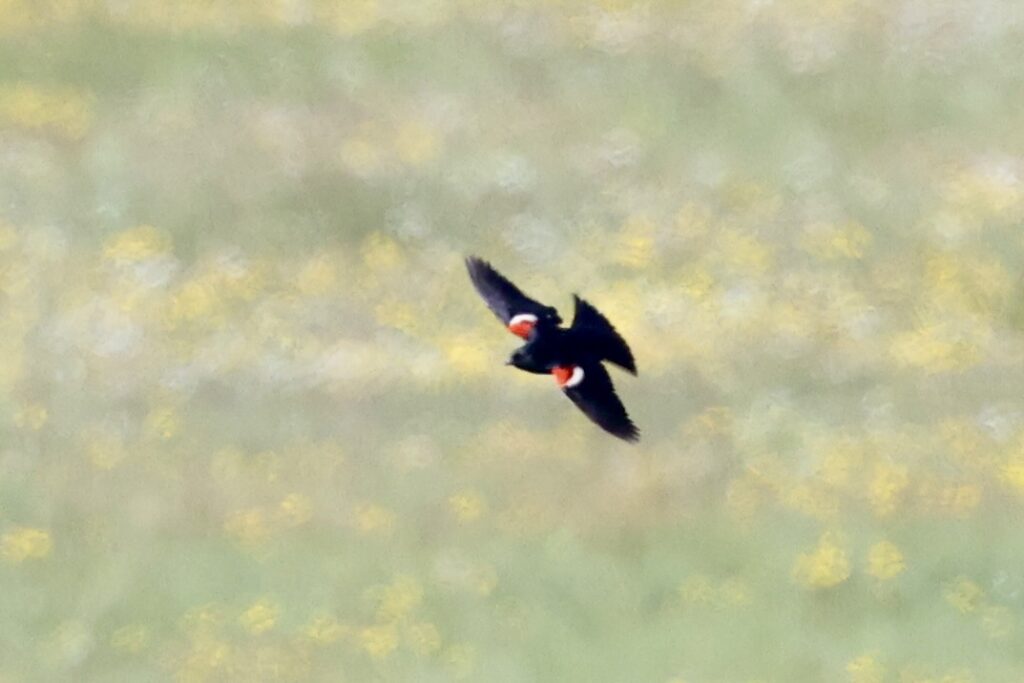
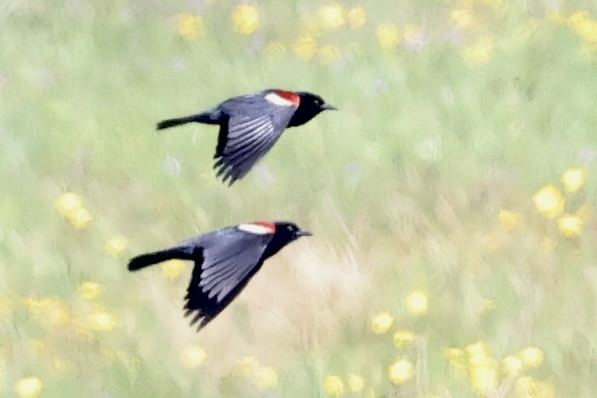
Why is this important? Because the Tricolored Blackbird is virtually indistinguishable from a Red-winged Blackbird except for the border color. The Tricolored Blackbird’s border to its red wing patch is close to white. I bit off-white but noticeably different from the almost orange border or lack of border in the California Red-winged Blackbird population. Mostly this difference can only be observed in flight (the bird’s flight, of course.).
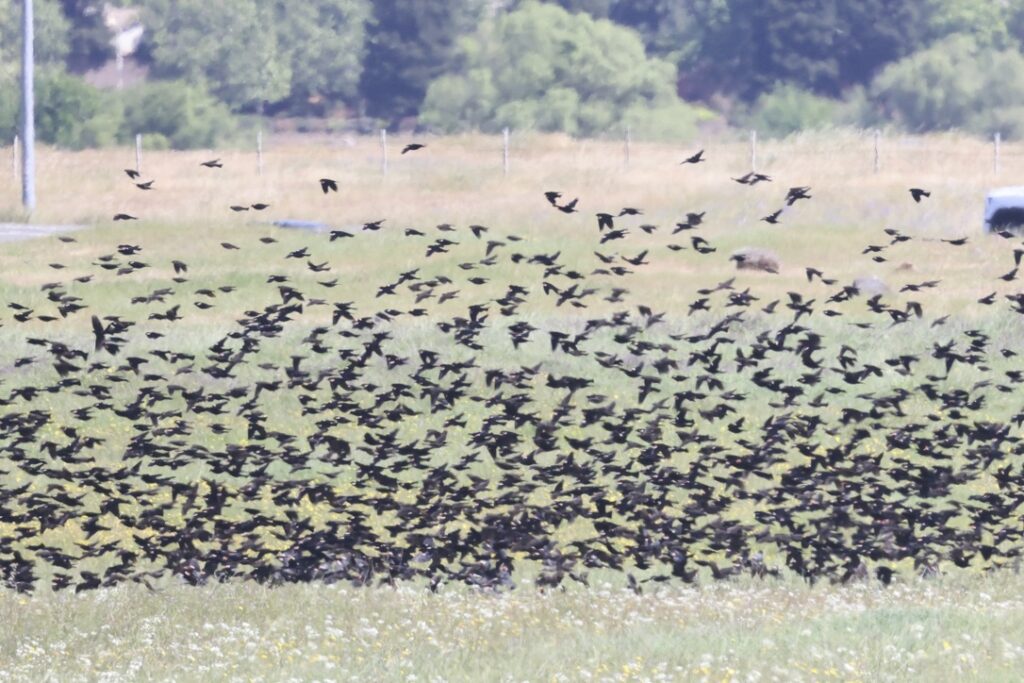
With the intelligence gathered at Jackrabbit Brewing, I headed straight to the busy 6-lane highway’s offramp, walked a couple hundred yards on the shoulder of the busy off-ramp and started observing the birds, by the hundreds. They were like swarms of starlings in and out of the marsh brush where they were nesting. Good research can save a lot of time.
Tricolored Blackbird
Tricolored Blackbird
Tricolored Blackbird
Tricolored Blackbird
Alaro Brewing – Sacramento
Following the great success of the Tricolored Blackbird, there was definite reason for celebration. We opted for a Mediterranean themed Restaurant/Brewery. I opted for a pint of Boheme, their Czech Style pilsner.
Everyone’s food was great, but mine. For some reason, I could not get the freshly caught and prepared sardines that I ate in a Tapa Bar in Spain a couple of years earlier out of my mind. On the menu was a can of sardines imported from Spain. I went for it. Sadly, it tasted about like a $3 can of Great Value sardines from Walmart with a price five times higher. I felt foolish. But I got the Tricolored Blackbird so who cares!
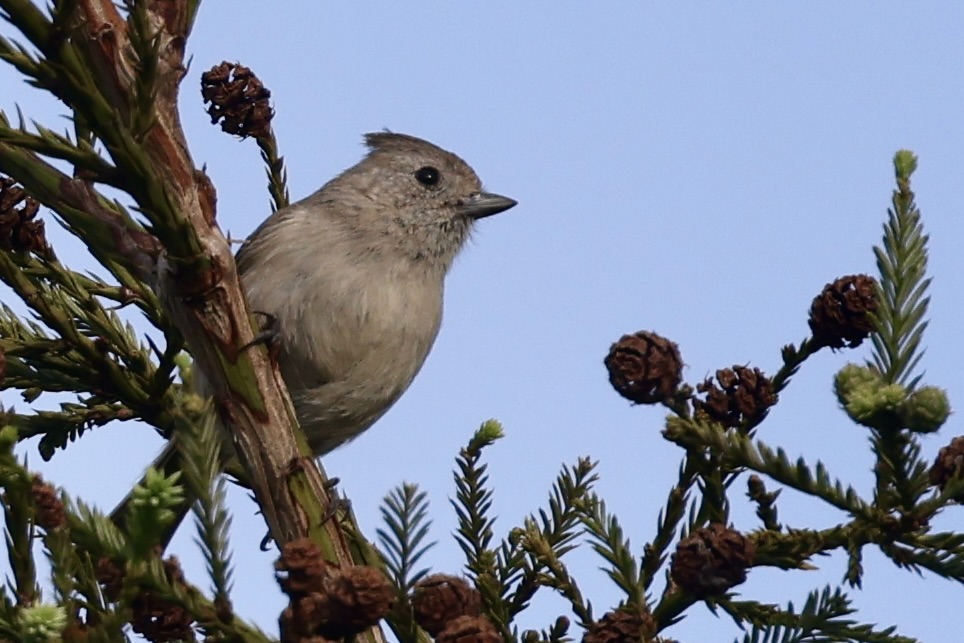
Oak Titmouse
Perhaps the most widespread and common of my targets, this little bugger caused me lots of difficulty. Not in finding it but in getting good looks.
Oak Titmouse
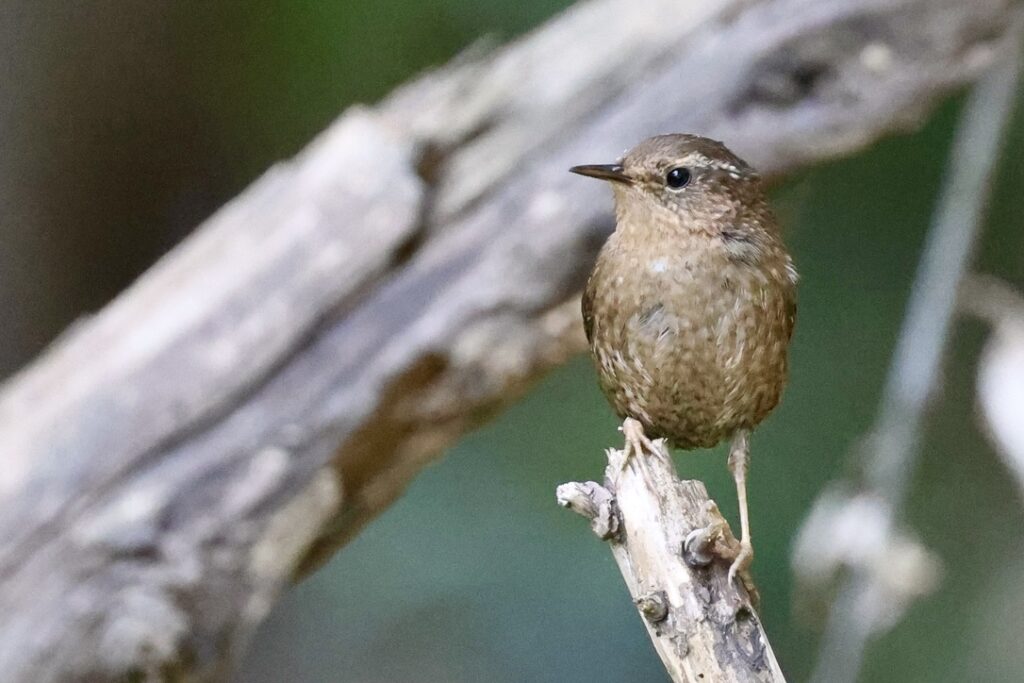
Pacific Wren
The Oak and Juniper Titmouse used to be the same species, Plain Titmouse. They were split in 1996 and in my opinion received quite an upgrade in their name. Who wants to be a plain anything?
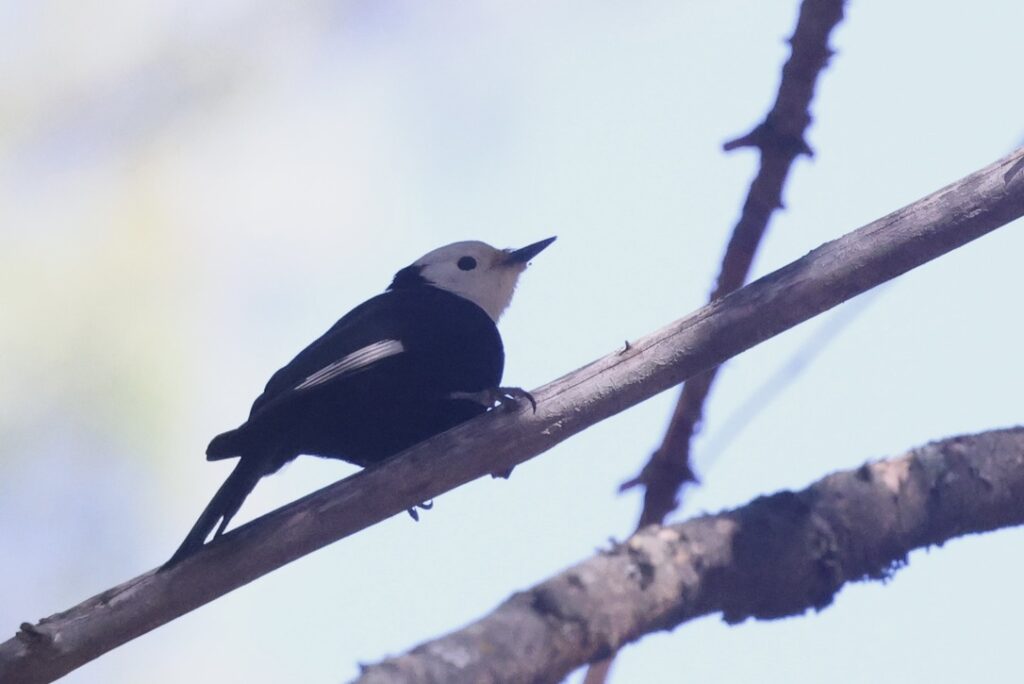
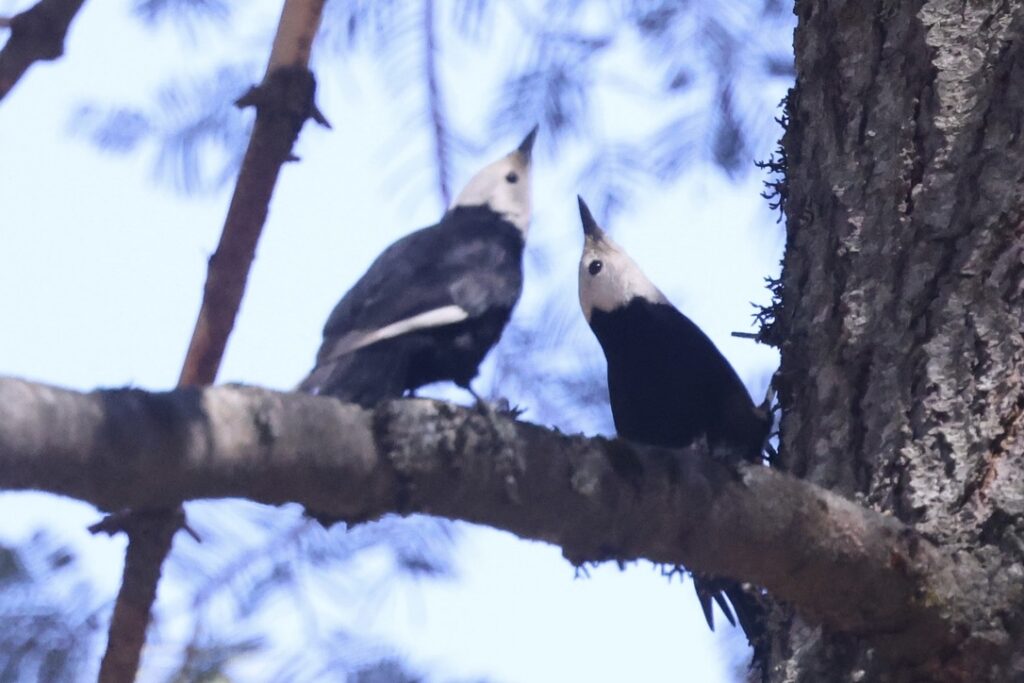
White-headed Woodpecker
Not originally on my list of targets, this bird was popping up regularly at a location northwest of Sacramento in Placer County. We all agreed that this looked like a nice drive into the mountains that is the habitat of this bird. To get to the Big Tree Grove picnic area turned out to be both scenic and a bit exciting due to the narrow mountain road that took us deep into the forest.
Arriving at the picnic area we began our search. It did not take long to find a pair displaying courtship behavior.
Unlike most woodpeckers, this species does not excavate bark from trees to find insects. Its diet consists almost entirely of pine nuts.
Moonraker Brewing – Auburn
Finding the woodpecker felt like a bonus and deserving of a little personal recognition. Our willingness to take a beautiful drive in the mountains and hike some very scenic forest trails deserved a toast. That toast would be made with a “Straight Up Nelson” West Coast IPA.
The setting of the brewery in the little mountain town of Auburn matched very well with the woodpecker’s natural habitat.
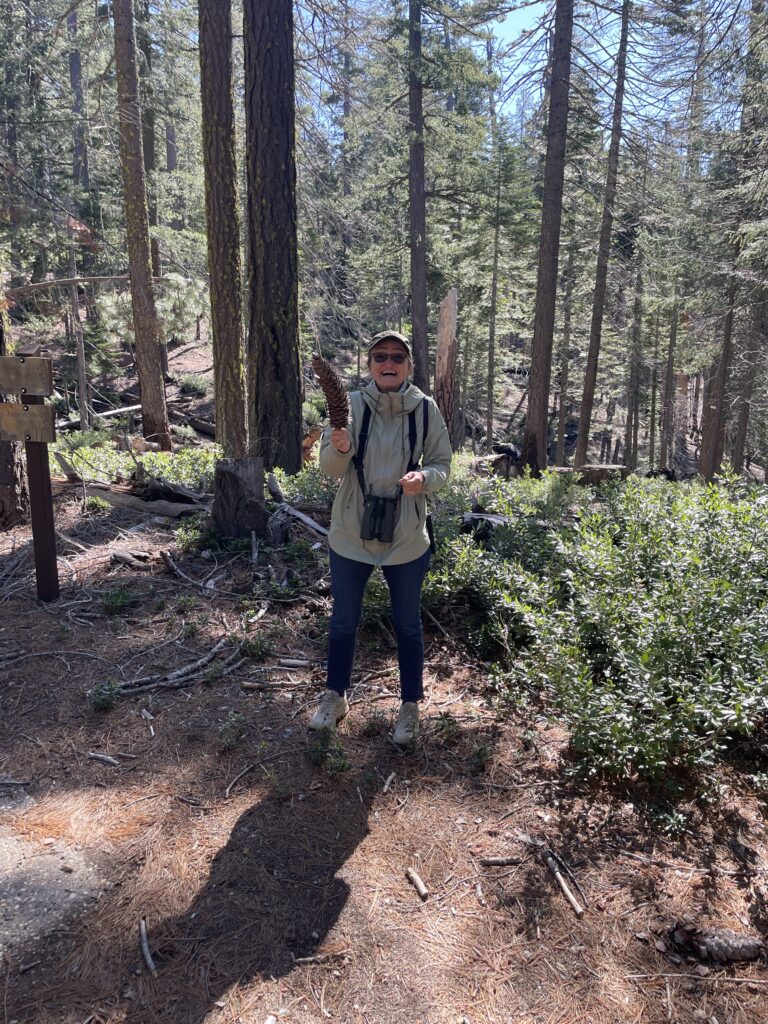
Mirka facinated by the Cone
Remember the Great Kit Kat heist, found them in Auburn.
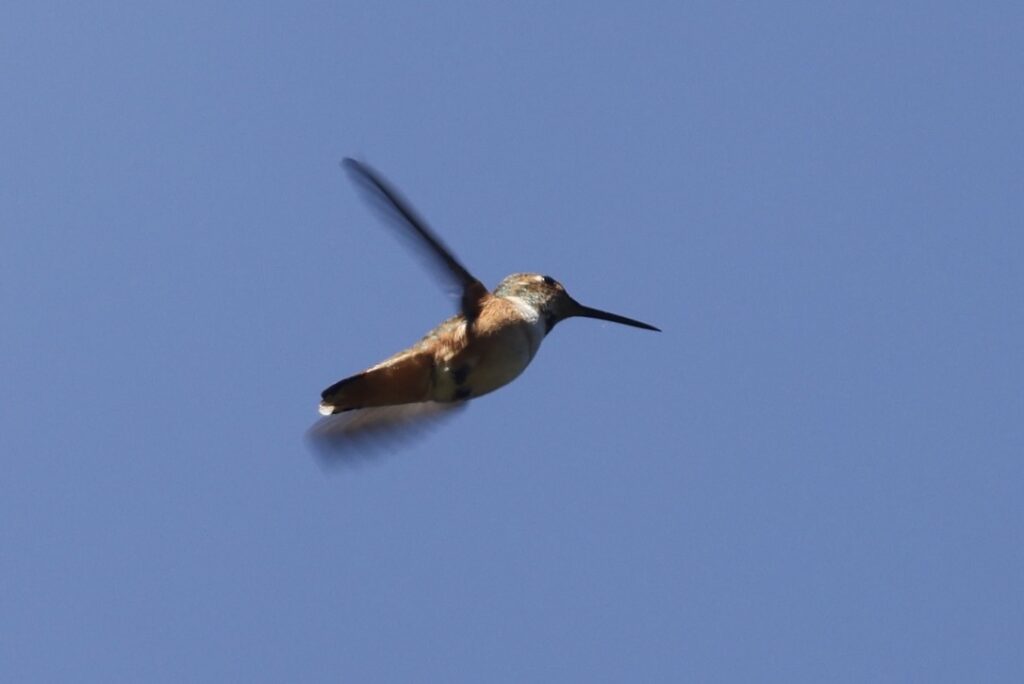
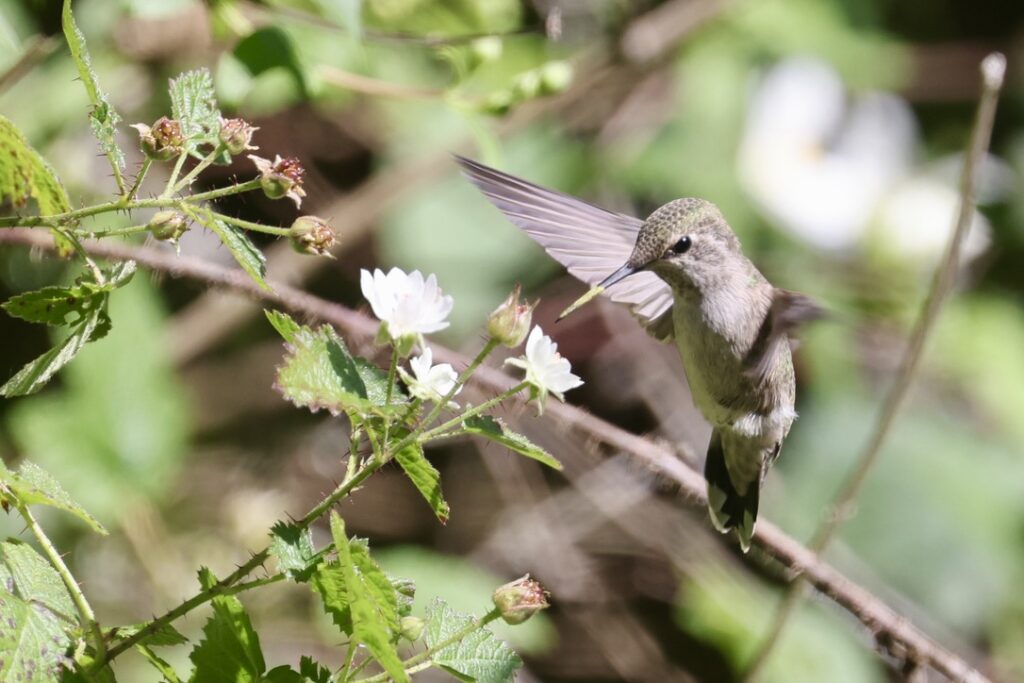
Allen’s Hummingbird
This is a Pacific coast specialty, and near California endemic, which rarely ventures inland. This little hummer is virtually identical to the Rufous Hummingbird and in April can be identified by courtship and nesting behavior along the central and north California coast. The Rufous is merely passing through on its way to breeding grounds in Oregon, Washington and British Colombia. A couple of other giveaways are that male Allen’s always have a green back and male Rufous rarely does. Rufous migration is generally inshore and not along the coast. Vocalizations are also slightly different.
Unexpectedly, San Francisco along the coast is a real hotspot for this bird. It did not take much convincing to decide to drive from our hotel in Santa Rosa across the Golden Gate Bridge and into San Francisco. We went to the Presidio and looked around a garden in a residential area and found several Allen’s hummingbirds being territorial and showing courting behaviors.
Allen's Hummingbird
Allen's Hummingbird - Female
Since we were already there, a trip to the Fisherman’s Wharf area was essential.
San Francisco Brewing
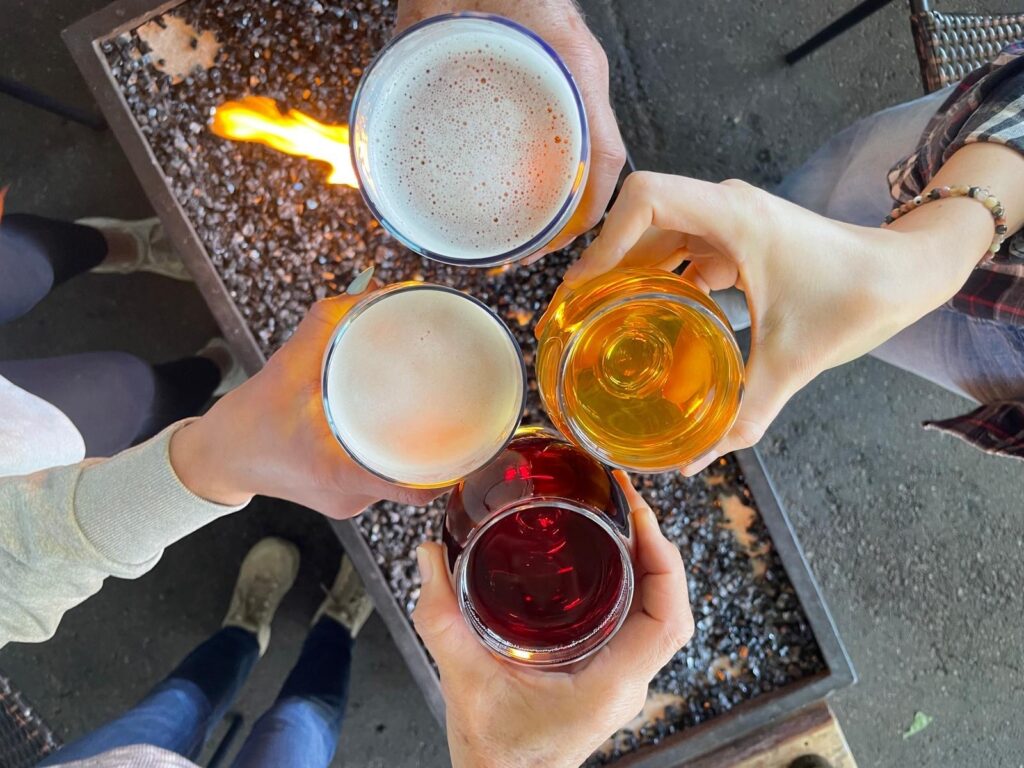
Toasting with a Presidio Pilsner worked perfect with the Allen’s Hummingbird courtship displays in my head. The food was also great. I could even tolerate the crappy service and endless supply of people, mostly tourists, crowding the open-air restaurant and sidewalks.
Ridgway’s Rail
I knew that Mountain Quail and Lawrence’s Goldfinch was not going to happen based on recent sightings. I took the opportunity while having lunch and a cold one at San Francisco Brewing to see what else might be around.
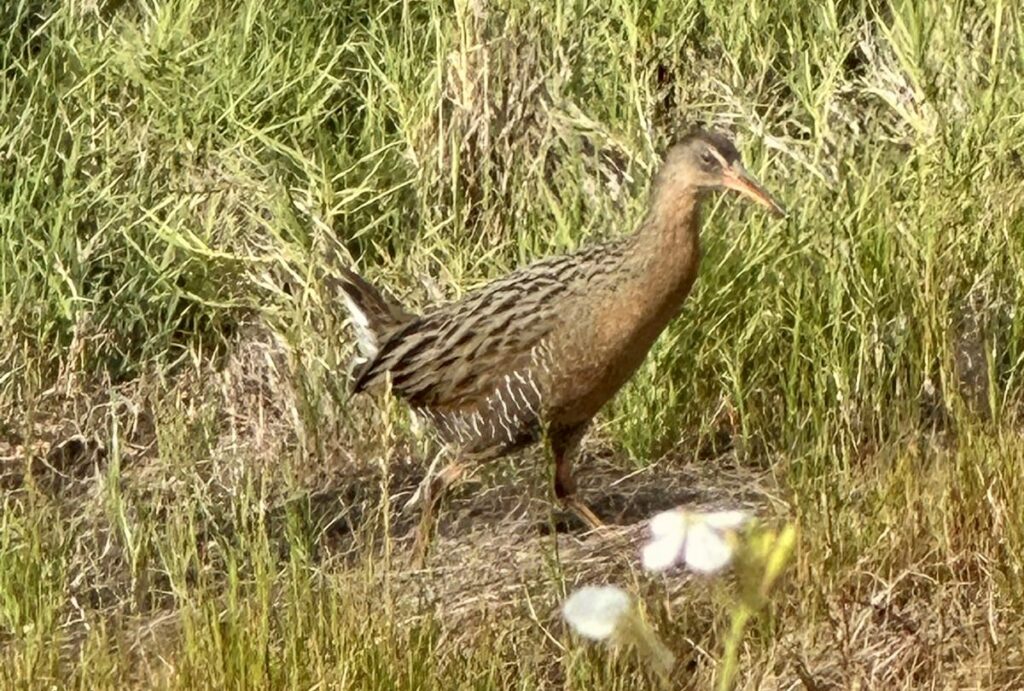
To my delight, there were some wetlands that would be on the way to our hotel from San Francisco that had several recent reports of Ridgway’s Rail. This bird has a limited range in the USA and most of that range is along the coast from Los Angeles south to the border and along the Colorado river bordering California and Arizona. However, there is an isolated population in the Bay Area.
We would stop at the Corte Madera Salt Marsh restoration area. There are some well-developed walking trails. The four of us set out on our rail mission. We walked and walked and found very little habitat that was suitable (in my opinion) for rail. Too much open mud flats between the water and the reeds. The younger ones decided they were done walking and parked on a bench while Mirka and I carried on.
After a few hundred more yards we came across what appeared to be suitable habitat: reed beds down to the water line. I gave a quick call (yes, I did that) and the response was immediate and overwhelming. Two rails answered immediately and then showed themselves. Walking along the edge on the other side of the canal. To my astonishment, they then proceeded to get in the water and swim the little canal like ducks to our side and within 25 feet of us. But it doesn’t end there, those incredible birds continued walking through the grass towards us in full display as close as 10 feet before finally moving on.
Ridgway's Rail
Sadly, I had such low expectations on finding this bird in the heat of the mid-afternoon sun that I did not bring my camera. The pictures were taken with Mirka’s iPhone 14. What a way to end the North California birding trip!
Pond Farm Brewing – San Rafael
I had the Ridgecrest West Coast IPA. Yes, it sounds a bit like Ridgway Rail so I had to get it. This brewery is located in downtown San Rafael and offers a great atmosphere. It was an excellent way to close after the biggest highlight of the North California Birding and Brewery adventure.
6 thoughts on “North California Birding and Breweries”
Angelique Stephens
I had so much fun with you, mom, and Aleeza on this birding & brews trip! I cannot wait for the next one! Also, the Allen’s hummingbird photo is incredible!! Good job, dad!
Another great family bonding with a story to show and tell. Very impressive. The blackbird complex is impressive; not what I am used to seeing in Florida.
Frankly, I like Mirka’s iphone photo of the Ridgeway’s Rail. Good shot Mirka. You saved the day on that one. Clyde, at Hospital Point
Loved the White headed woodpecker beautiful! I’m getting into birds& squirrels over here in the East Coast. Clint built me a front little patio with swing underneath the beautiful live oak. Love just watching the birds.
Thanks Joel they are all so beautiful.
P.S are the Kit Kats in sale? That sure is a lot!
Nice birds and brews trip. I was a bit baffled by the Ridgway’s Rail photo that accompanied the details about all the great views, but then the explanation came. With that additional info: Great photo, Mirka! And Joel, well you know… bring the camera… And that’s a crazy display of Kit Kats!



I had so much fun with you, mom, and Aleeza on this birding & brews trip! I cannot wait for the next one! Also, the Allen’s hummingbird photo is incredible!! Good job, dad!
Love the dedication for each bird!!! Glad yall had a great time, love you!
Another great family bonding with a story to show and tell. Very impressive. The blackbird complex is impressive; not what I am used to seeing in Florida.
Frankly, I like Mirka’s iphone photo of the Ridgeway’s Rail. Good shot Mirka. You saved the day on that one. Clyde, at Hospital Point
Loved the White headed woodpecker beautiful! I’m getting into birds& squirrels over here in the East Coast. Clint built me a front little patio with swing underneath the beautiful live oak. Love just watching the birds.
Thanks Joel they are all so beautiful.
P.S are the Kit Kats in sale? That sure is a lot!
Lovely family. As usual, I learned a lot!
Nice birds and brews trip. I was a bit baffled by the Ridgway’s Rail photo that accompanied the details about all the great views, but then the explanation came. With that additional info: Great photo, Mirka! And Joel, well you know… bring the camera… And that’s a crazy display of Kit Kats!