Yes, it would seem like a bad idea to pack-up and head to Oman or the UAE right now, but back in December, it was a great idea turned into a great plan resulting in a great adventure.
The research for the India trip included some digging into more of the Gulf States. Oman was high on my list to investigate. Turns out, there is excellent birding on the Arabian Peninsula with migrants during the winter months and a surprising number of regional endemics. Oh, and the climate is unexpectedly pleasant. Oman now ranks as one of my favorite countries to visit.
New Years Eve in Muscat
Given our timing, New Years Eve was going to be spent in Muscat, Oman. We splurged on a luxury hotel for two nights which included access to a happy hour club with “free” food and beverage for about 3 hours every evening.
We generally spend most of our nights in modest (or less than modest) accommodations; however, it is nice to notch it up a bit now and then. We planned to attend the New Years Eve buffet and party, but when we saw the $280 per person entrance, we opted for the happy hour club and a quiet stroll followed by an early bedtime. After all, we were traveling to Salalah the next day.
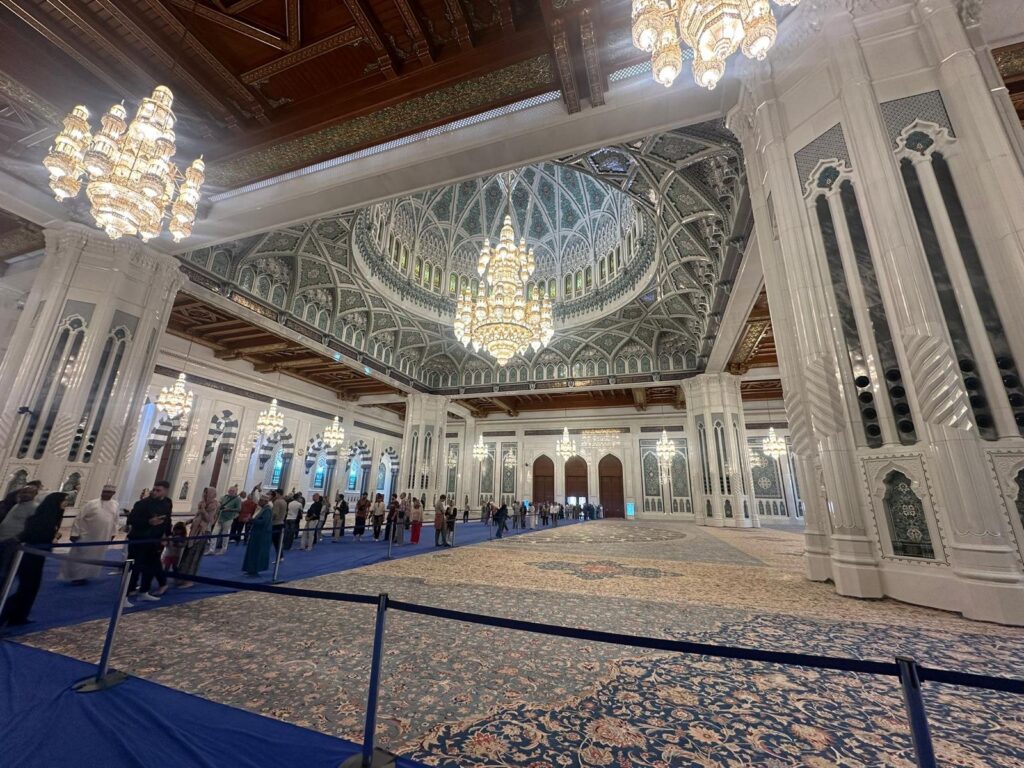
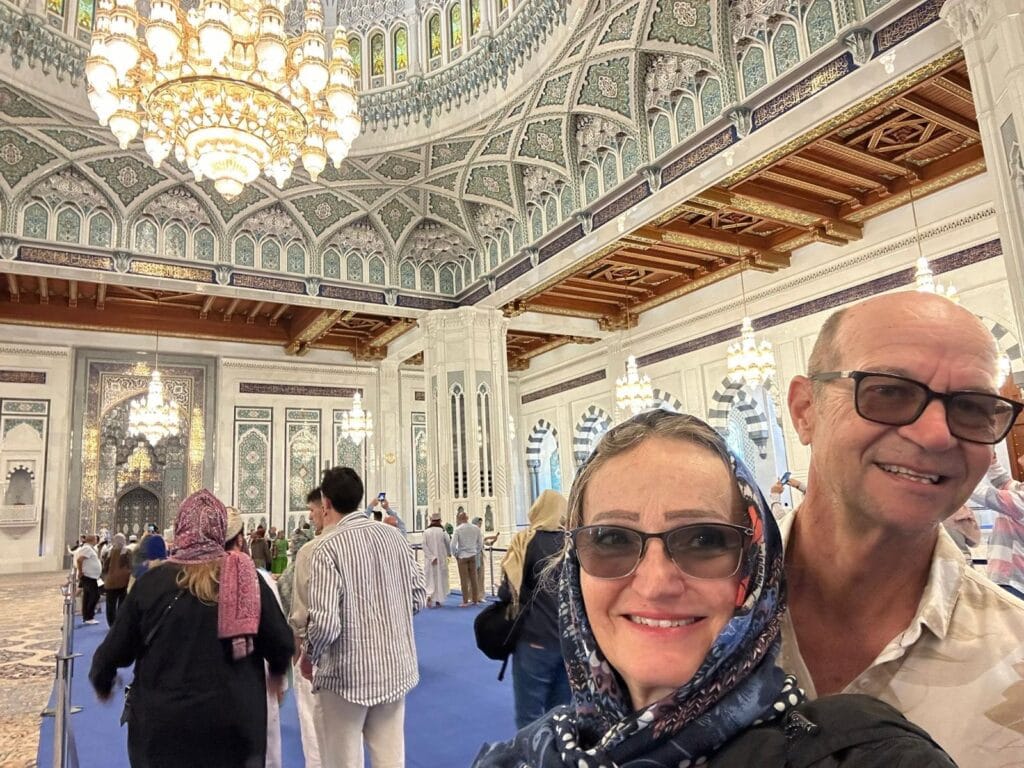
Sultan Qaboos Grand Mosque
Largest Carpet in the World
City Birding for Lifers
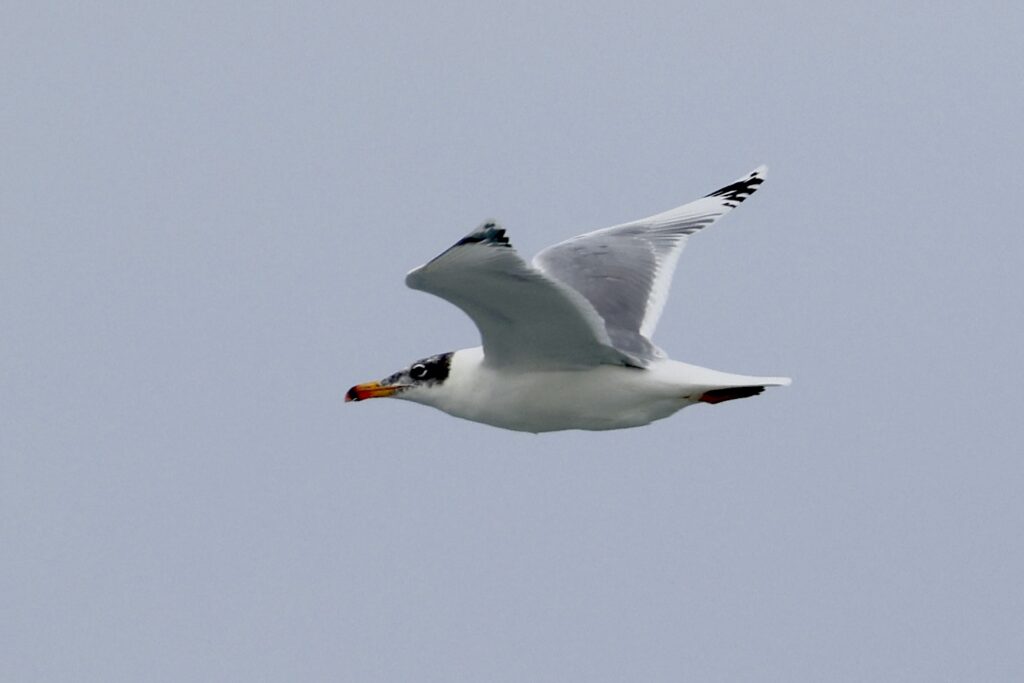
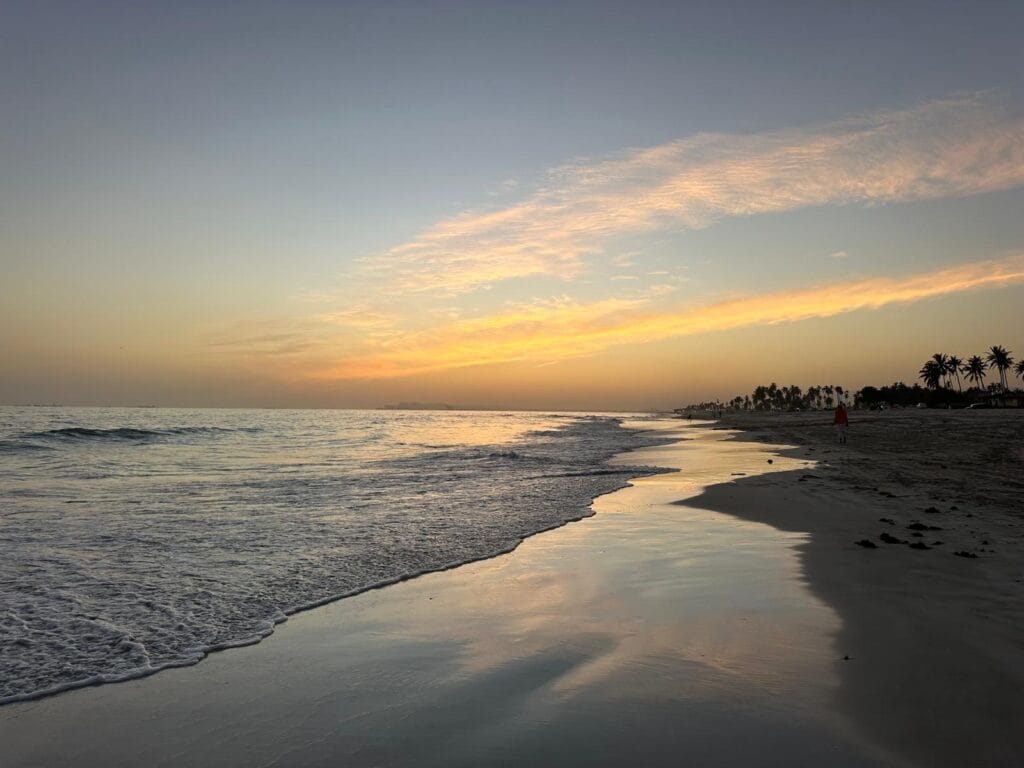
The evening stroll down the beach was lovely. Clear water, families, cool breeze…and birds. I even picked-up four lifers. The Sooty Gull is as common as Laughing Gull on the Texas coast, but the Pallas’s Gull was less common and turned out to be the only one I saw. Desert Wheatears were very common as were the Arabian Green Bee-eaters. Birding Oman was off to a good start.
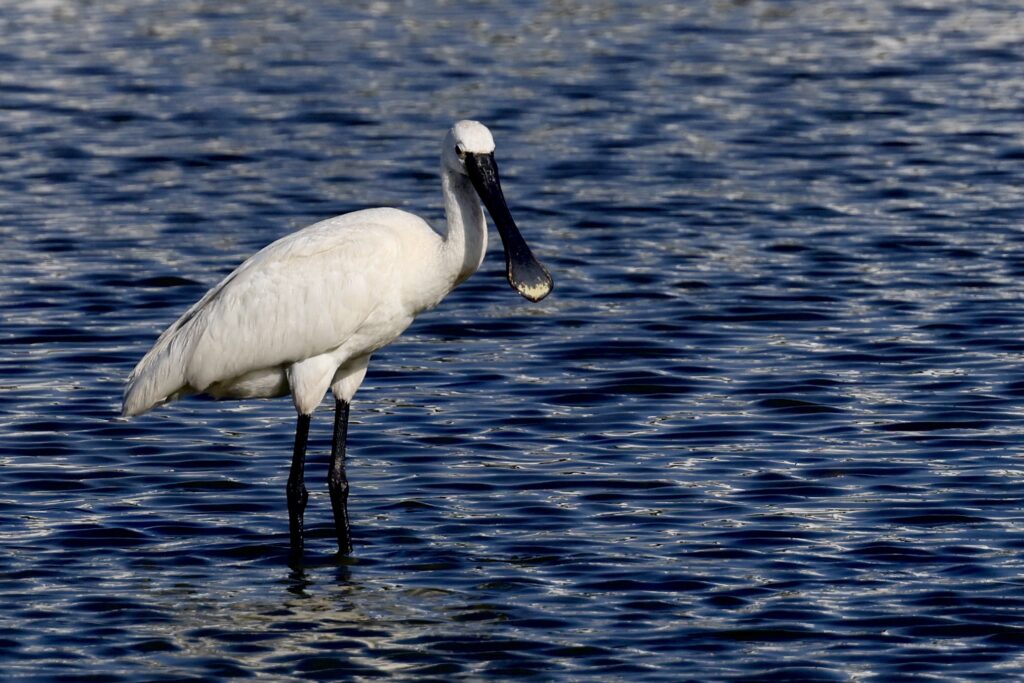
Eurasian Spoonbill
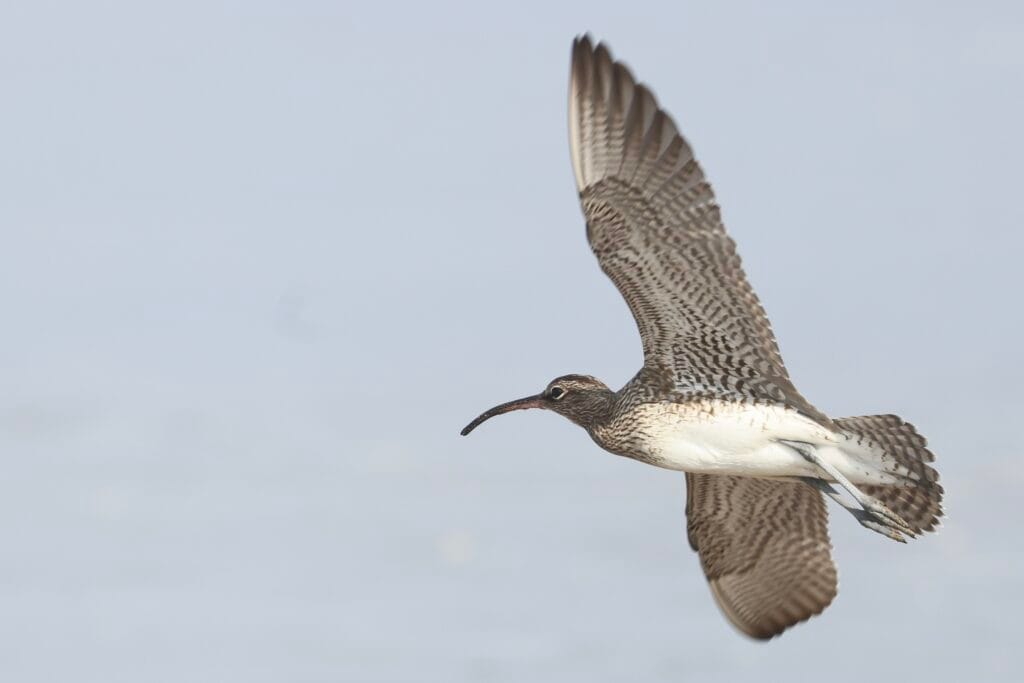
Eurasian Whimbrel
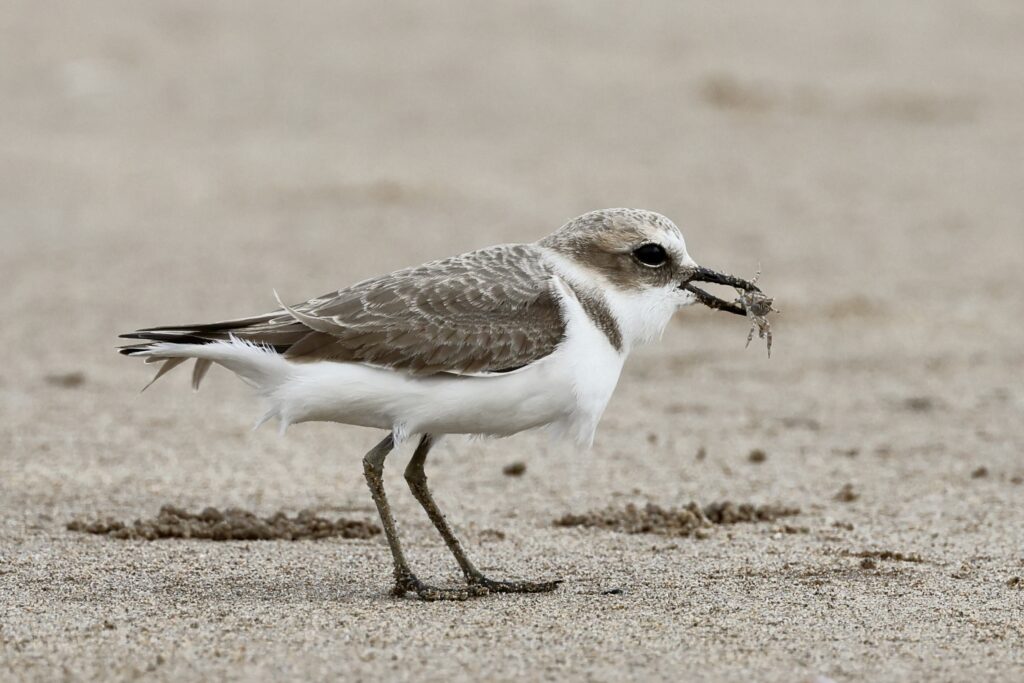
Kentish Plover
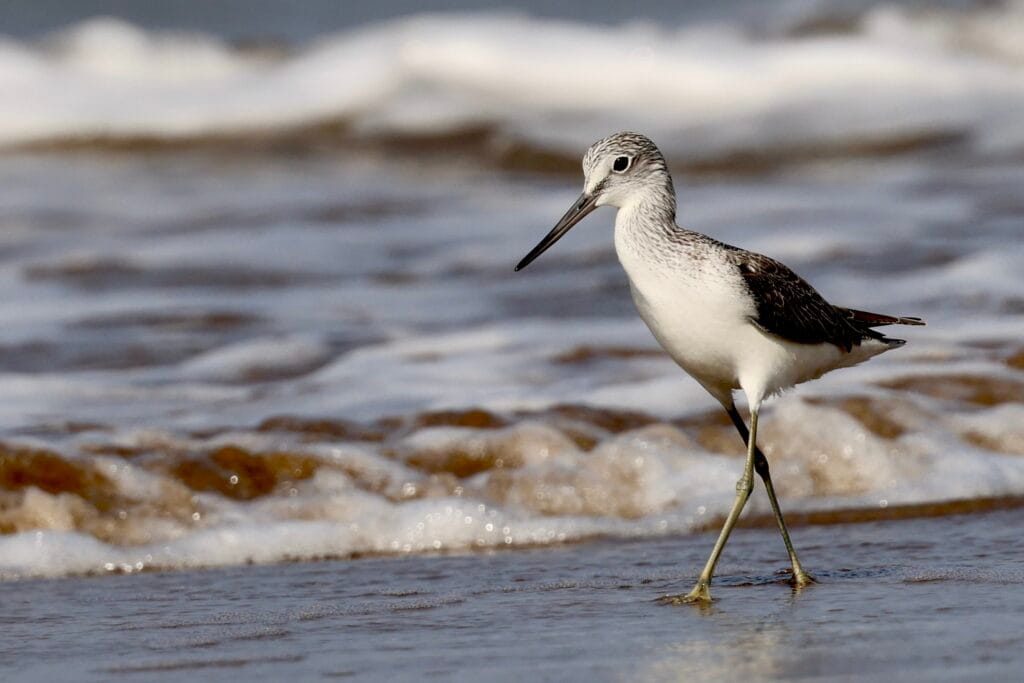
Common Greenshank
Pallas's Gull
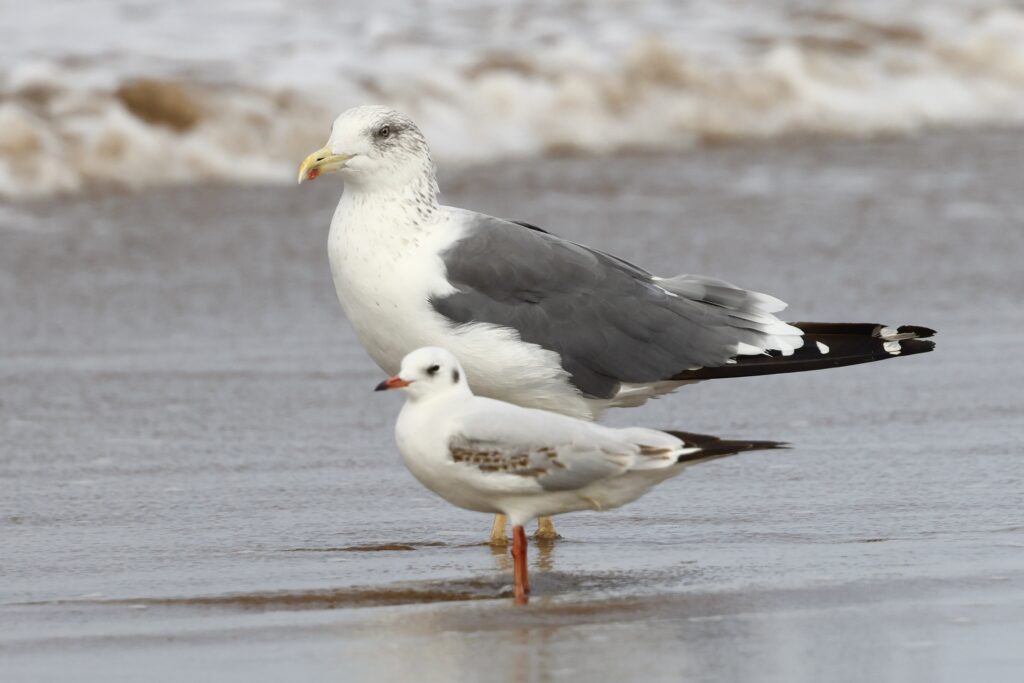
Lesser Black-backed and Black-headed Gull
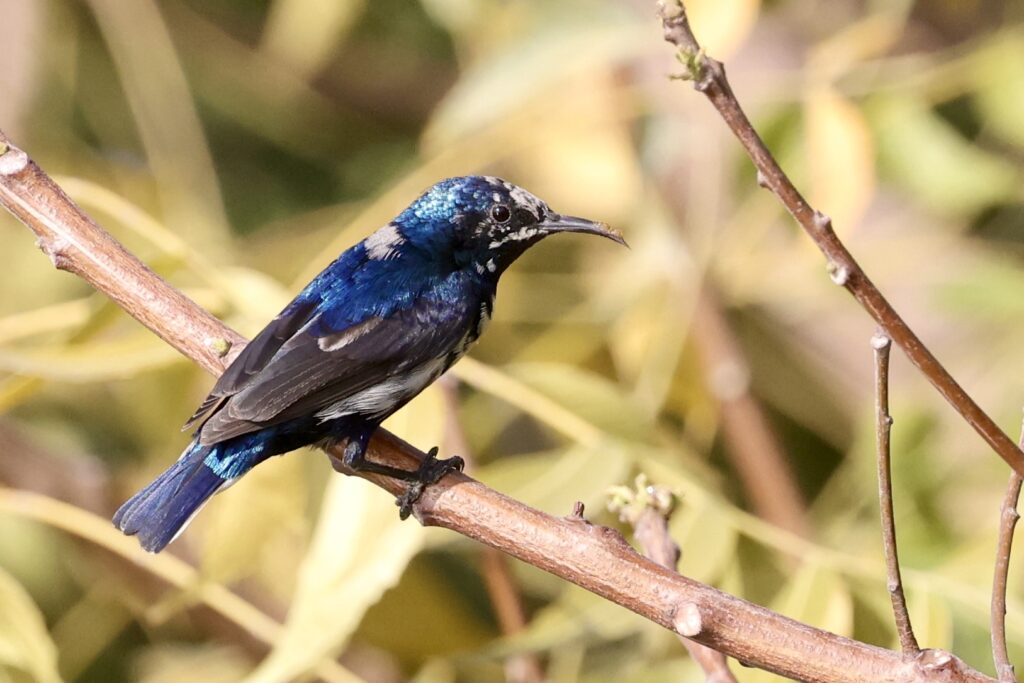
Purple Sunbird
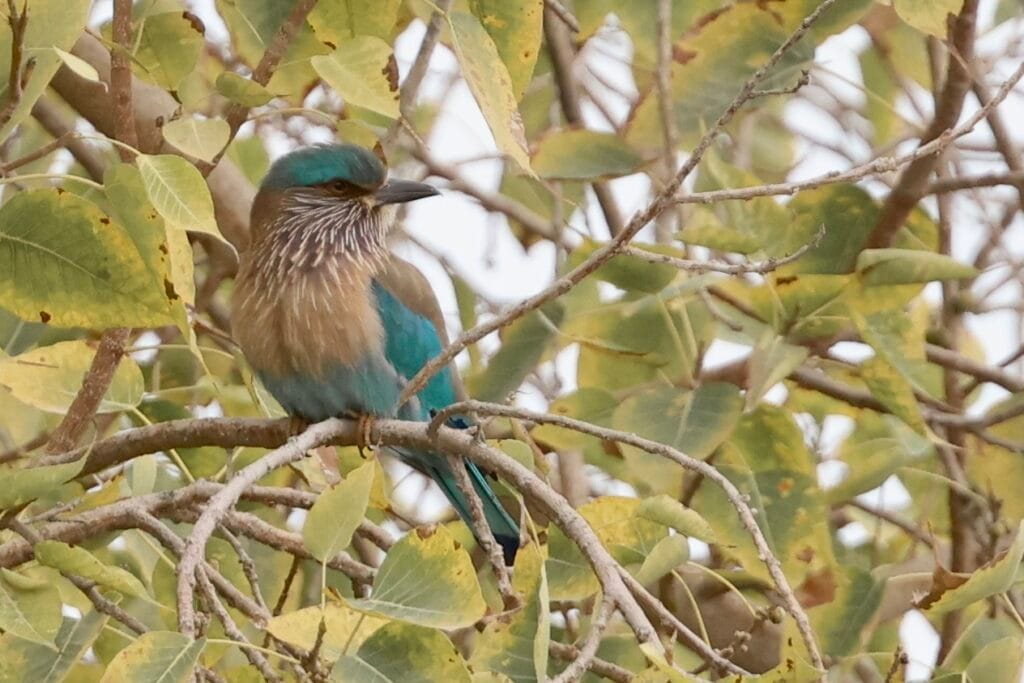
Indian Roller
Unexpected Salalah
If you research birding Oman, you quickly realize that the big area for birding is down south around Salalah. Salalah is a medium sized city, on the coast, near the border of Yemen. It surprised me how popular a destination the city is with Europeans. There are direct flights to Salalah from many major European cities, including Prague, to Mirka’s delight.
There are a handful of luxury all-inclusive resorts around Salalah that seem to be the main attraction for the Europeans. We know this because in our excursions around Salalah we ran into only a modest number of Europeans and no one from the other side of the Atlantic.
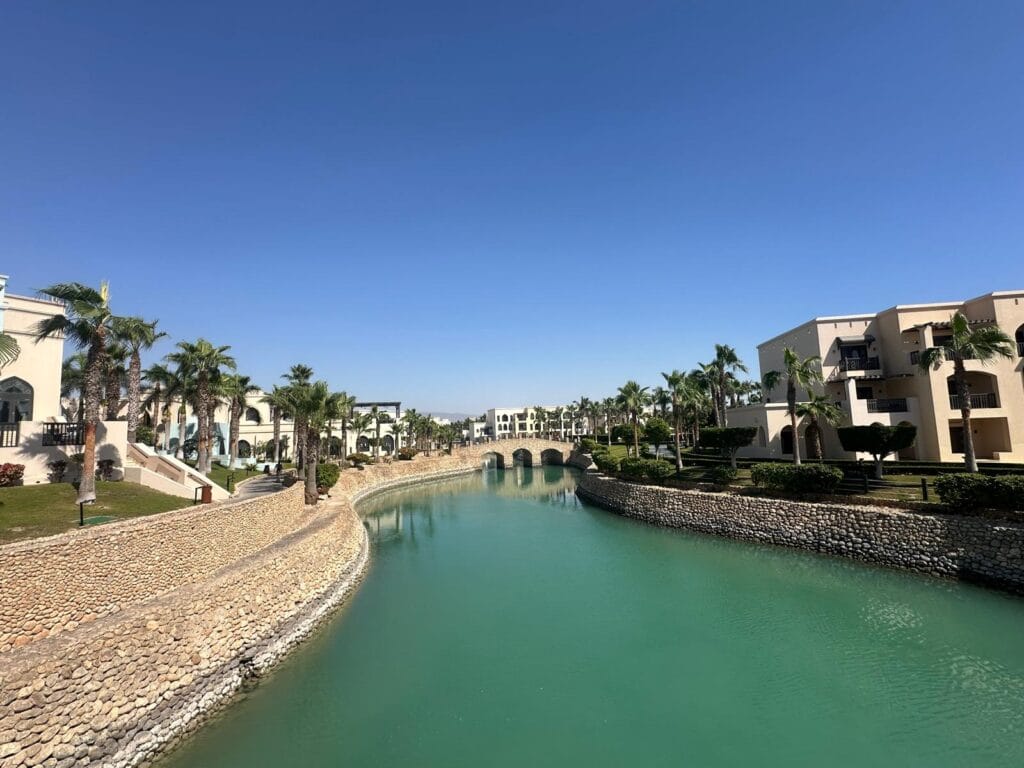
Al Baleed Resort
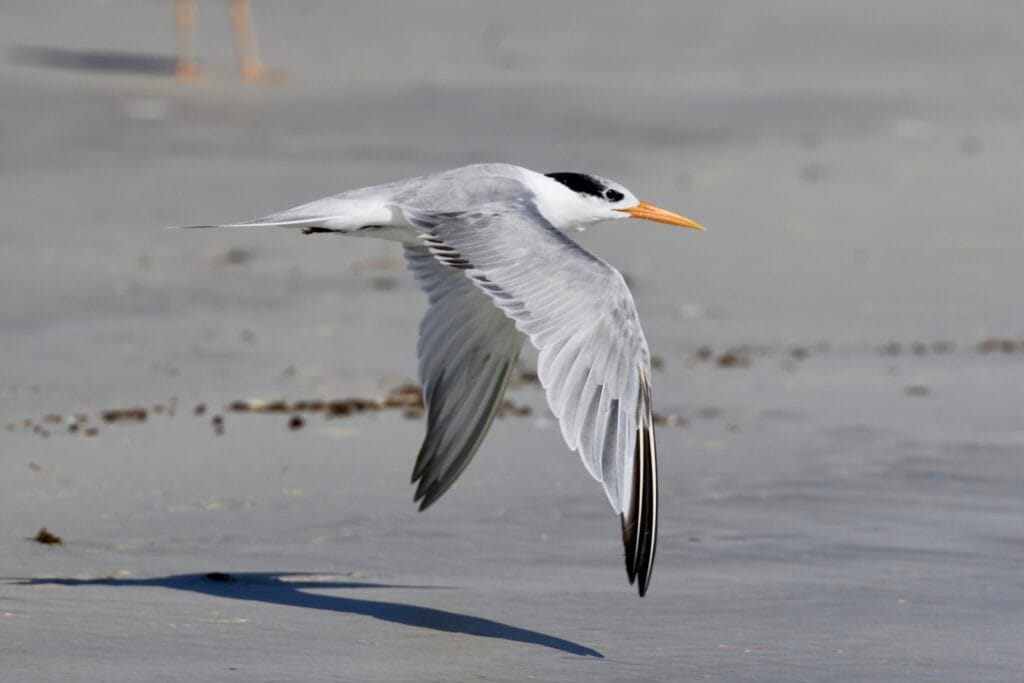
Lesser Crested Tern
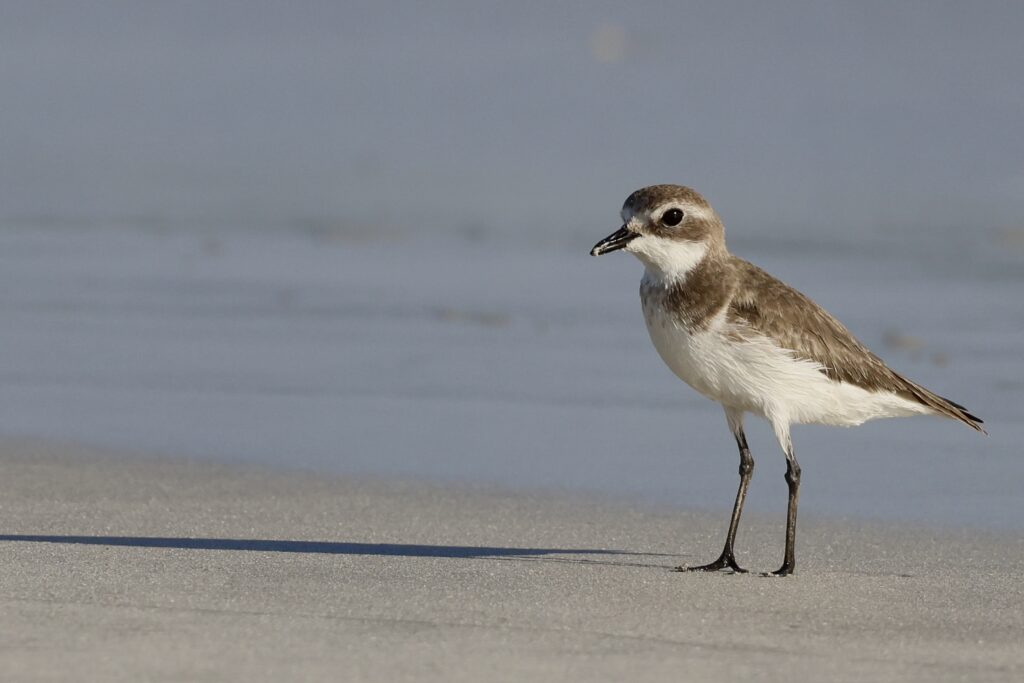
Greater Sand-Plover
We went to one of the all-inclusive resorts and enjoyed an amazing buffet lunch for a very reasonable $40 per person. They even had piped in music in a very tropical style, think Bob Marley, Jimmy Buffett and other tropical tunes.
Salalah, Naturally
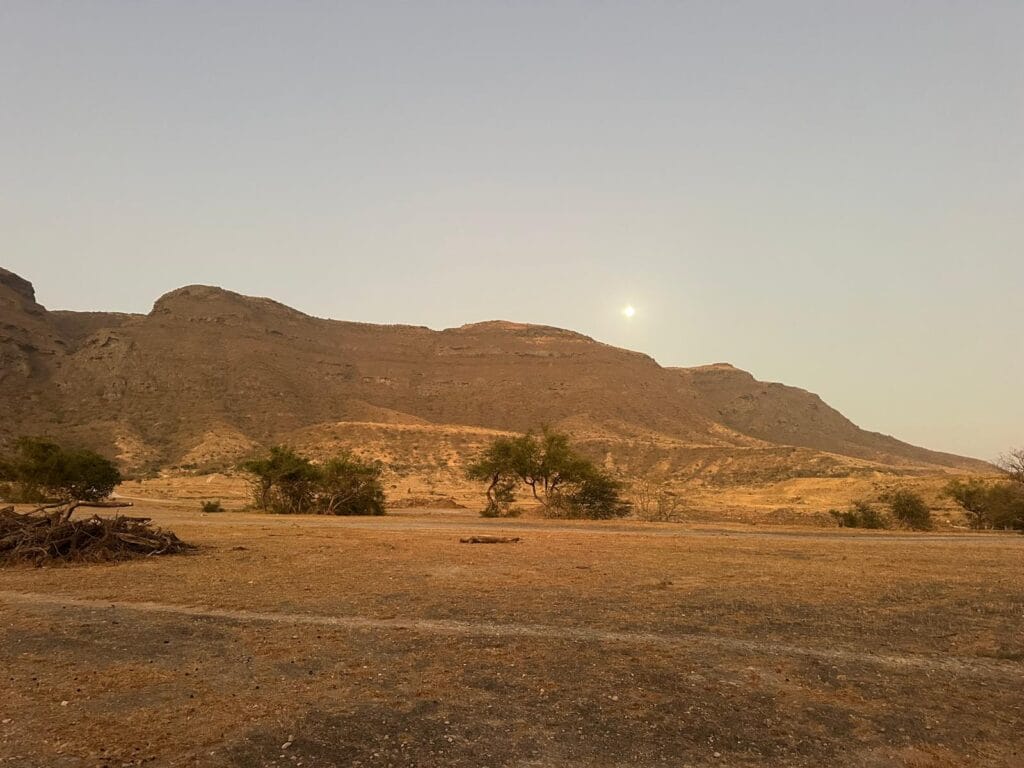
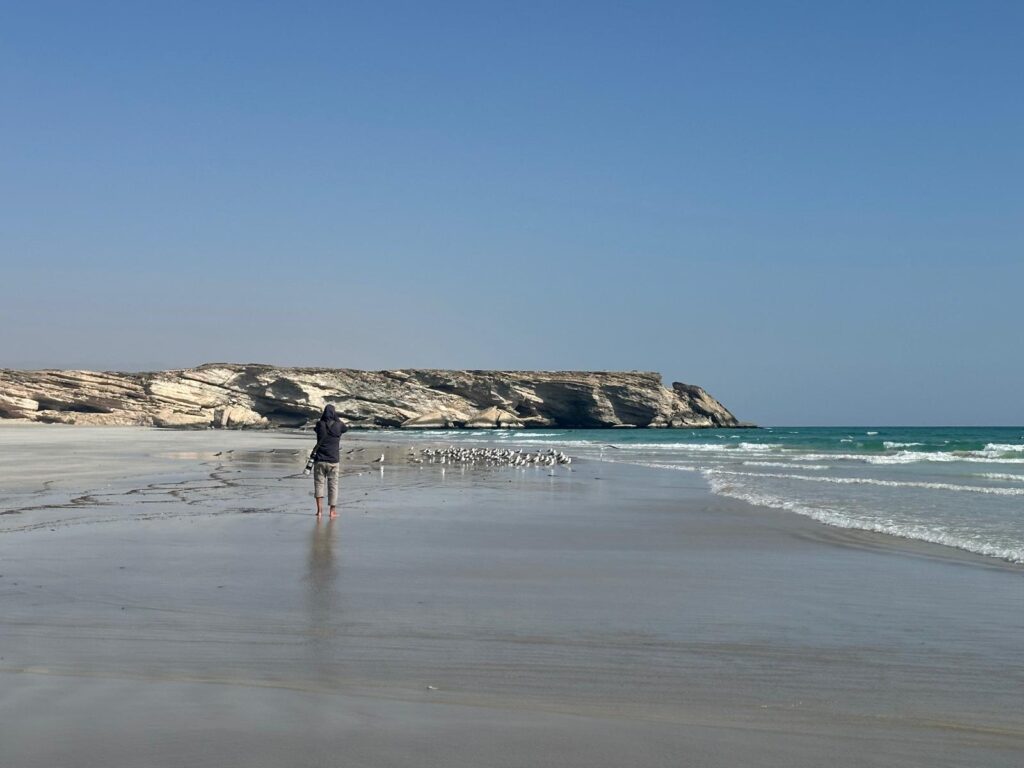
In terms of geography around Salalah, it is rugged. Near the coast are dry, rocky, coastal plains leading to sandy beaches and clear, calm ocean waters (at least while we were there). As you go inland the topography changes into a more forested escarpment leading to a high elevation desert plain about 20-30 miles inland which sits at about 1000 meters above sea level.
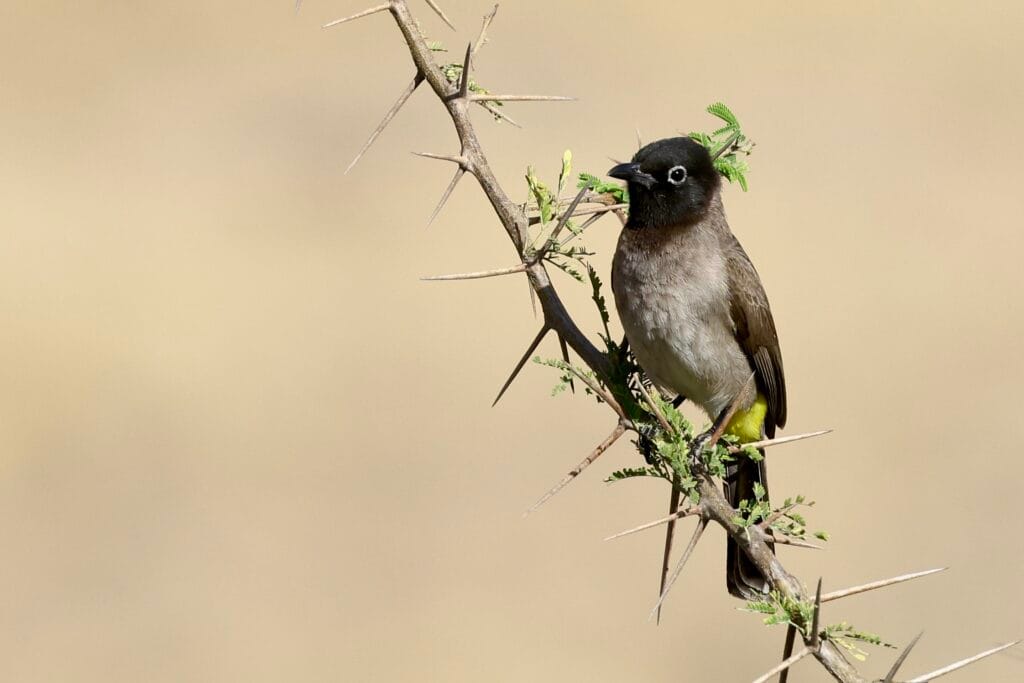
White-spectacled Bulbul
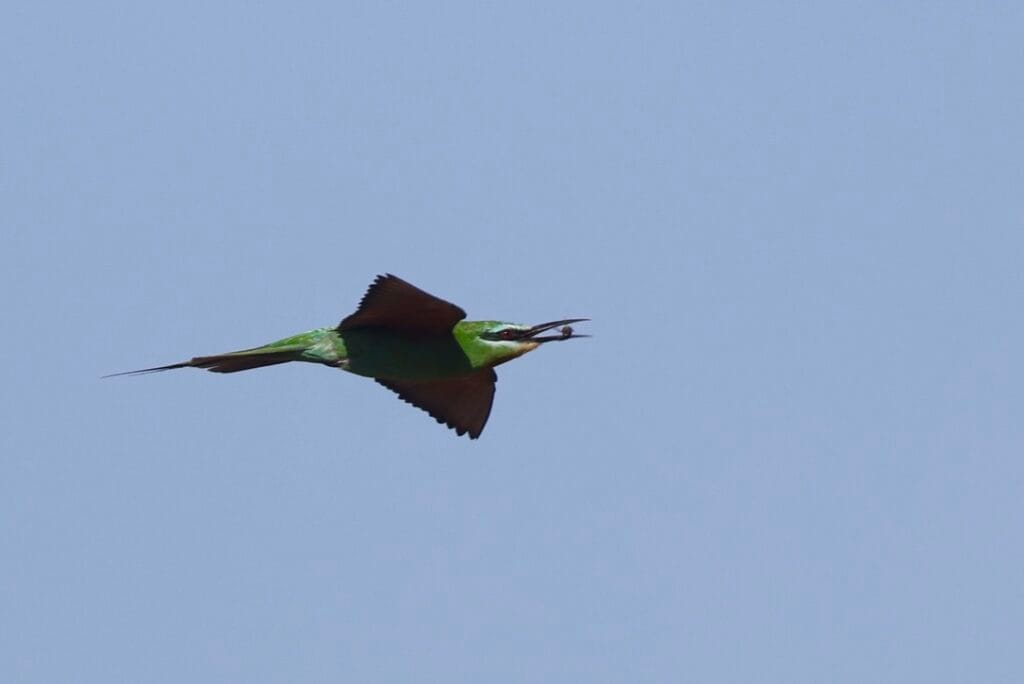
Blue-cheeked Bee-eater
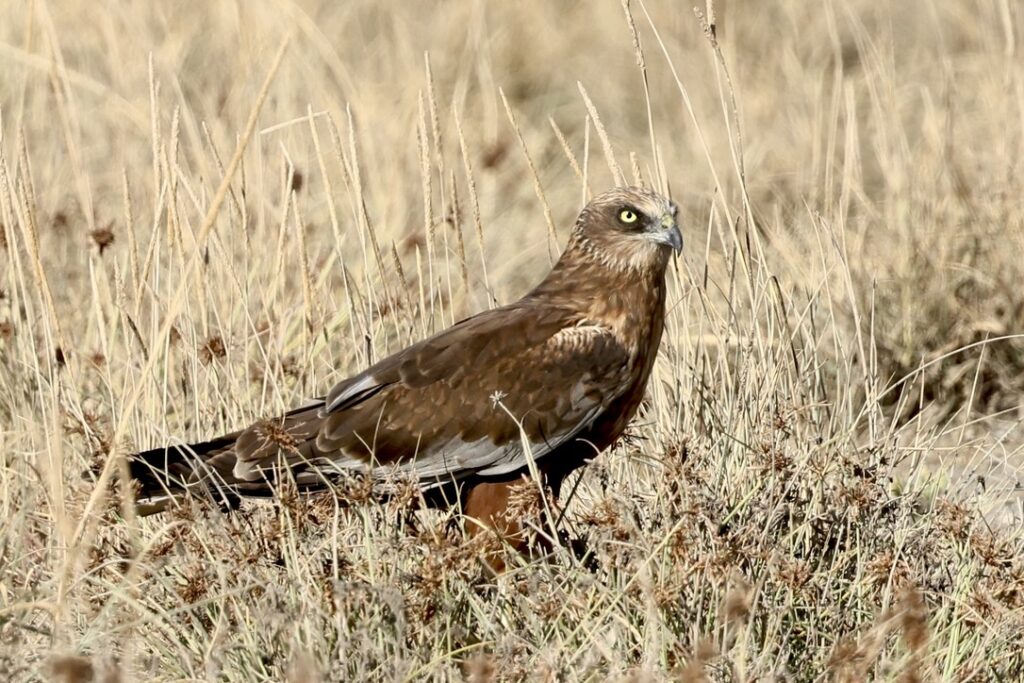
Western Marsh Harrier
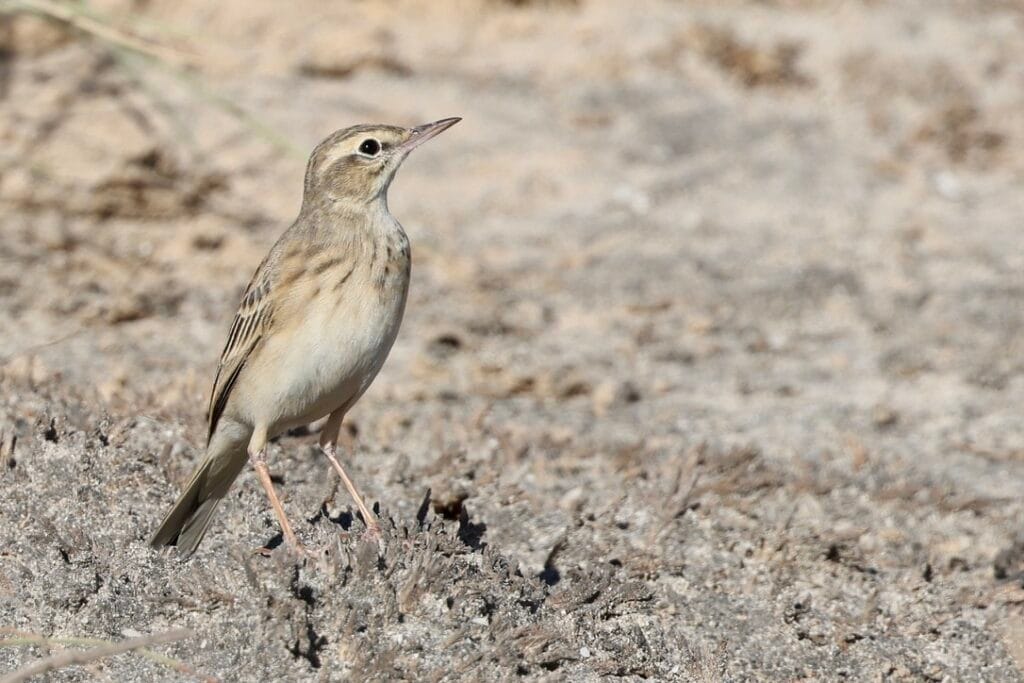
Tawney Pipit
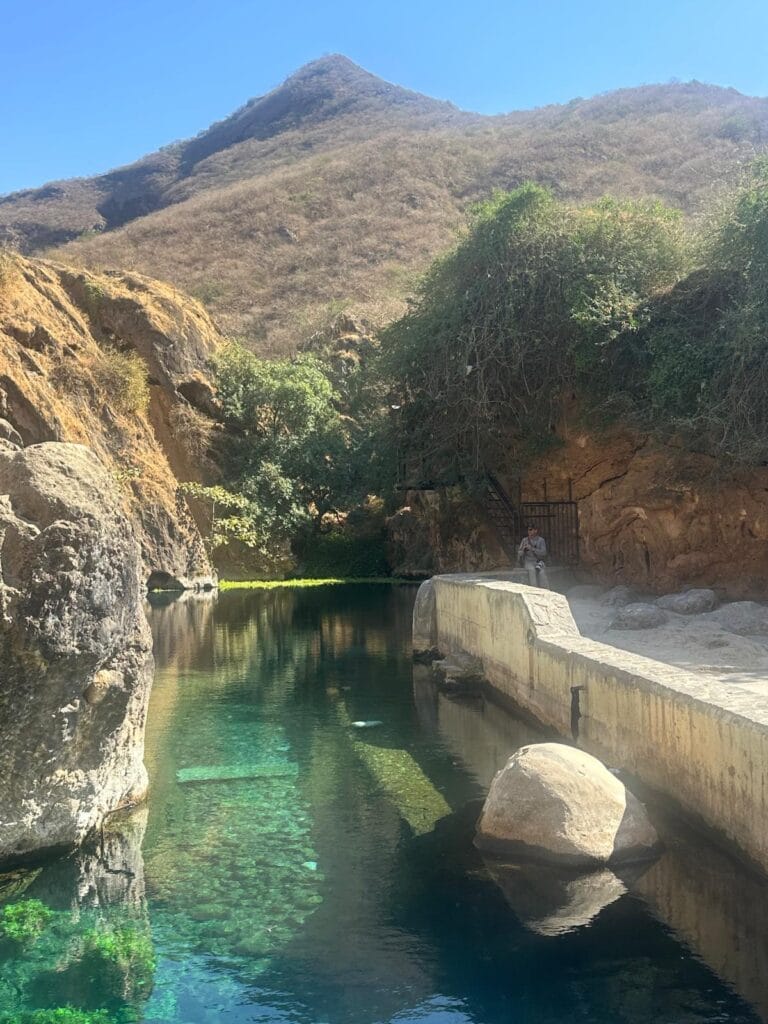
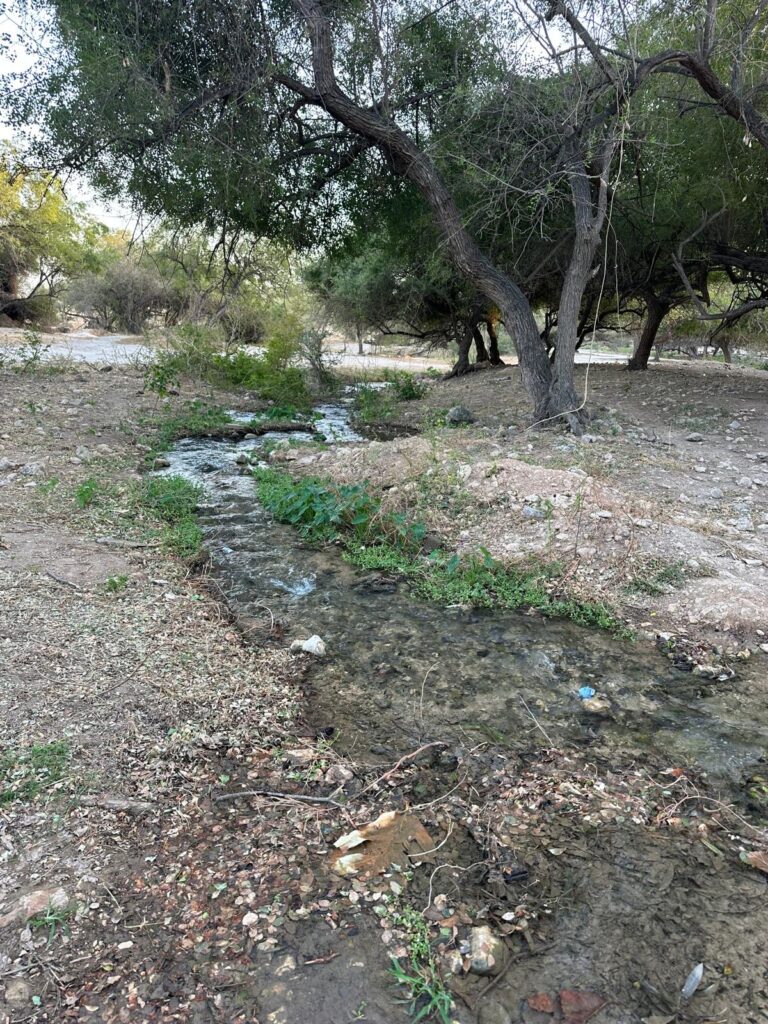
There is a monsoon season (khareef) in the summer months. This rain charges aquifers that bleed-out in many places along the escarpment. These springs are called ayns and create literal oases (yes, this is the plural of oasis according to ChatGPT) in the desert. It will be no surprise to anyone that these ayns and the streams that flow from them (wadis) are recreation for Omanis, water for camels, and of course, bird habitat.
We would spend seven nights in Salalah, and we would have a 4WD rental car, because some of the spots are a bit off-road. Lets go birding Oman!
Birding Oman – Ayns, Wadis and Coastal Habitat
I noticed that the Salalah Nature Reserve was not far from our hotel and was a wetland just inshore from a nice beach. That first morning of birding Oman would give me nine lifers and some good photos.
Ayn Sahnawt
Ayn Hamran
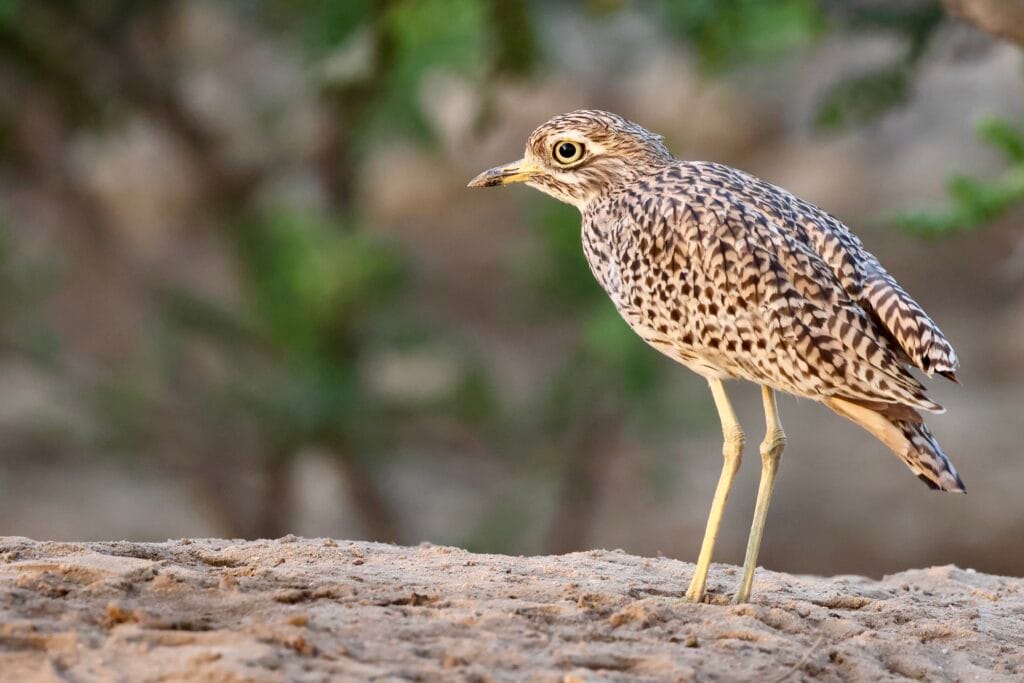
Spotted Thick-knee
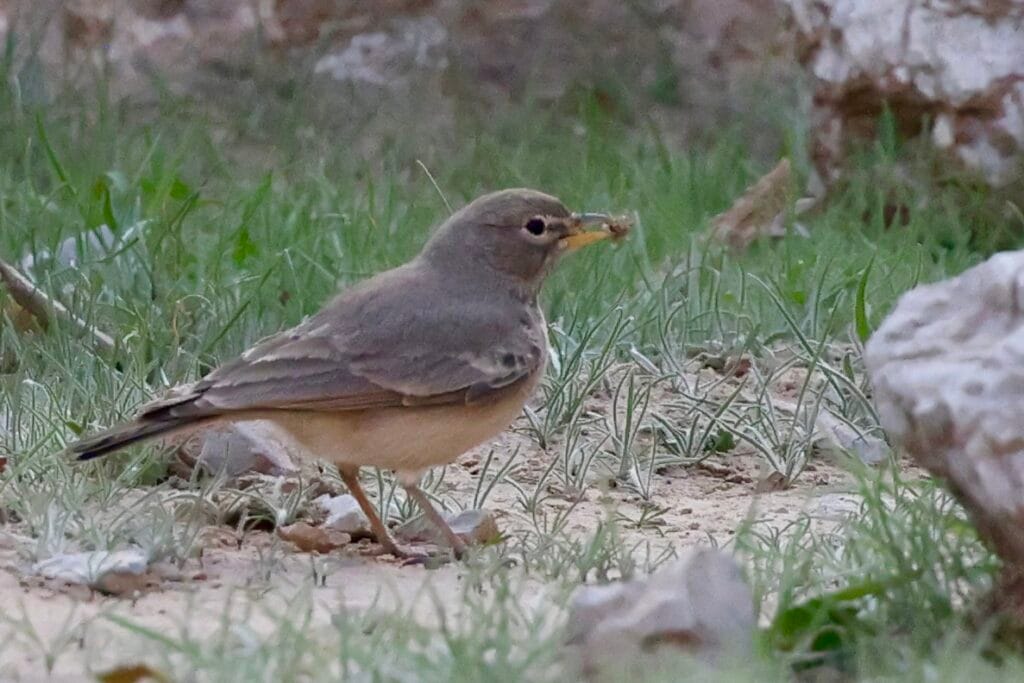
Arabian Wheatear
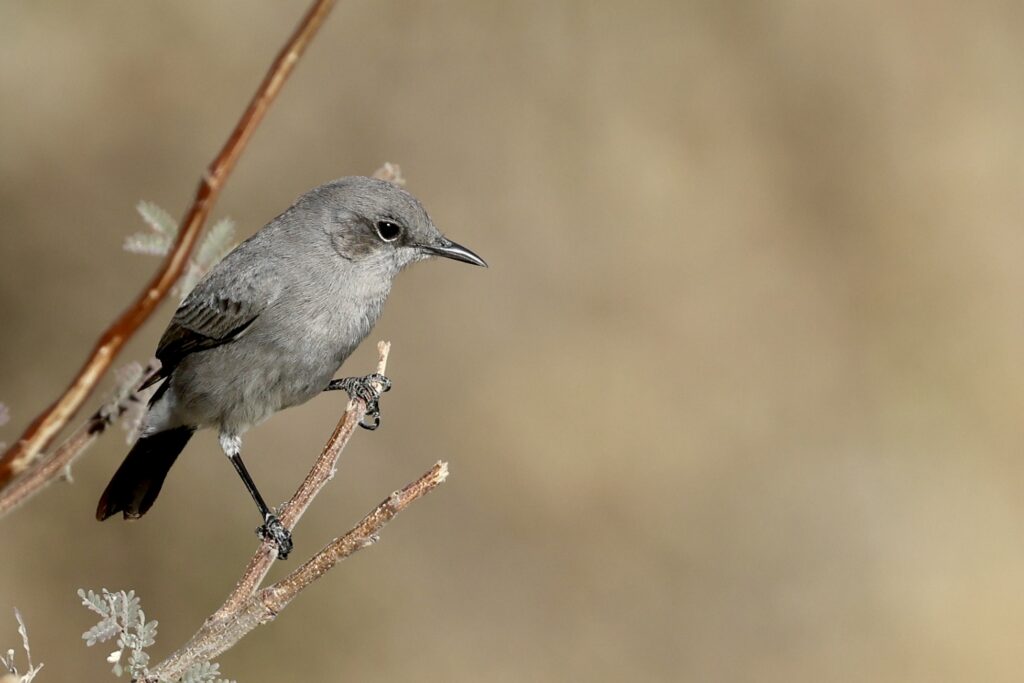
Blackstart
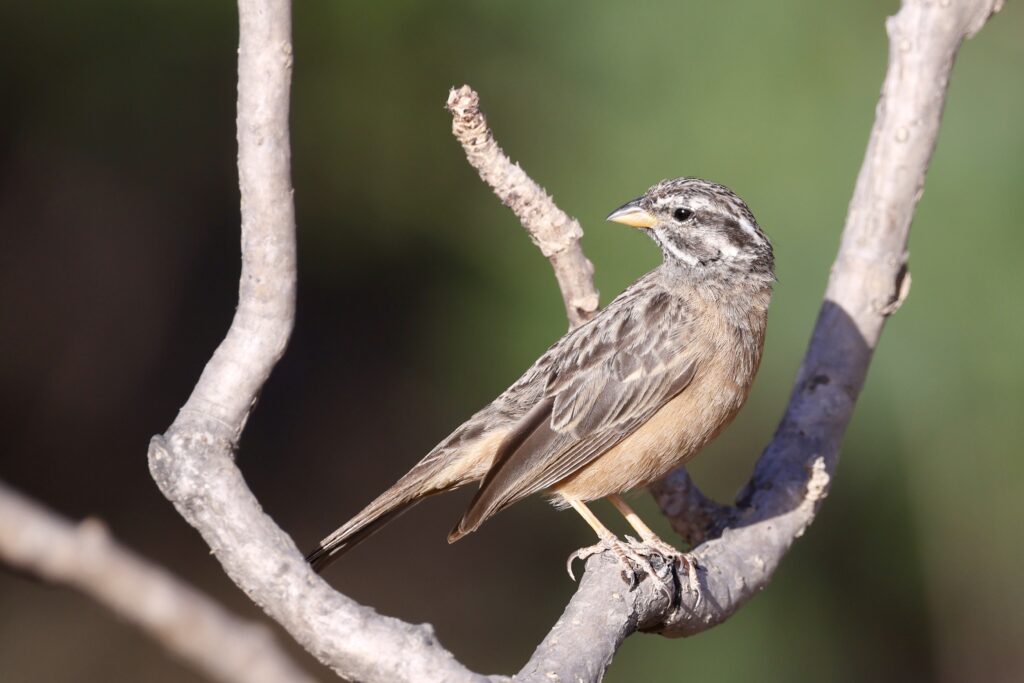
Cinnamon-breasted Bunting
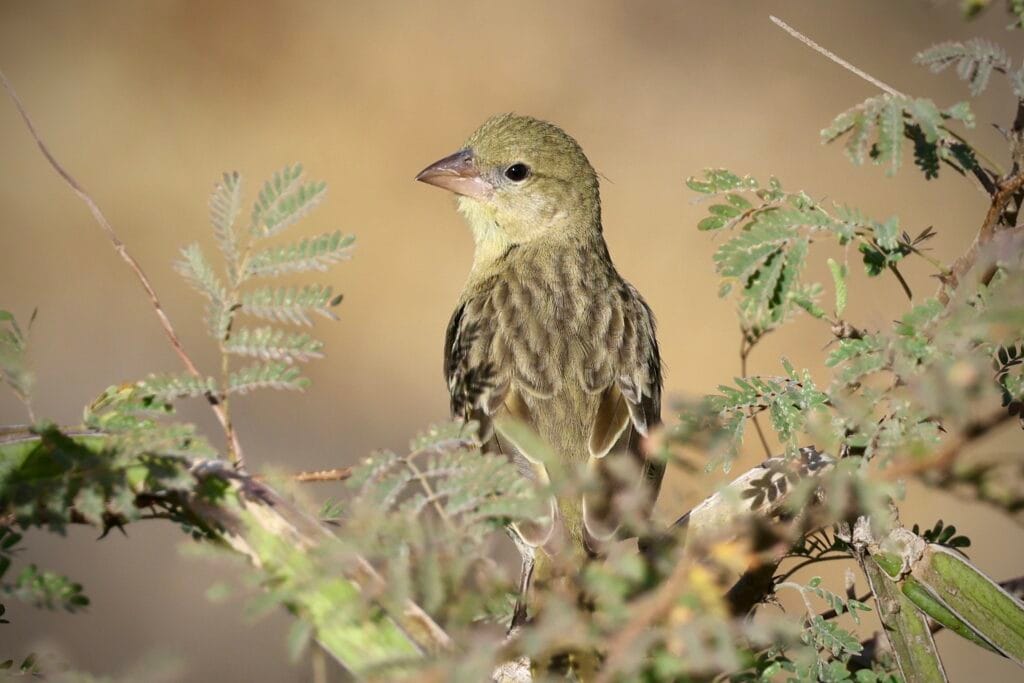
Ruppell's Weaver
In the afternoon we would travel up the escarpment to Ayn Hamran where we would add another five lifers including some real entertainment from a pair of Blackstarts (old world flycatcher family).
On eBird there is a pelagic hotspot out of Mirbat, about an hour north of Salalah. I could not find any providers of that service on the internet, so I reached out to a birder that reported birds on that hot spot who had an email in his eBird profile. He connected me with the right local person.
The Pelagic Story
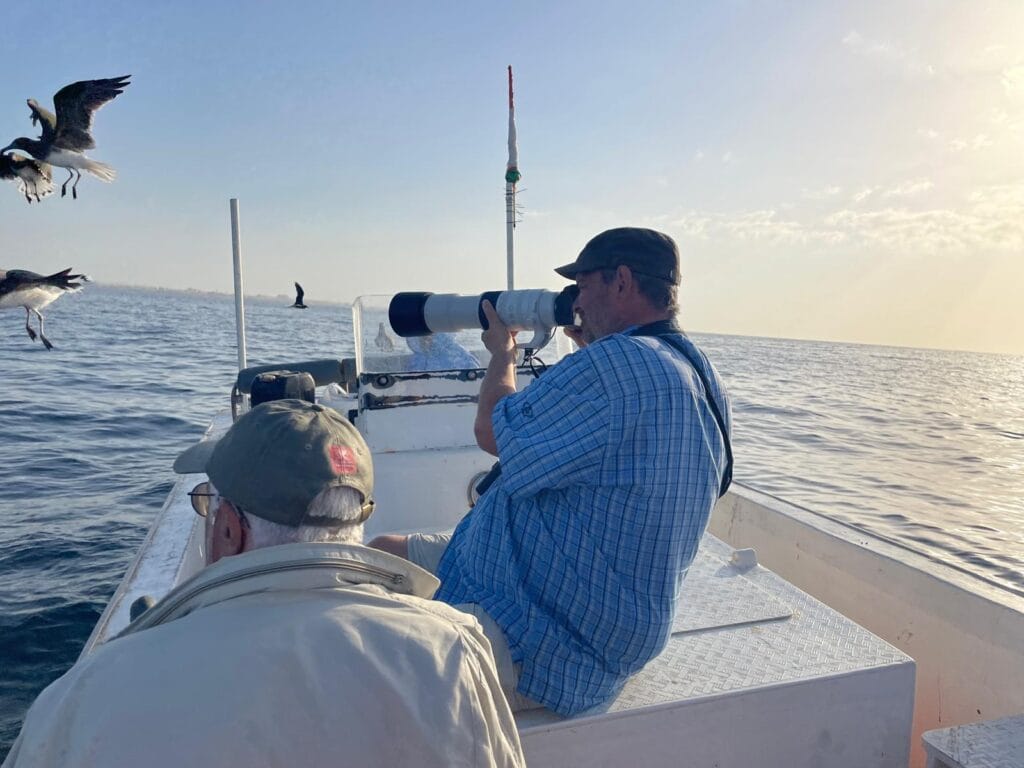
I WhatsApp’d the guide and arranged a trip for a $140. I wasn’t sure if it was a private thing, or if the guide knew anything about birds but I was going on my first pelagic birding trip and I was excited about it. That much I knew. Mirka opted out of this trip for fear of seasickness.
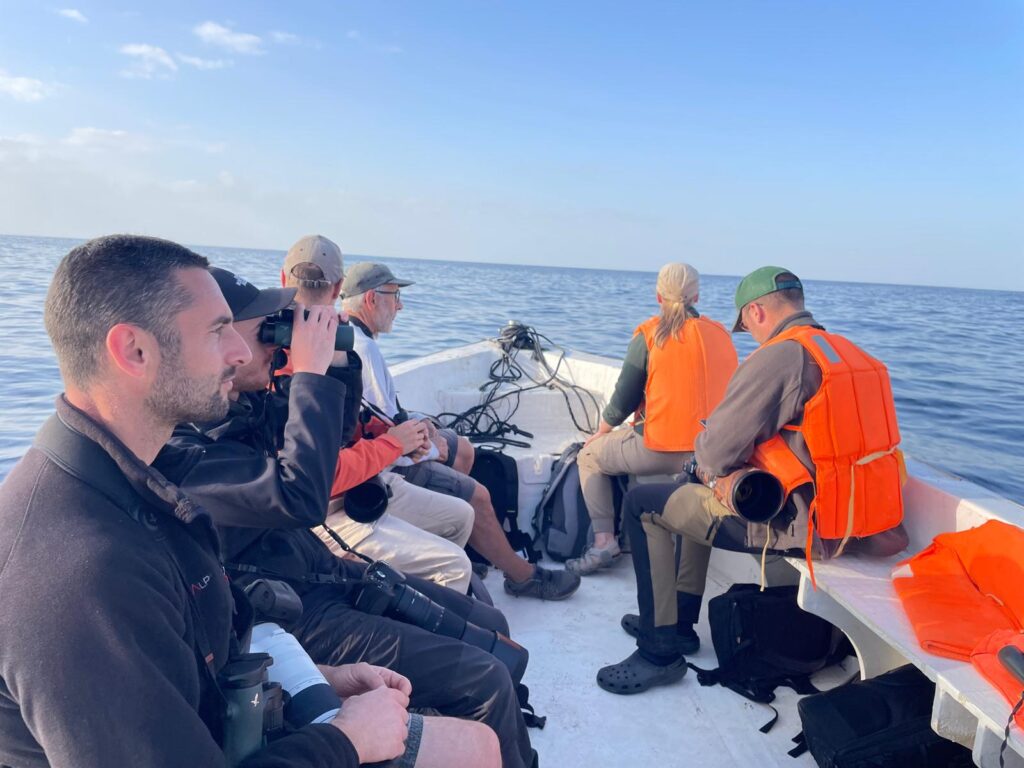
When I arrived at the dock in Mirbat (yes, 10 minutes late) I quickly realized that it was not a private trip. There would be eight of us on the panga style boat. Four French birders and three German birders. I am not one to repeat stereotypes, but here goes anyway. Germans famously don’t have a great sense of humor (watch Bob Newhart joke on Johnny Carson, click here), and well the French, nevermind. Clearly, I got off to a bad start being late, so that’s on me. Not saying they were unfriendly, just not particularly friendly.
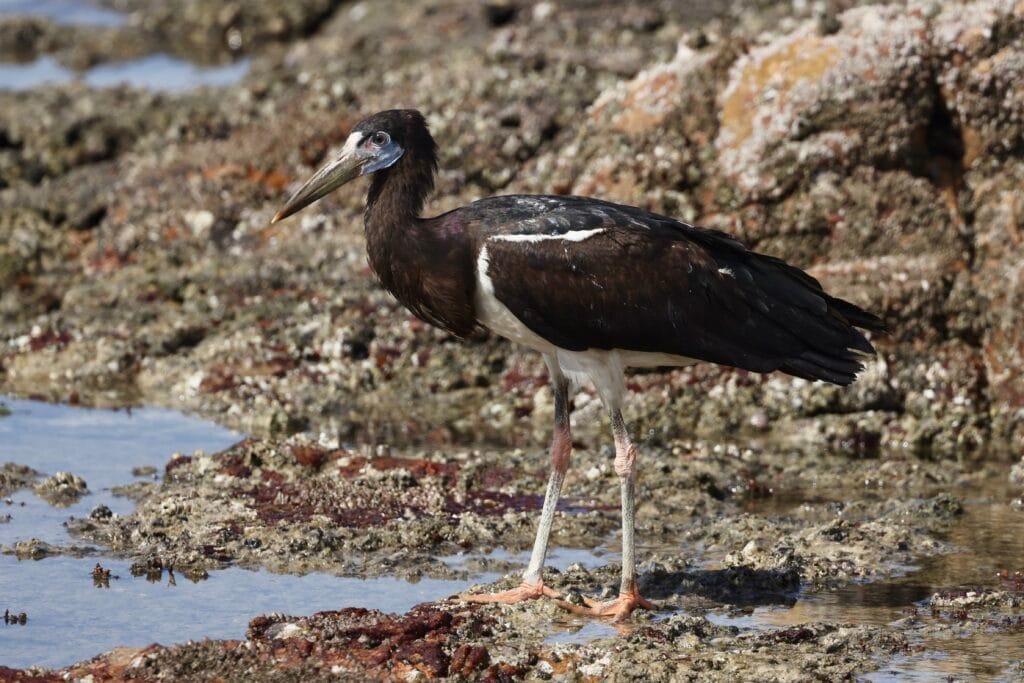
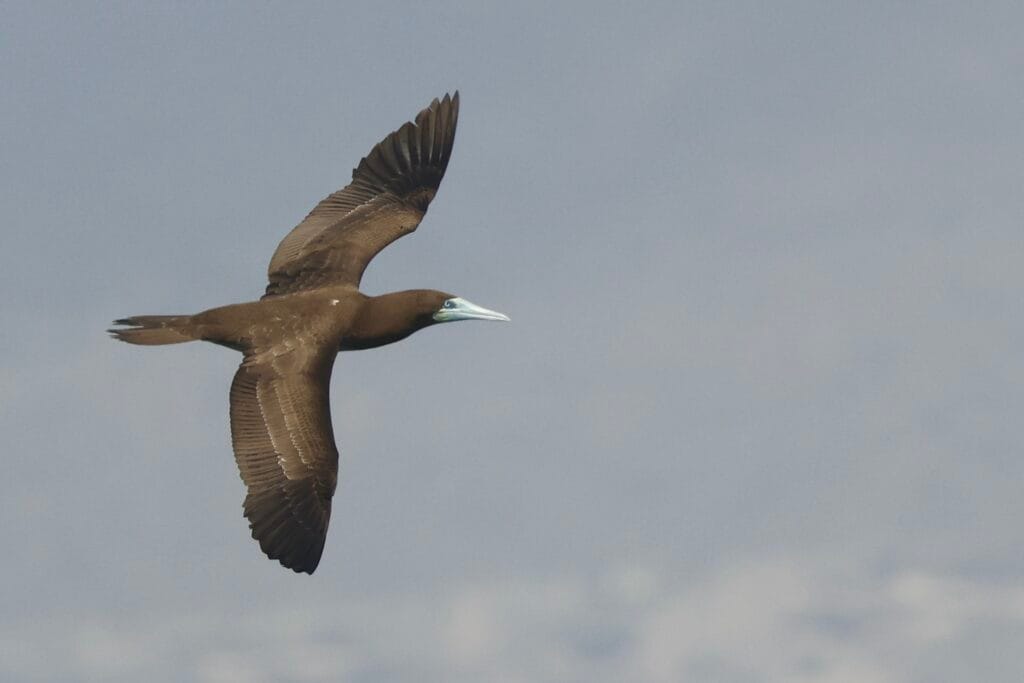
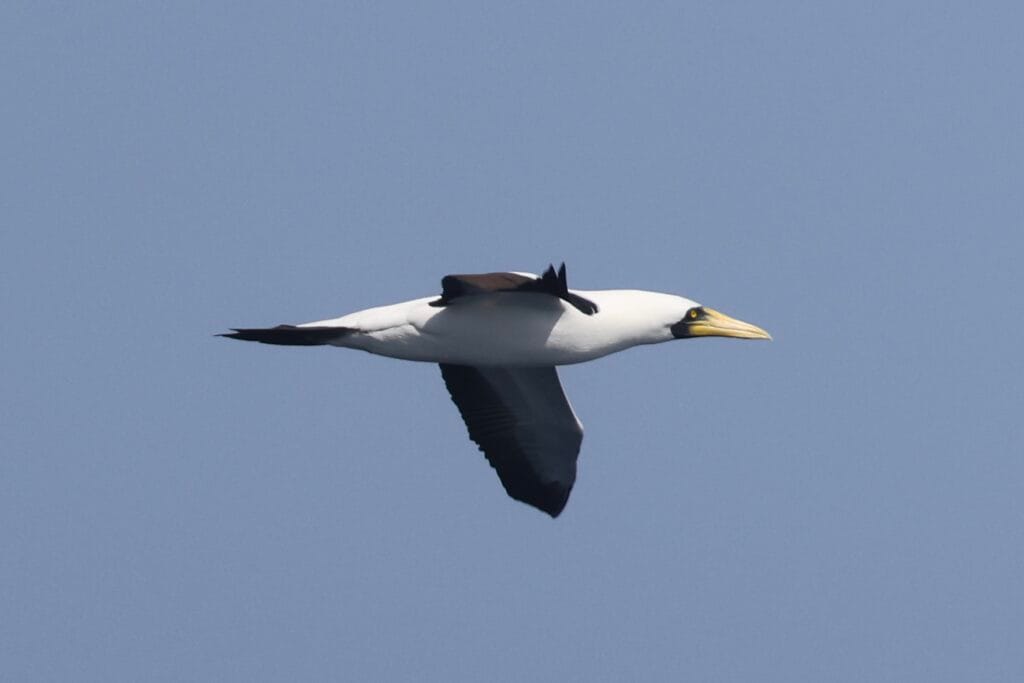
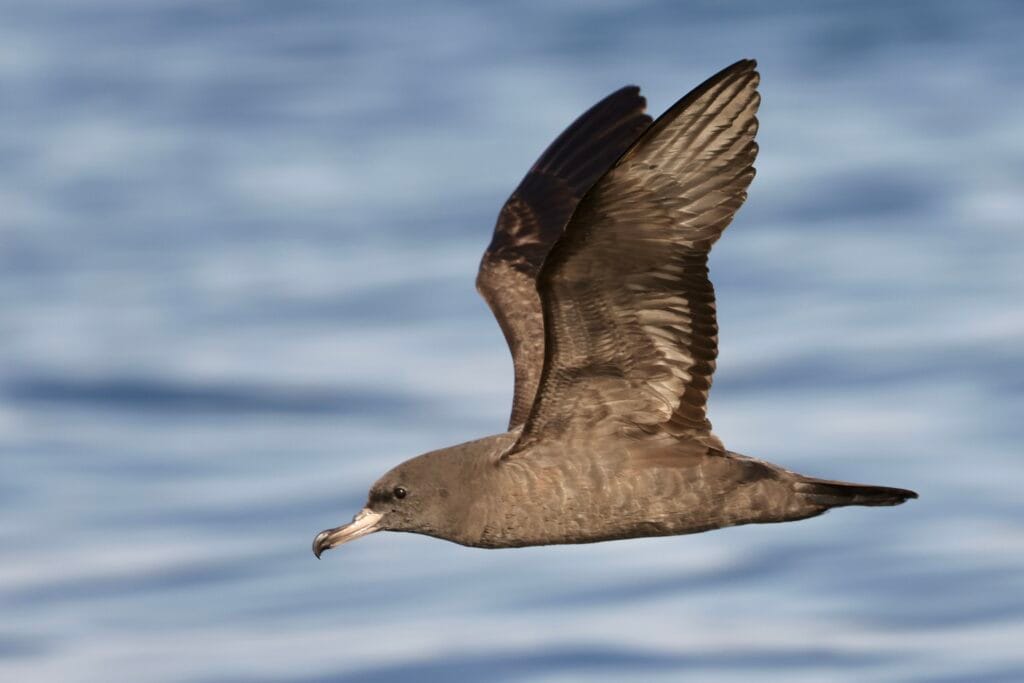
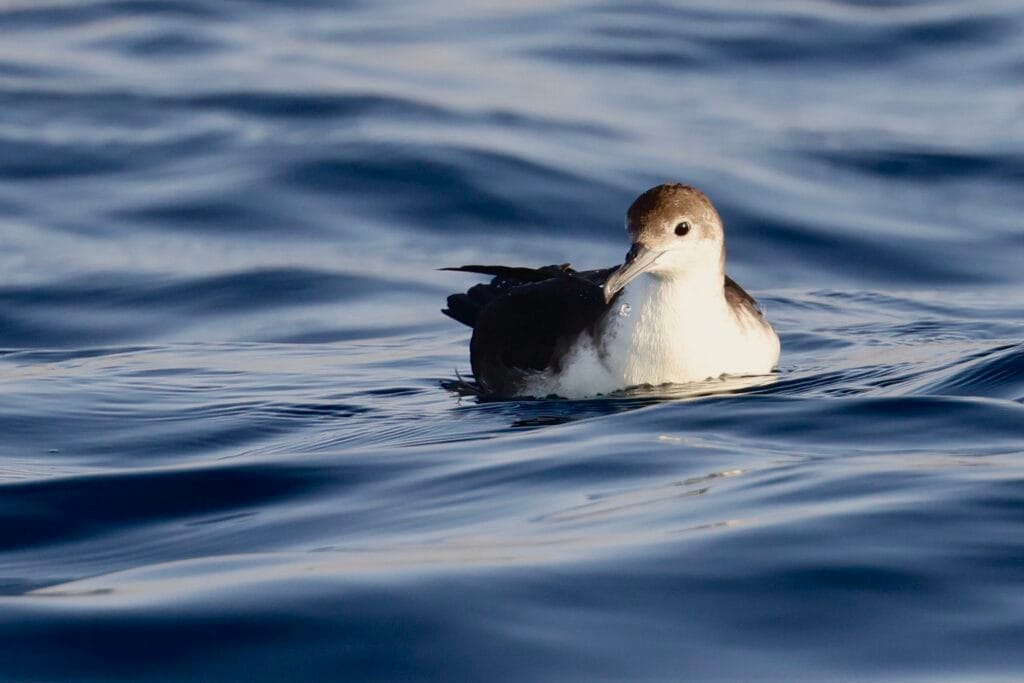
The boatman knew his birds. I got three lifers, Masked Booby, Flesh-footed and Persian Shearwater. On shore I also got the Abdim’s Stork.
Random German Dude
The Pelagic Crew
Abdim's Stork
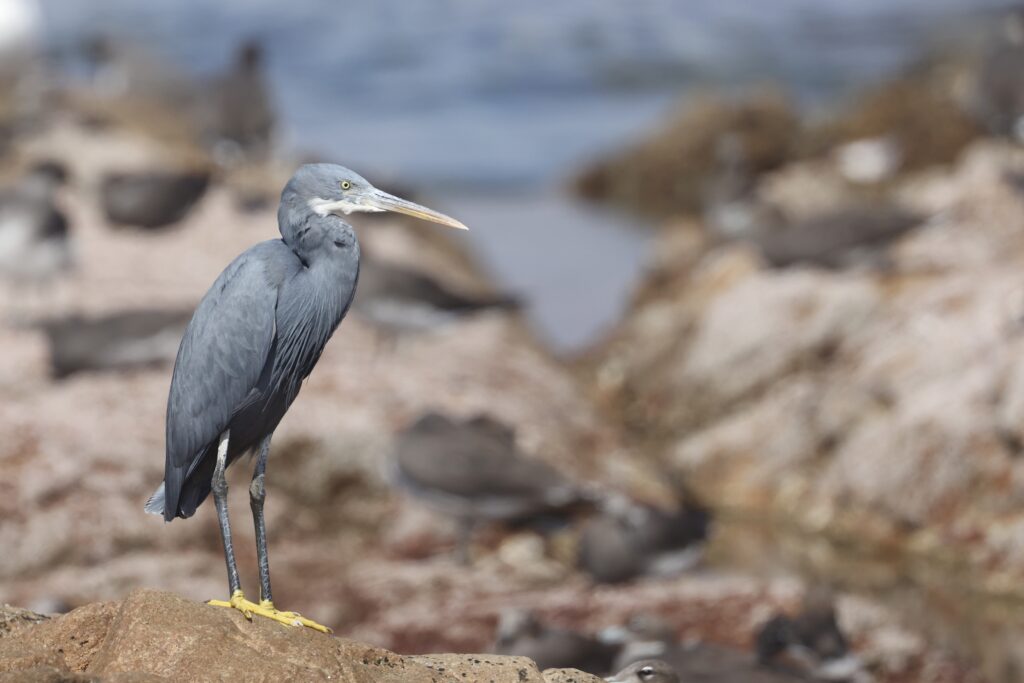
Western Reef Heron
Brown Booby
Masked Booby
Flesh-footed Shearwater
Persian Shearwater
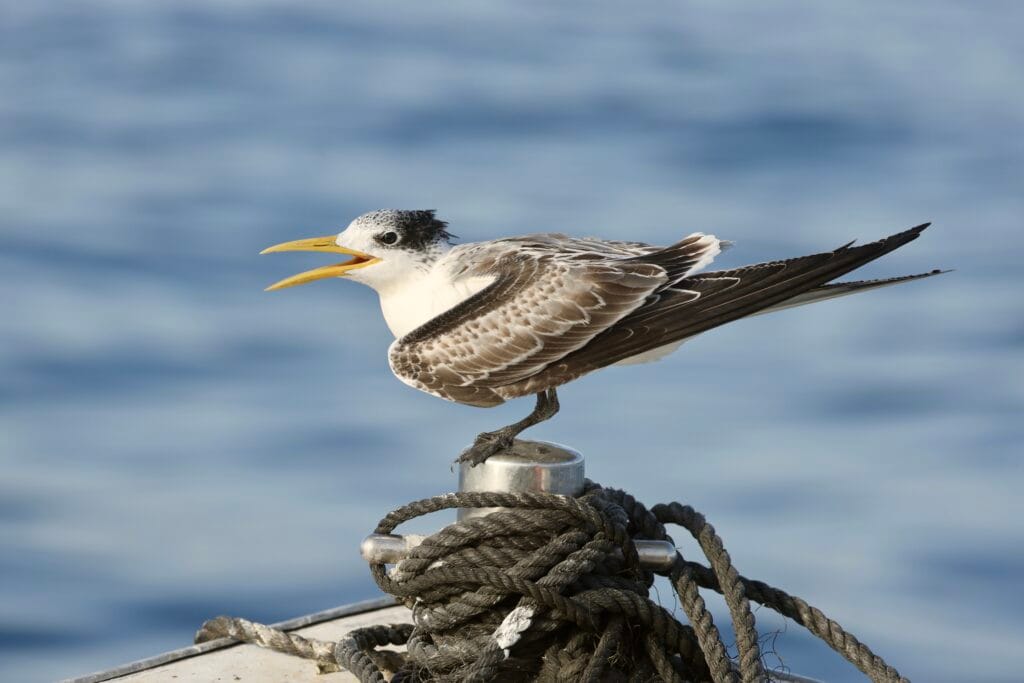
Great Crested Tern
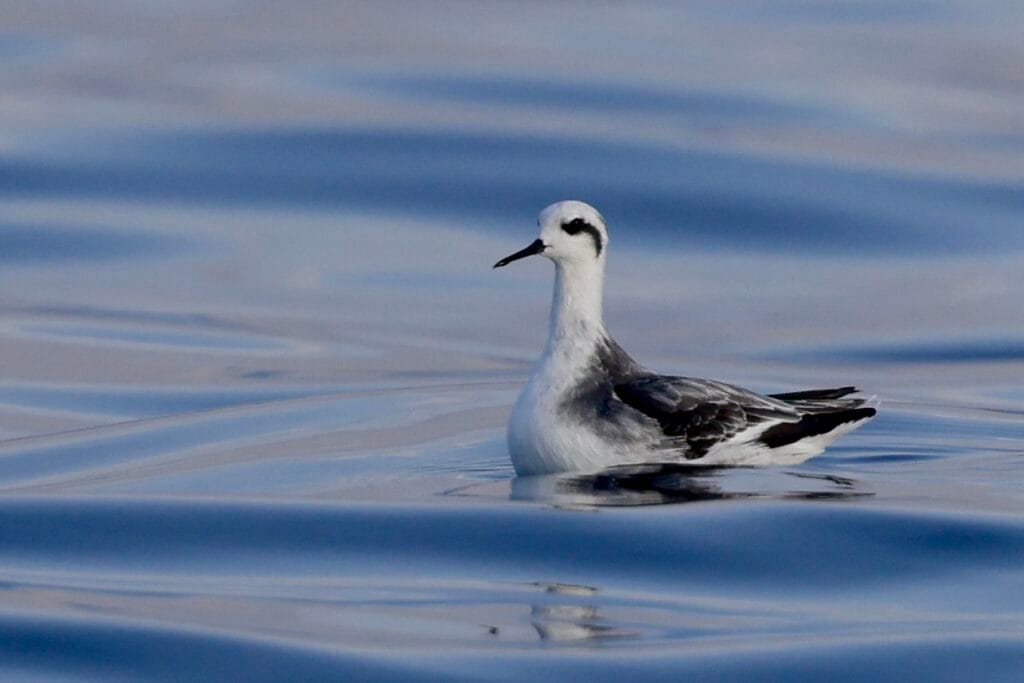
Red-necked Phalarope
Wadi Darbat – I Didn't Do it for the Gram
The next day we went to the most actively birded location in the area, Wadi Darbat. In the fall months the water flows strongly through the wadi and a part of it is well developed for human recreation with crap like paddle swans, paddle boats, dozens of Instagram photo set-ups, children’s play area, petting zoo, restaurants, etc, etc. You get the picture. Not my kind of place. In the winter, the water has mostly stopped flowing. The businesses were 90% closed and the tourists were few and far between.
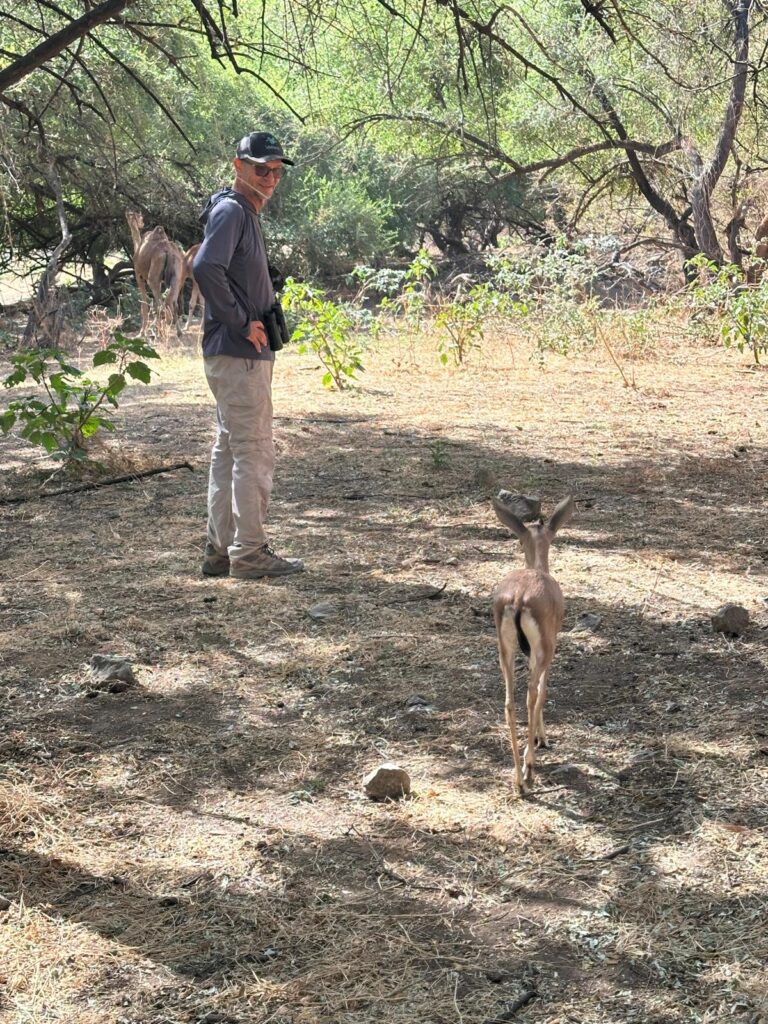
Wadi Darbat - My Deer Friend
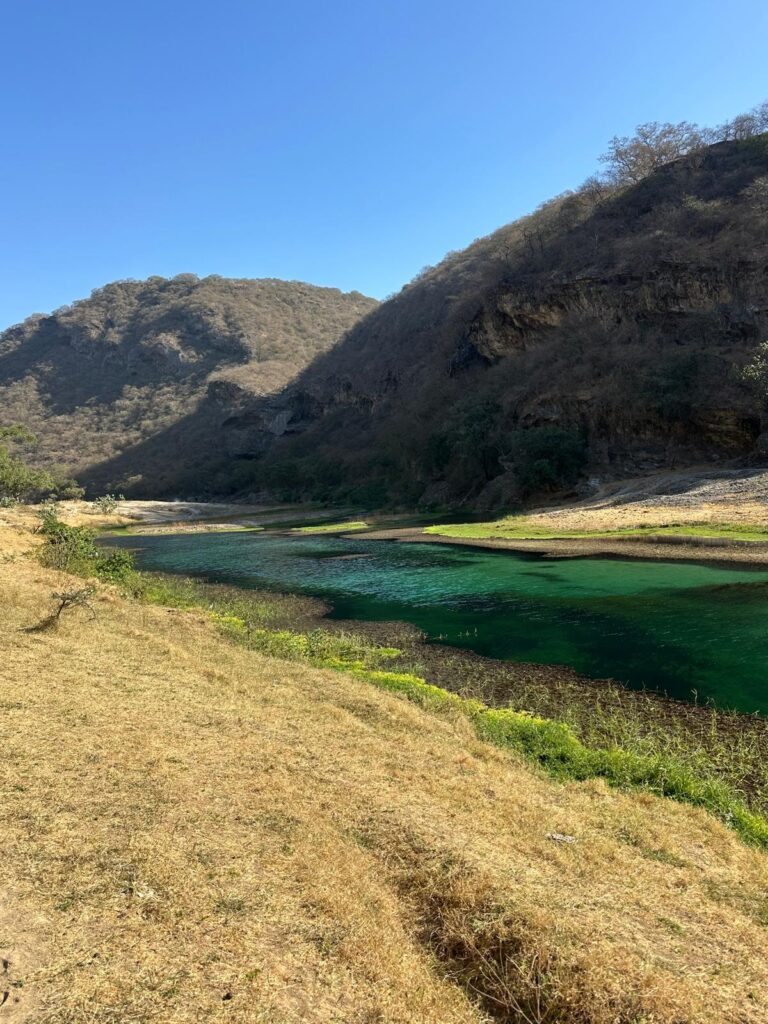
Wadi Darbat - Away from Development
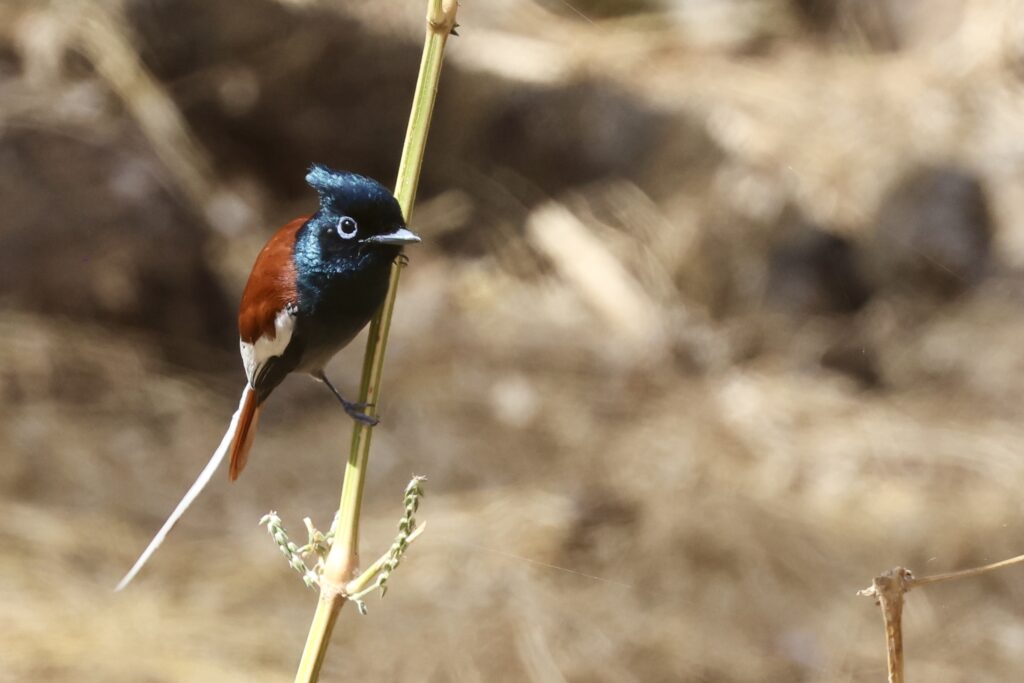
African Paradise-Flycatcher
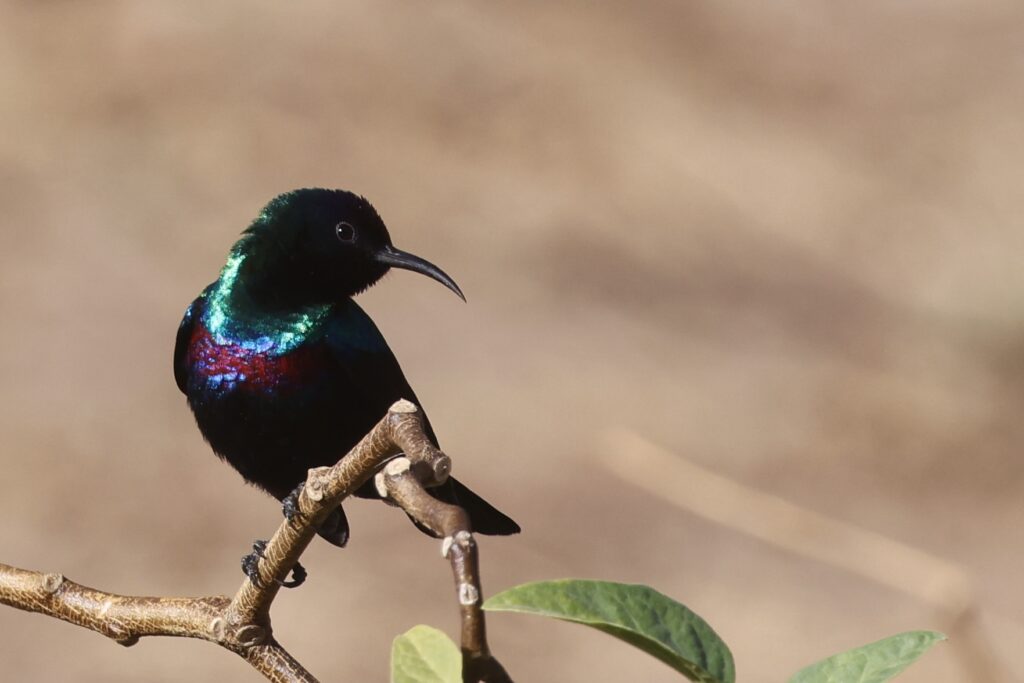
Arabian Sunbird
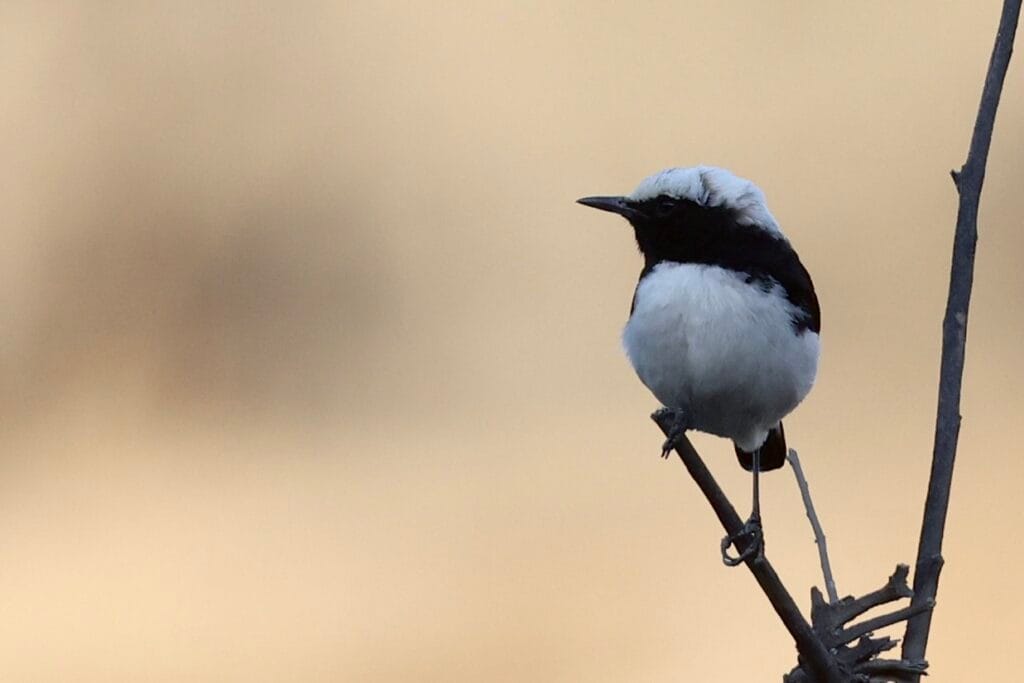
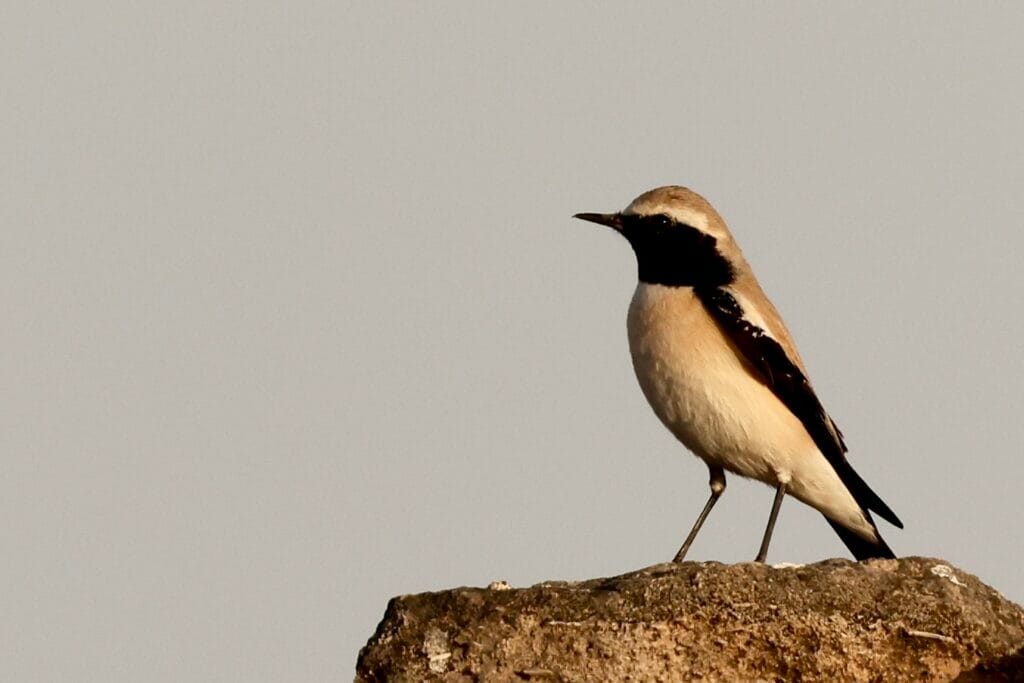
Desert Wheatear
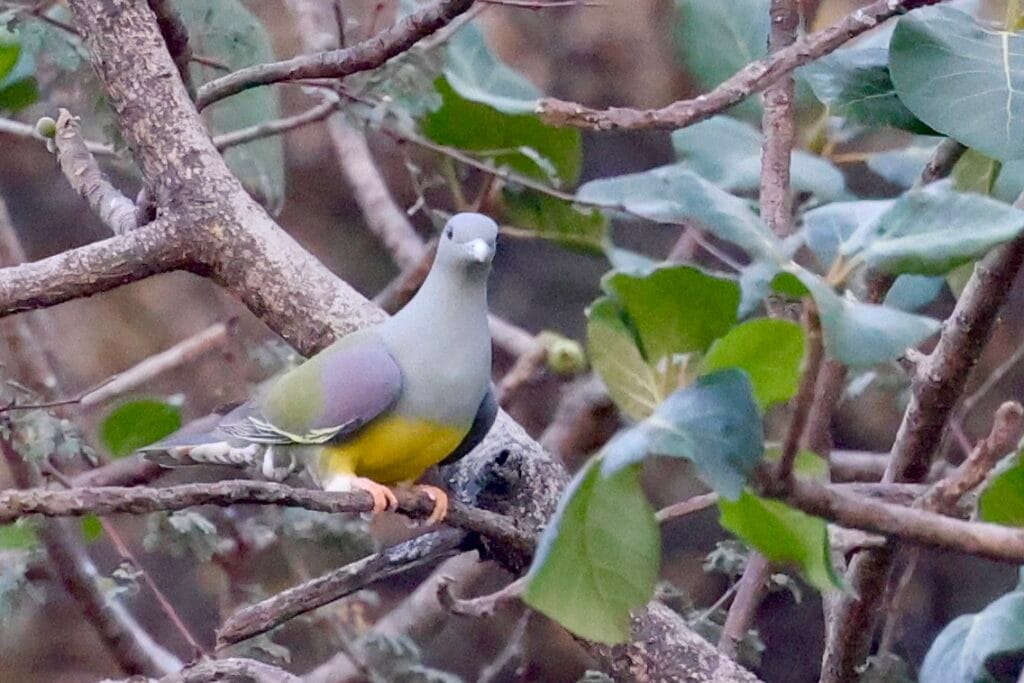
Bruce's Green-Pigeon
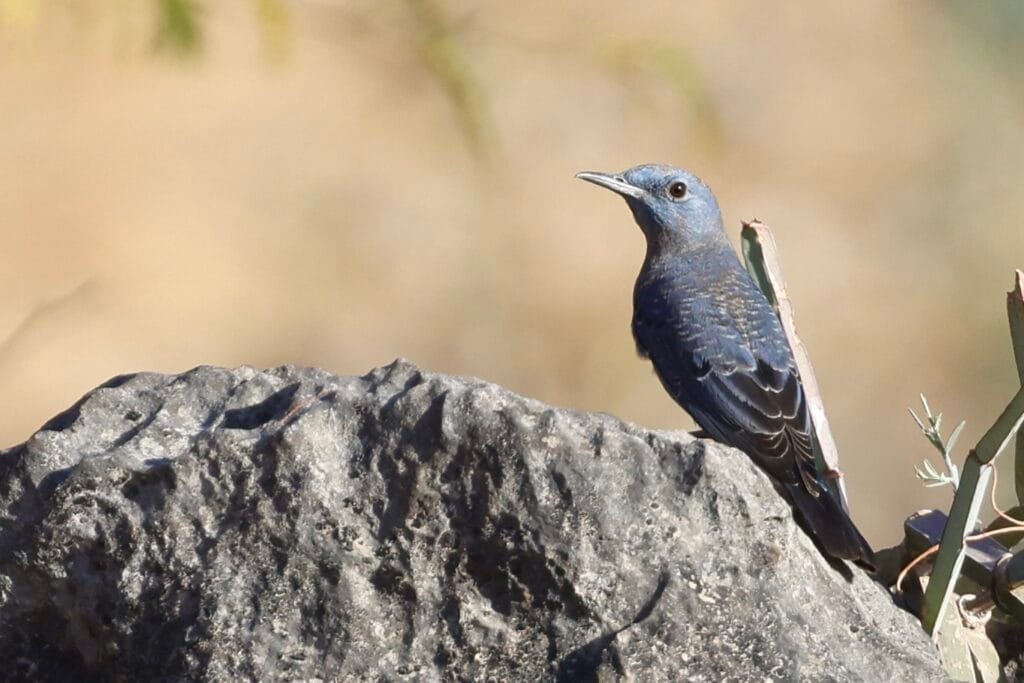
Blue Rock-Thrush
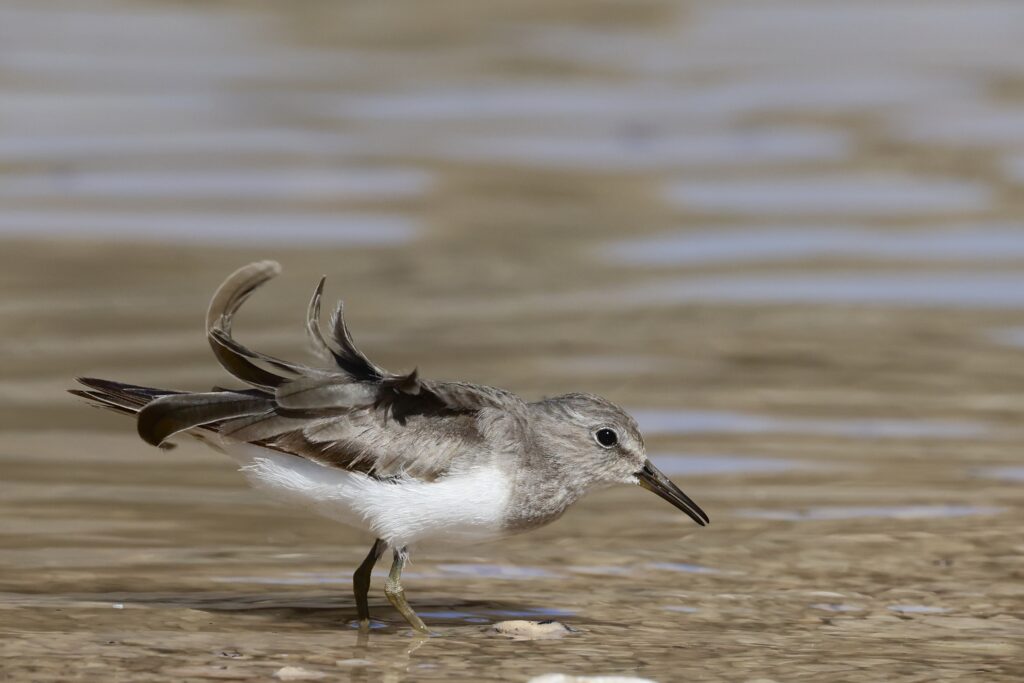
Temmink's Stint
We followed the wadi upstream, well past the developed area. It was absolutely beautiful, remote, rugged and we were alone, except for a little deer that followed us. It was my favorite hike while birding Oman.
We left Salalah, very happy with the area, the Omani people we met and the birds.
An Unplanned Run to Nizwa
We flew back to Muscat and made a last-minute change of plans to go to the inland city of Nizwa, a 2-hour drive from Muscat.
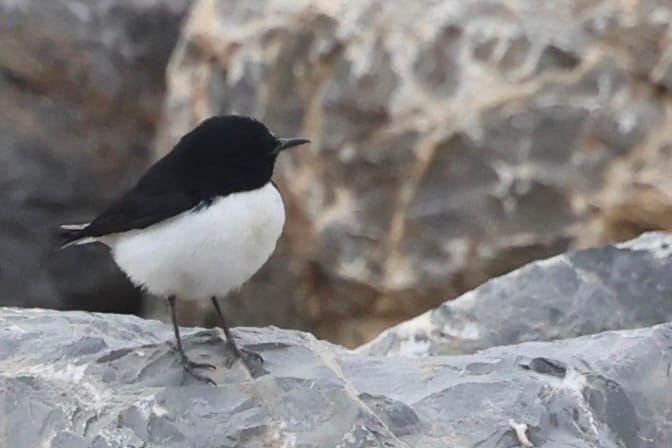
Hume's Wheatear
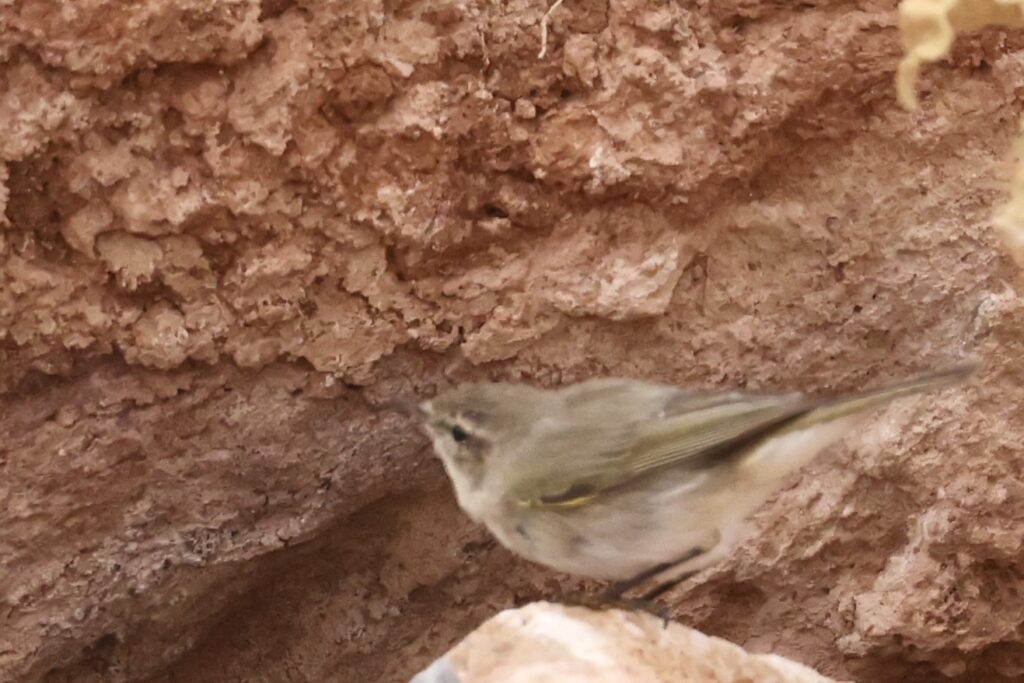
Plain Leaf-Warbler
Nizwa is one of the oldest and most culturally significant towns in Oman. For nearly 200 years it was the capital of Oman (6th and 7th centuries). The town is centered around Fort Nizwa and the Nizwa Souq. We spent hours one afternoon looking through the massive fort and strolling the aisles of the souq indulging on the many flavors of halwa. I also ate my first camel meat in Nizwa. Tastes like beef…sort of.
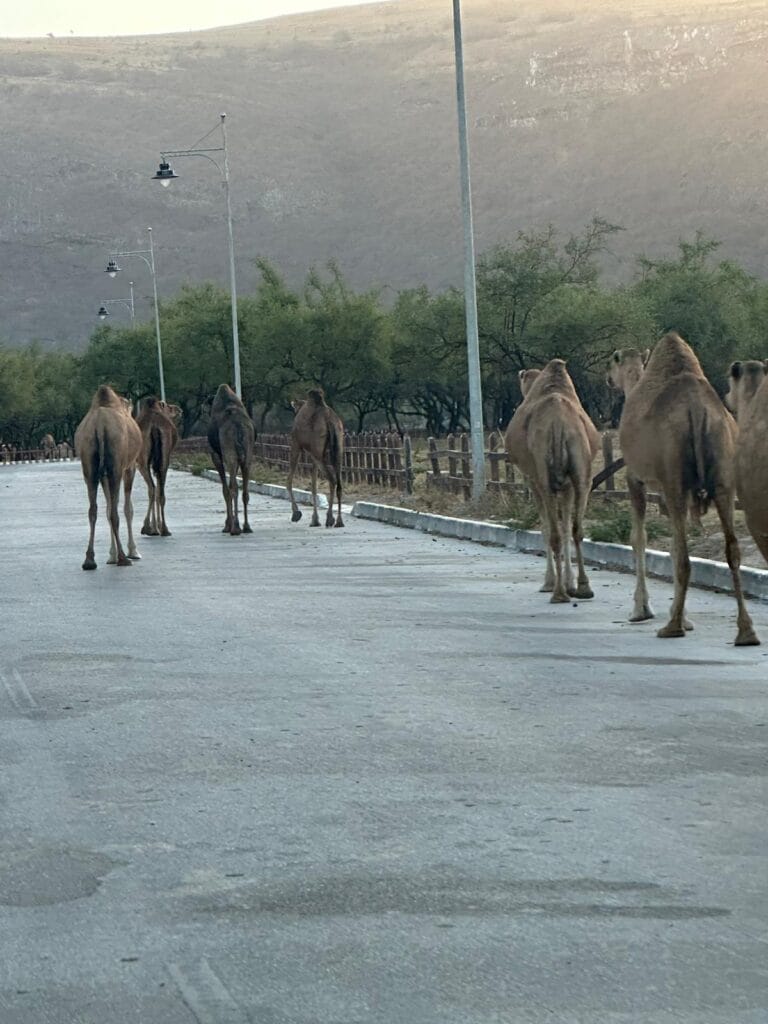
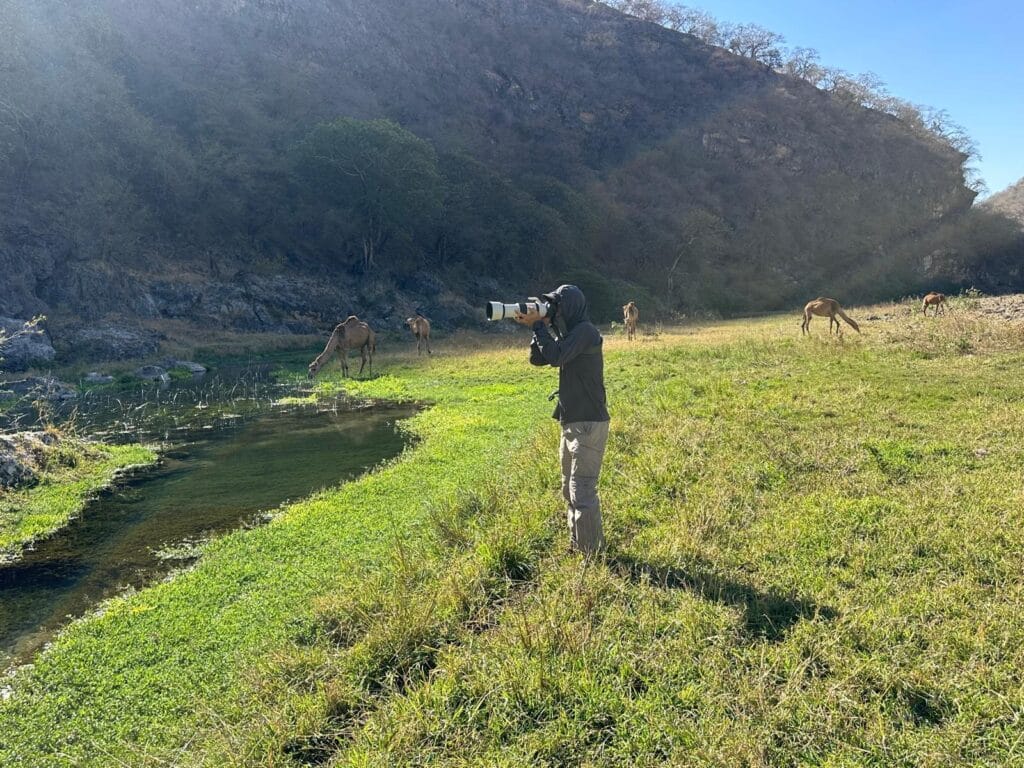
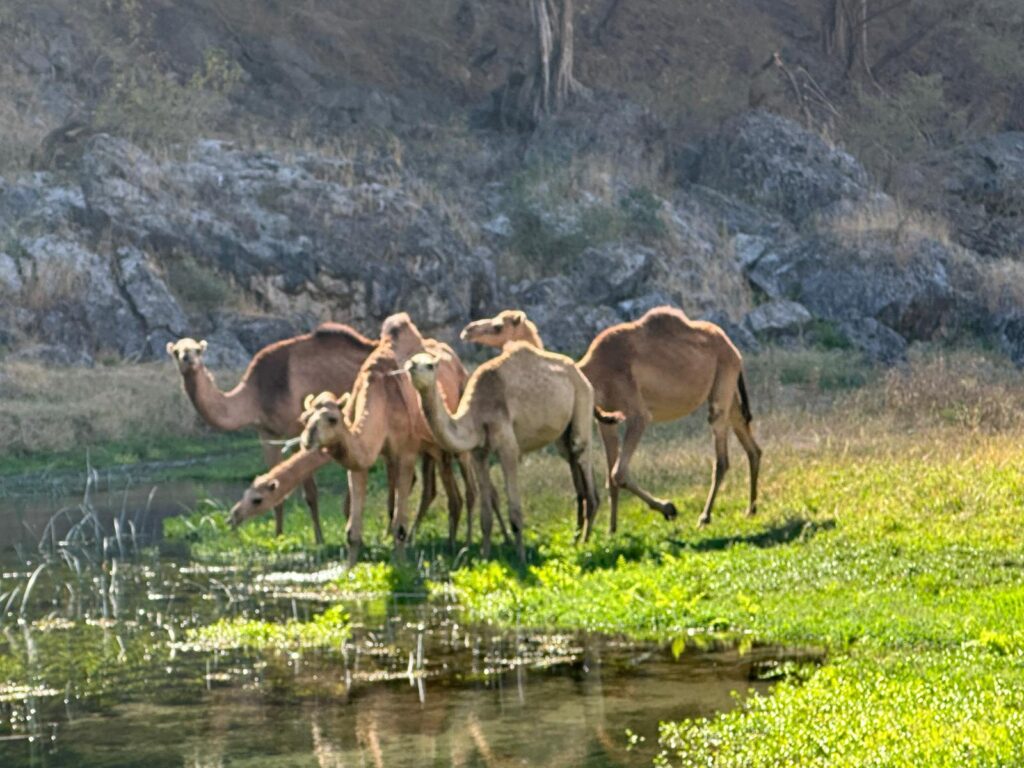
Speaking of camels, they are everywhere all over the country. You might be sitting in a remote area enjoying a view or birding Oman out in the wild. Next thing you know there is a train of camels walking right behind you. Thank goodness they are not aggressive. Bedouin herders are frequently trailing them. You might be driving down the road and there they are, causing congestion. Why so many?, I wondered. Short answer, food and milk.
Around Nizwa, we picked up a handful of new lifers including Hume’s and Persian Wheatear and the unimpressive Plain Leaf-Warbler.
The End of Birding Oman
Back in Muscat our birding Oman was all but over. We drove to Seeb because of a reported nice souq but we were sorely disappointed in that one. We headed to the beach front and walked a city park where we saw lovely scenes of Omani family life.
Families sitting on blankets in the shade, cooking on their portable grill, children playing. We were approached and offered food more than once, which we graciously accepted even though we just came from a restaurant. I became photographer for a young man who was very proud of his car and wanted some quality shots with my camera. One family asked us to sit with them and we drank tea together. The wife spoke good English and we chatted with her, her sister and her husband for over an hour. They were Yeminis who left because of the problems in their country. Mirka exchanged contacts with her and to this day maintains a contact. It was a nice ending to almost two weeks of birding Oman.
Off to the United Arab Emirates
A short flight and we were in the United Arab Emirates, Dubai specifically. UAE is country made up of 7 mostly autonomous Emirates. Dubai being one, Abu Dhabi, Ajman, Ras al Khaimah, Sharjah, Umm al Quwain, and Fujairah being the others.
We stayed in Dubai, but never again. Dubai has outgrown its infrastructure. Traffic is organized (unlike India) but extremely crowded. Dubai has lost any Arabian charm that it ever had.
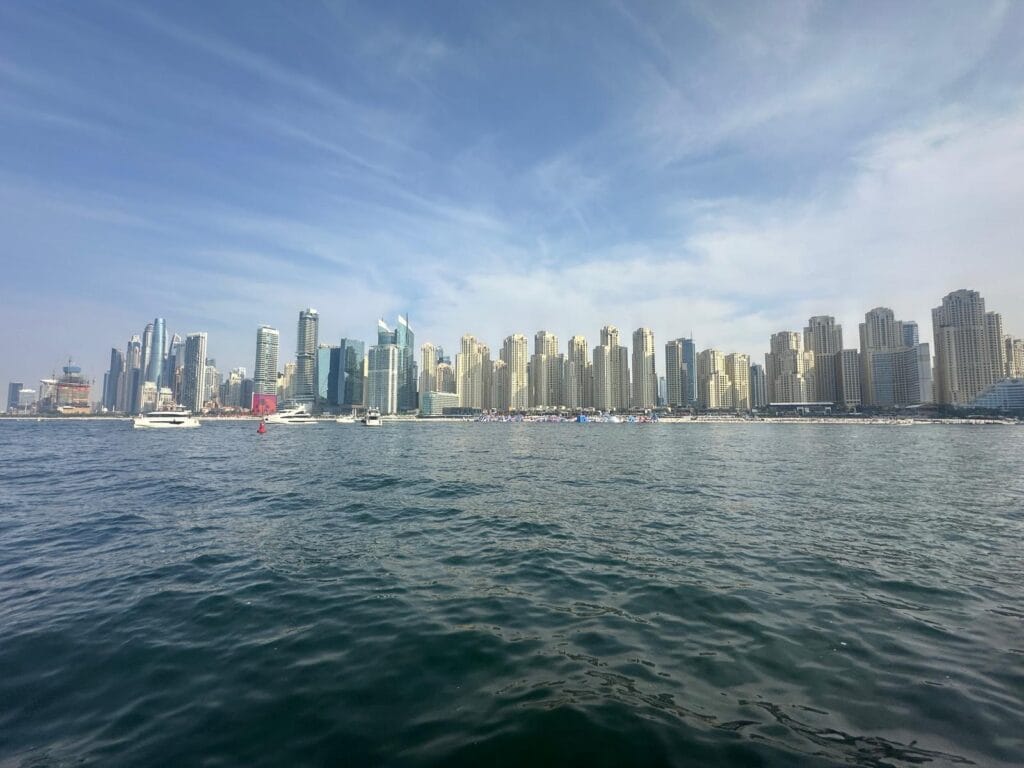
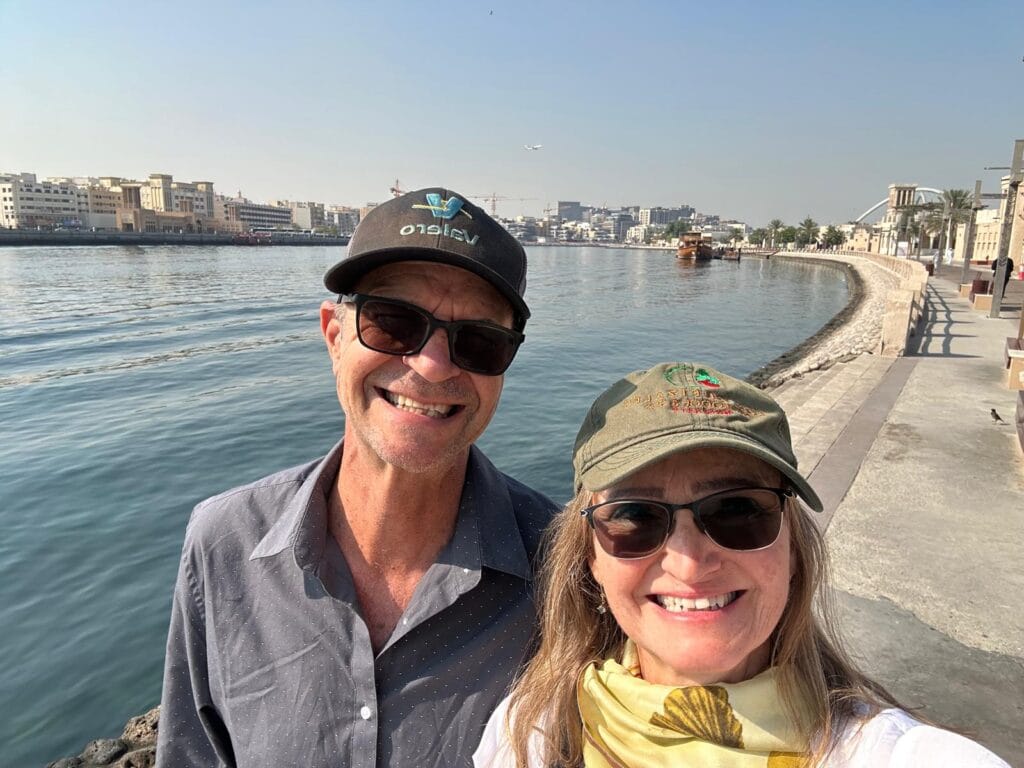
Dubai Skyline
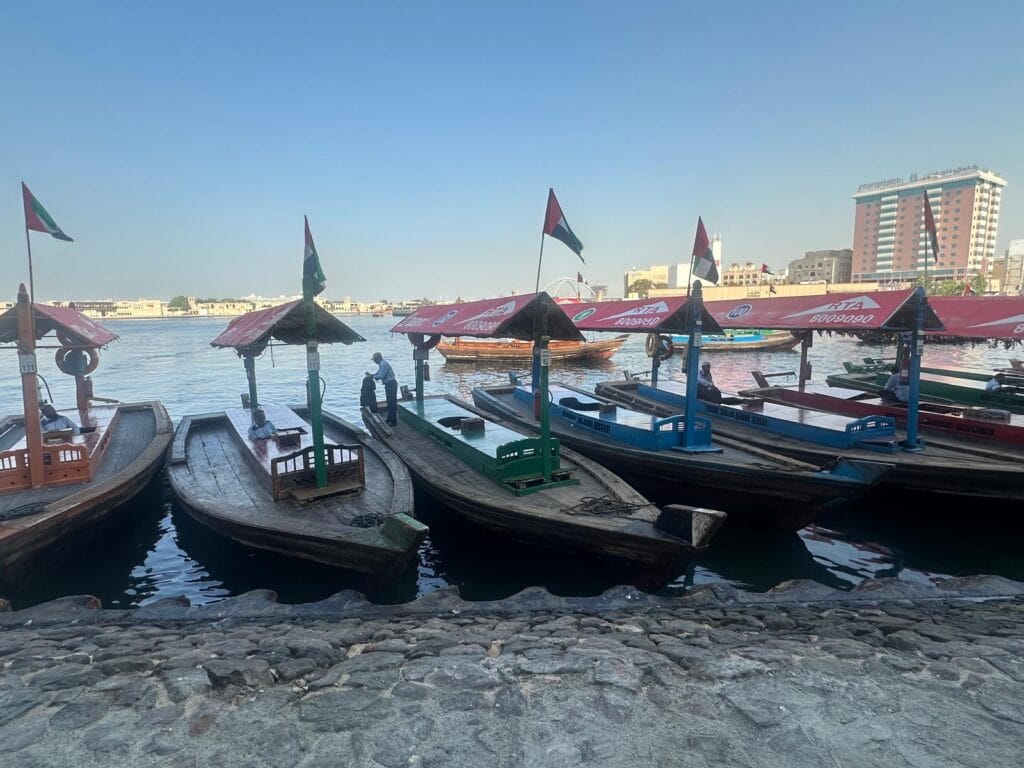
Local Boats
Dubai Old City Area
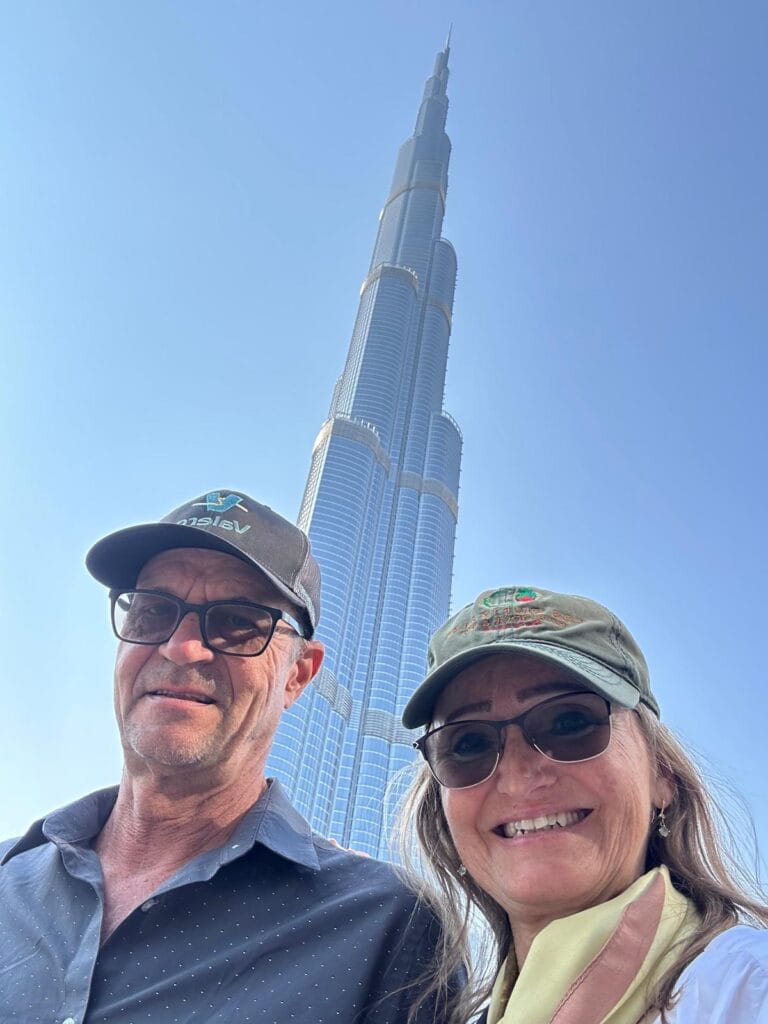
World's Tallest, for now
While we were there for a week, we spent most of our time getting out of Dubai. We hit many of the top birding spots and eventually recorded birds in 6 of the 7 emirates, only Fujairah was missed.
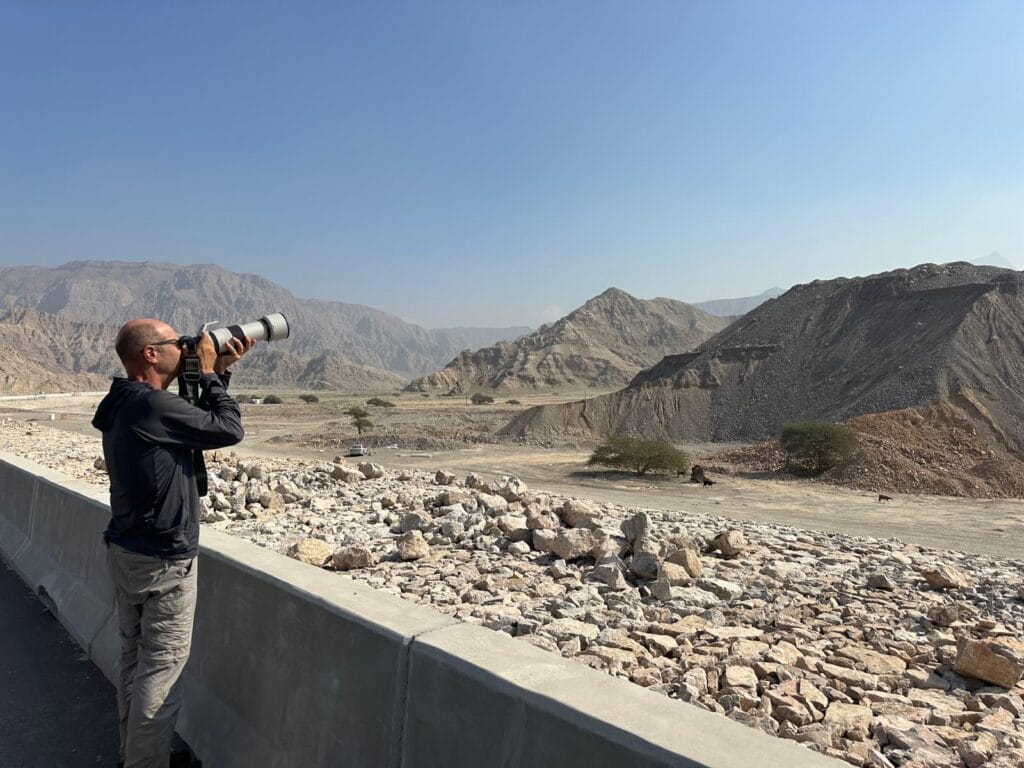
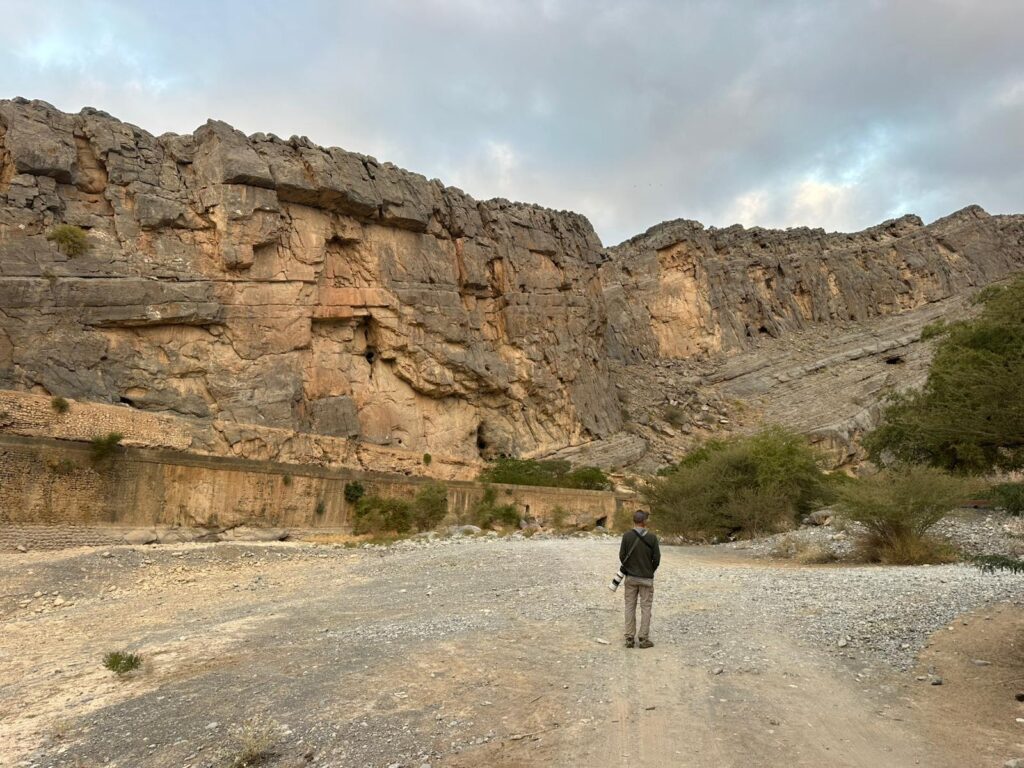
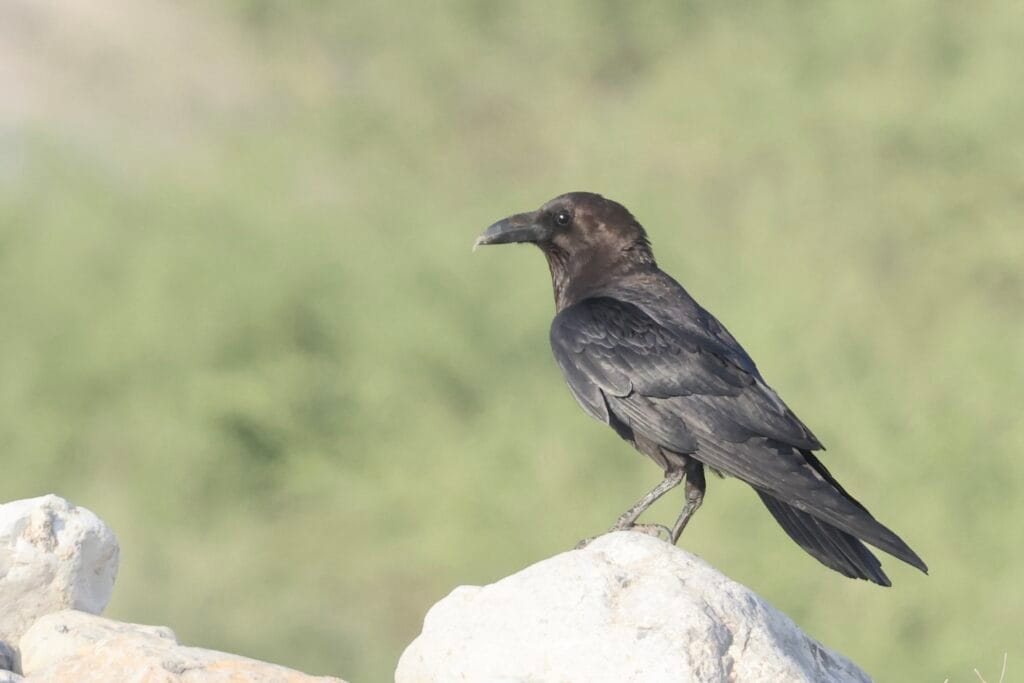
Personally, I preferred Ras Al Khaimah for overall birding. The rugged mountains yielded Desert Lark and finally good photos of Brown-necked Raven. They also have the fasted and longest zip line in the world, but it was closed due to damage on the access road from recent floods. I was really going to do it.
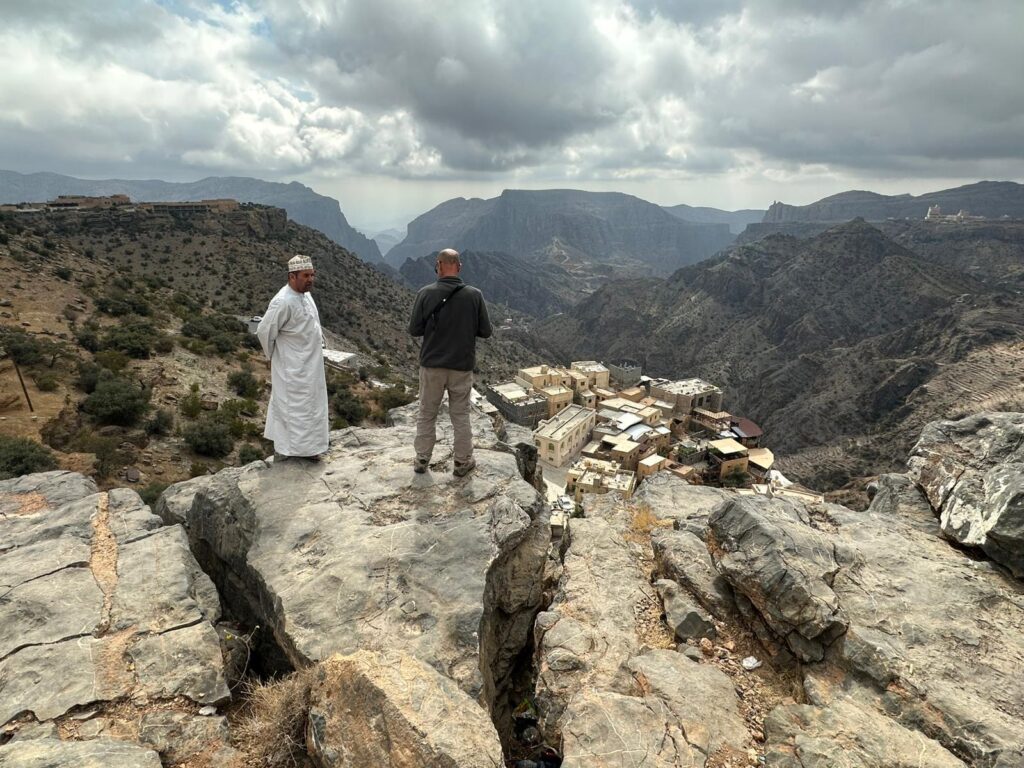
Jebel Jais, Ras al Khaimah
Jebel Yanas, Ras al Khaimah
Jebel Yanas
Desert Lark
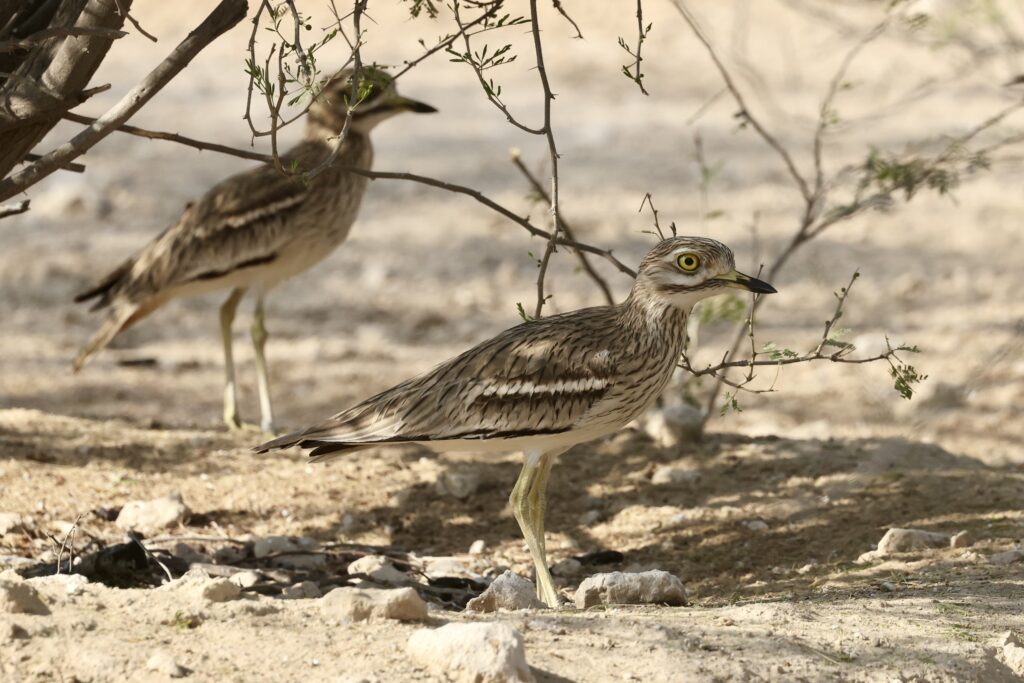
Eurasian Thick-knee
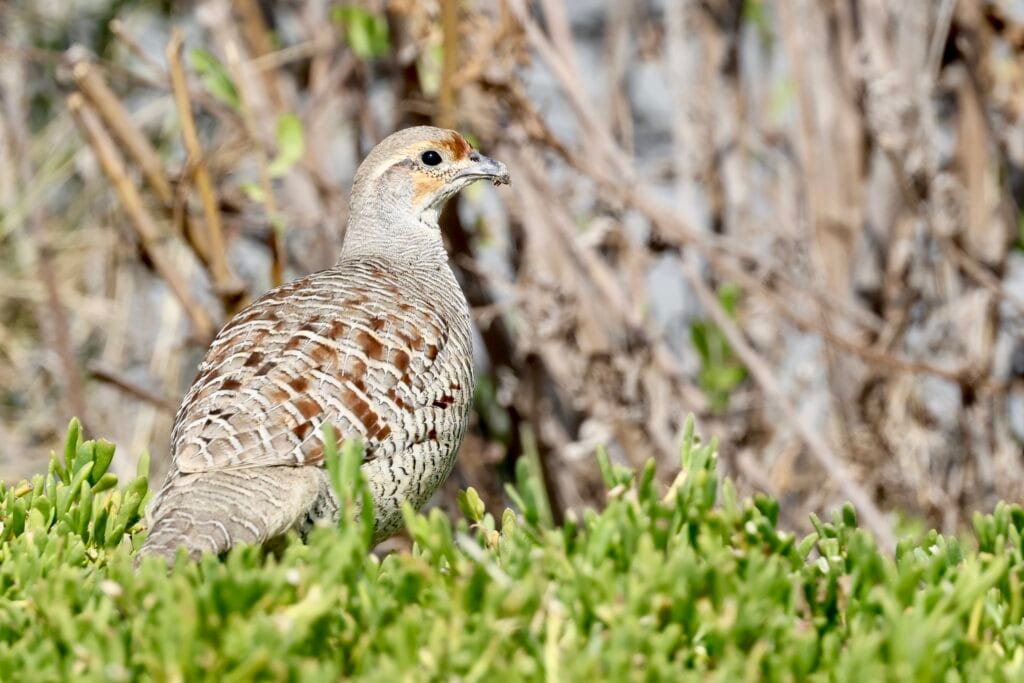
Gray Francolin
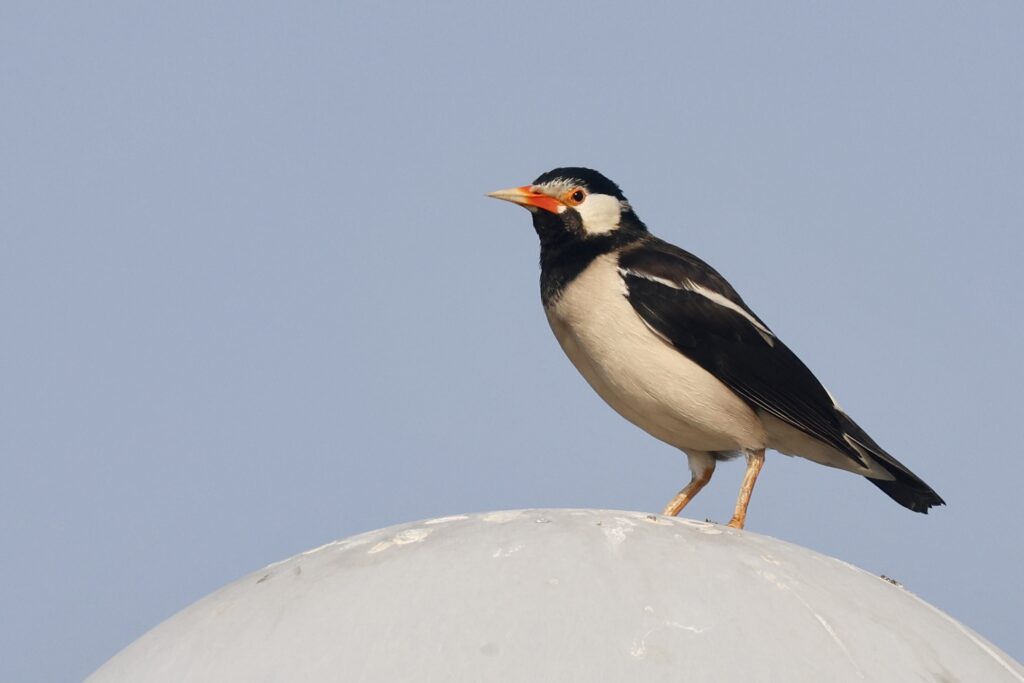
Indian Pied Starling
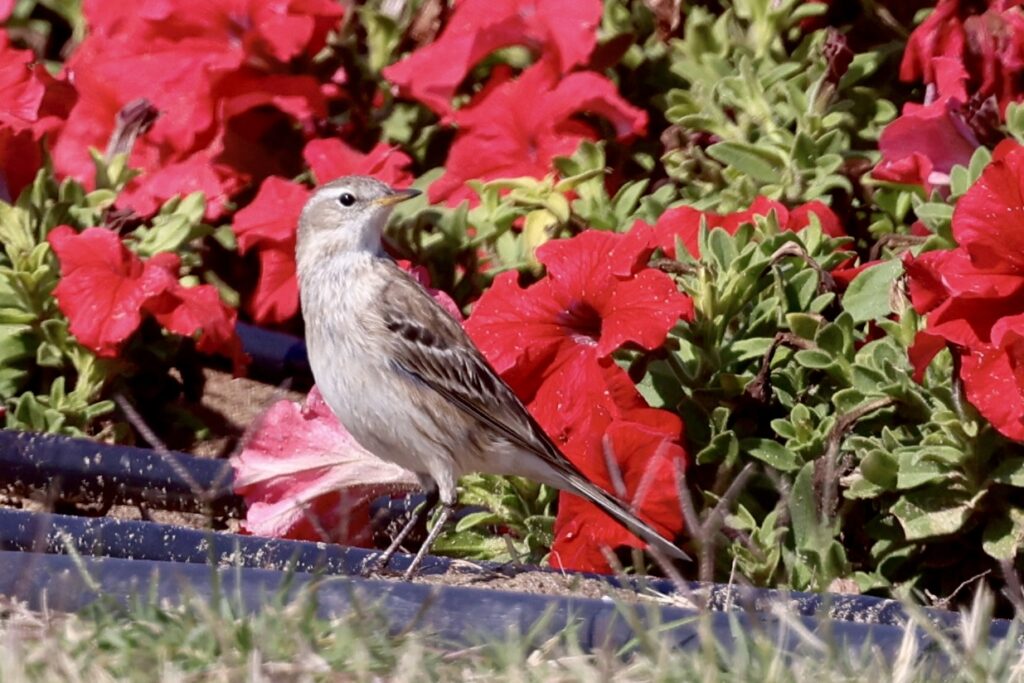
Water Pipit
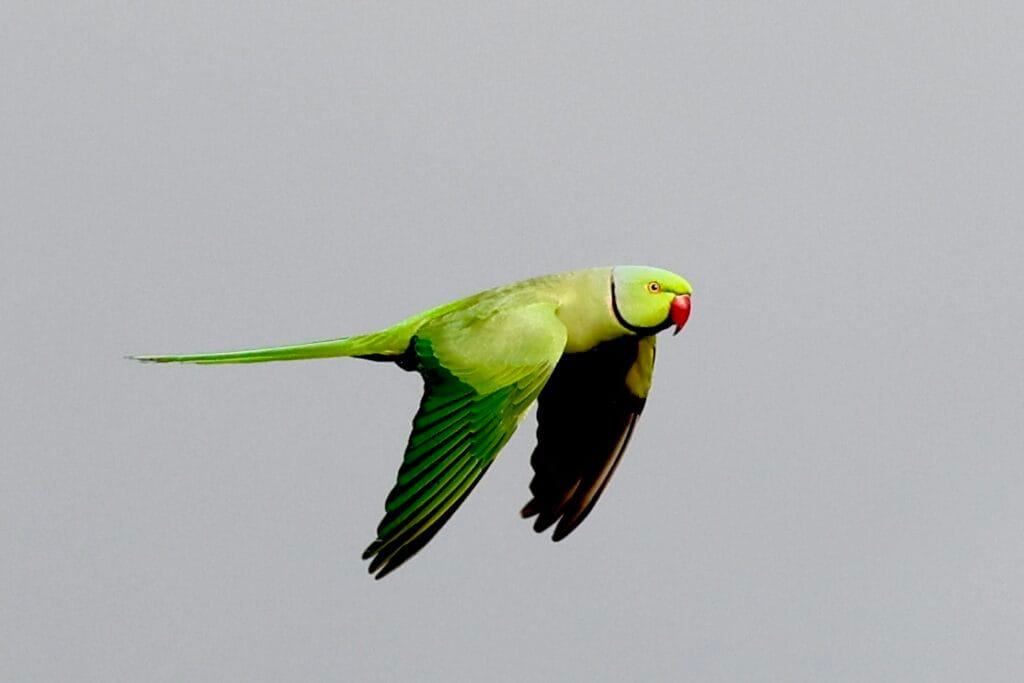
Rose-ringed Parakeet
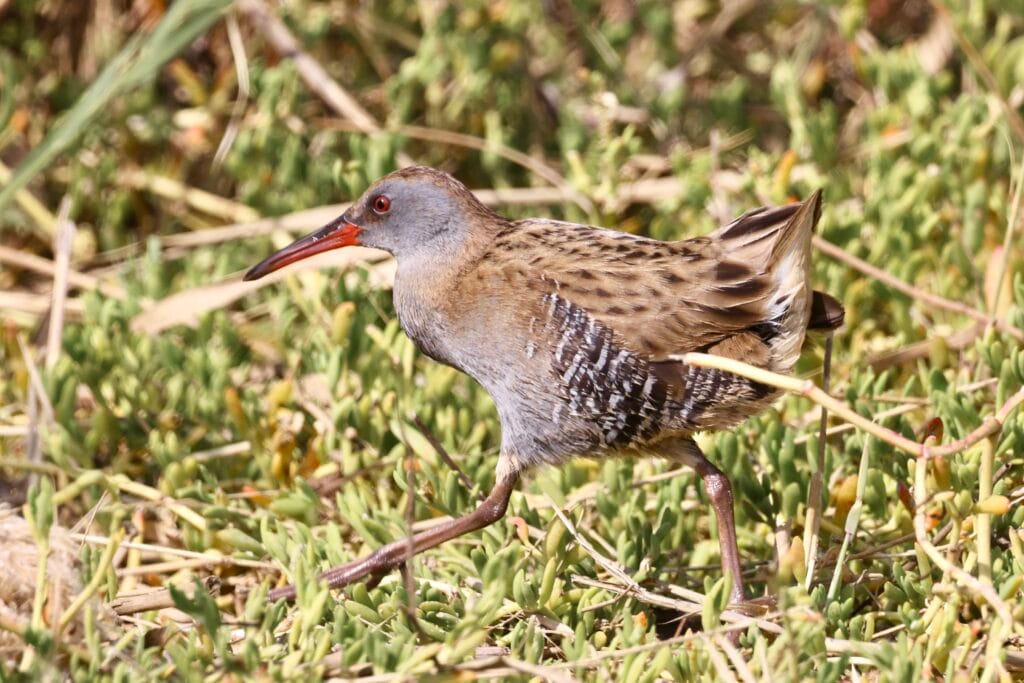
Water Rail
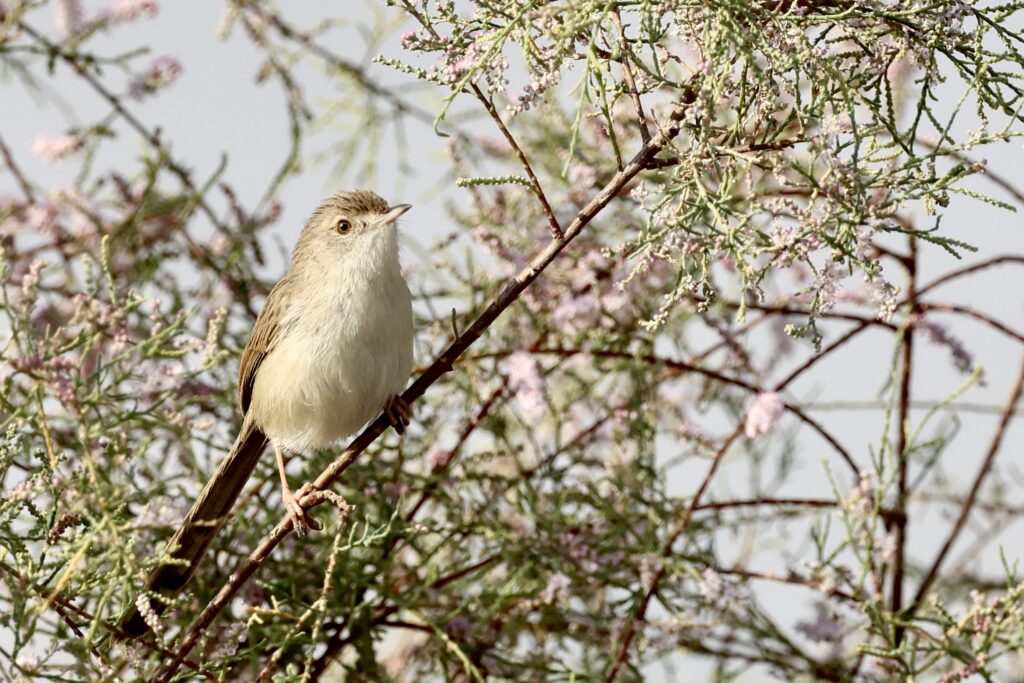
Delicate Prinia
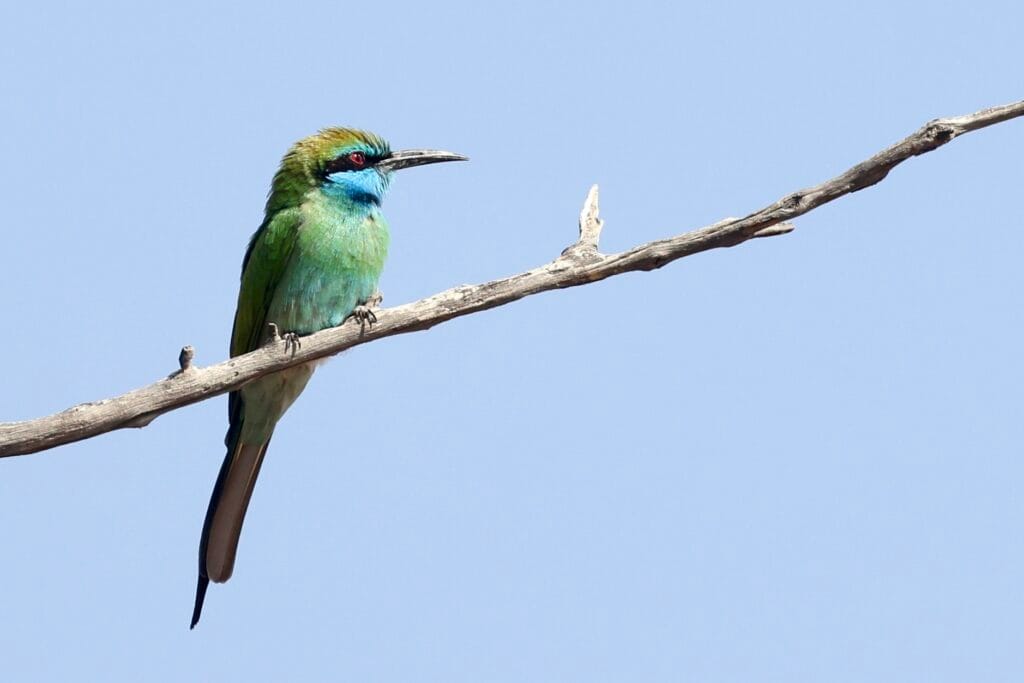
Arabian Green Bee-eater
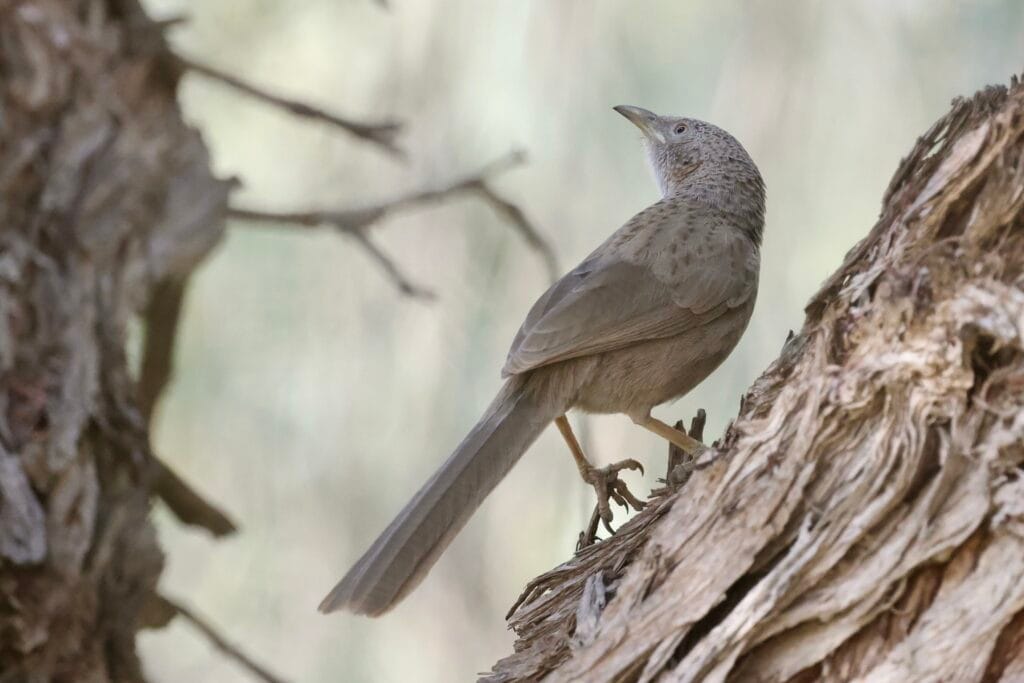
Arabian Babbler
Brown-necked Raven
Final Day Redemption
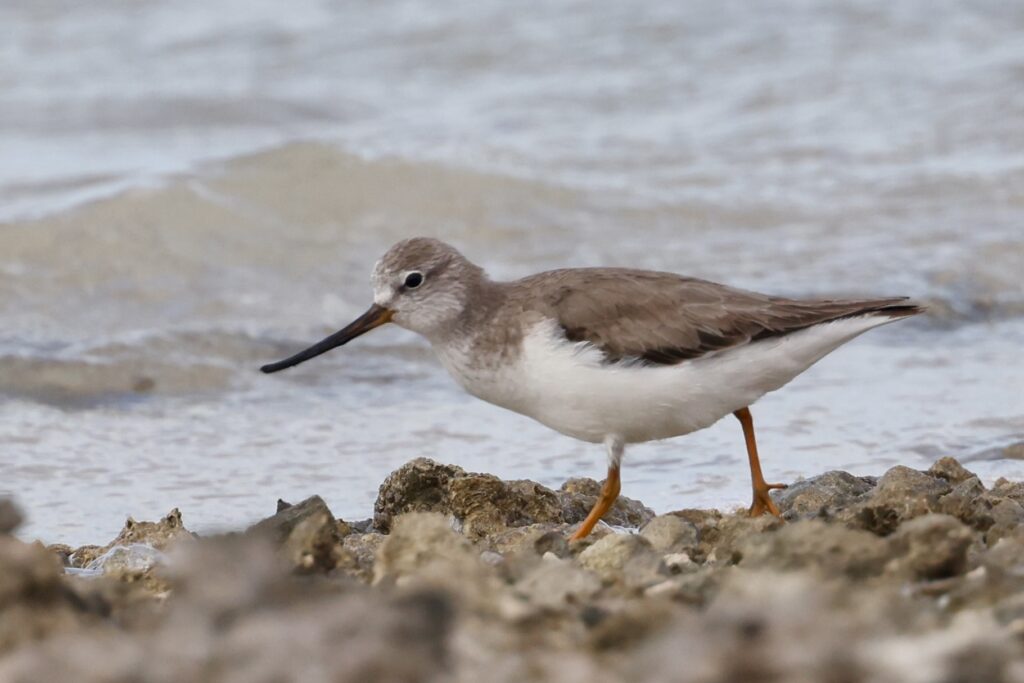
On our last afternoon of birding, our flight would leave at 2am the next morning, I was tracking my nemesis bird of the whole India trip, the Terek Sandpiper, which had been reported the day before in Umm Al Quwain along with Crab Plover, an almost mythical bird to me, that is in a family all to itself. We went to the location. The wind was awful and blowing in the direction of the coast making me feel that it was going to be hopeless for any kind of shorebirds.
We went along the beach in the car all the way to where we would have to turn around and go back. It was at this point that I finally saw the unique bill of the Terek Sandpiper. The Crab Plover would have to wait until another day, but for now, I was very happy.
Terek Sandpiper
8 thoughts on “Birding Oman and UAE – I Wouldn’t Do It Now!”
Emma
Great post Joel! Oman just moved up a few spots on my list 🙂 (I‘m just gonna pretend I didn’t read the part about Germans not having a great sense of humor)
Thanks for another great report. Captain Tam Syme, Scot aviator in Panama, spent several years in Oman training young Omanis how to fly jet war planes. Tam and his wife lived like royalty, knew the emirate at the top, and had nothing but great things to say about Oman. So you and Mirka confirmed the same thing.
The big surprise, besides the birds, were the springs. Phyllis and I also saw a huge community living off date palms in an oasis (singular) in Tunesia.
I sense that many of your birds blend in with the arid or semi-arid colors–camouflaged.
Did you find their famed frankincense? They have been world producers since ancient times.
Hi Clyde, Frankincense does play a big role in Omani culture. We even went to a frankincense museum to better understand. Frankincense is derived from the sap of a few species of trees within the same genus. The two species most favored for quality happen to be more common in Oman. Chunks of the sap are sold in the souqs everywhere. I bought some and chewed on it like a local. I can say it is probably an acquired taste. On our hikes we found many wild trees that had been scarified to extract the sap. We will arrive in Panama the first week of September this year. A little later than normal related to my 65th birthday plans.

Great post Joel! Oman just moved up a few spots on my list 🙂 (I‘m just gonna pretend I didn’t read the part about Germans not having a great sense of humor)
Haha, I was literally thinking about you when I wrote that. But I know you have a great sense of humor, so I said, what the hell, I will do it!
You’re making me want to go to Oman! I love the African paradise bird and the bee eater!!
Thanks for another great report. Captain Tam Syme, Scot aviator in Panama, spent several years in Oman training young Omanis how to fly jet war planes. Tam and his wife lived like royalty, knew the emirate at the top, and had nothing but great things to say about Oman. So you and Mirka confirmed the same thing.
The big surprise, besides the birds, were the springs. Phyllis and I also saw a huge community living off date palms in an oasis (singular) in Tunesia.
I sense that many of your birds blend in with the arid or semi-arid colors–camouflaged.
Did you find their famed frankincense? They have been world producers since ancient times.
Hope to see you in Panama.
Hi Clyde, Frankincense does play a big role in Omani culture. We even went to a frankincense museum to better understand. Frankincense is derived from the sap of a few species of trees within the same genus. The two species most favored for quality happen to be more common in Oman. Chunks of the sap are sold in the souqs everywhere. I bought some and chewed on it like a local. I can say it is probably an acquired taste. On our hikes we found many wild trees that had been scarified to extract the sap. We will arrive in Panama the first week of September this year. A little later than normal related to my 65th birthday plans.
Michael Bachoo.
Just awesome Bro.
Superb ❤️😍
Terek Sandpiper! Yes! I was hoping on your behalf.